Not Alone
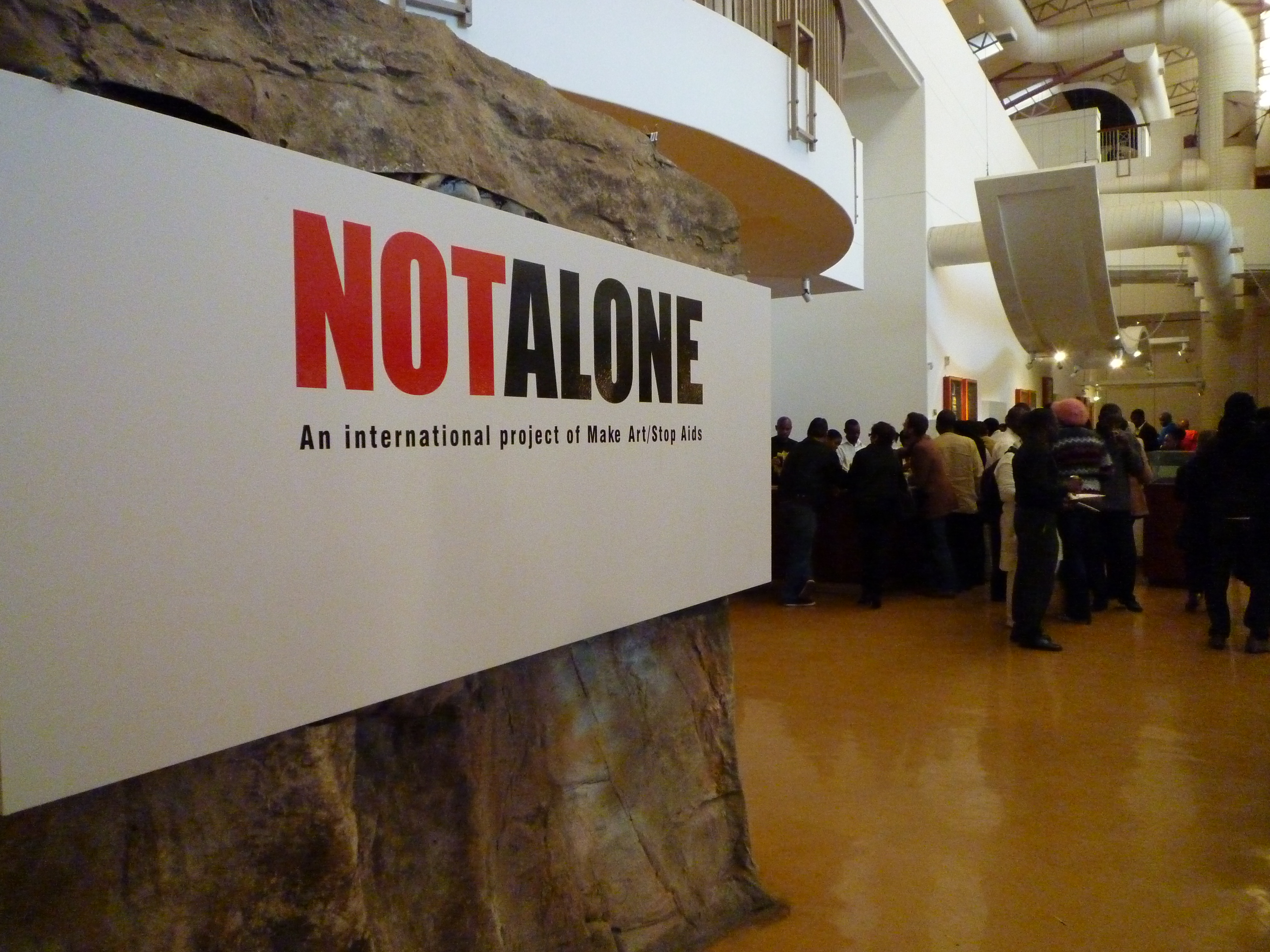
An International Project of MAKE ART/STOP AIDS
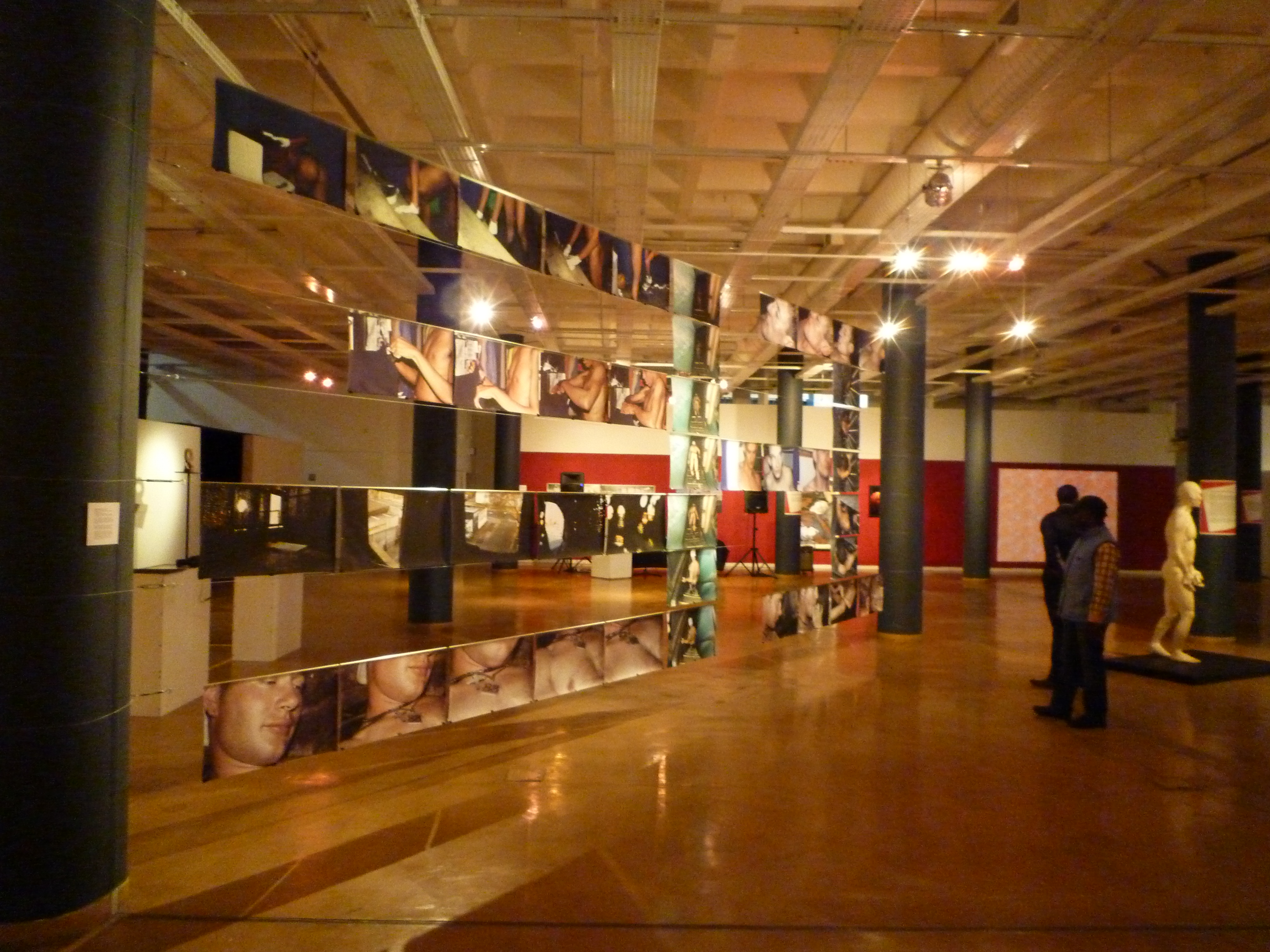
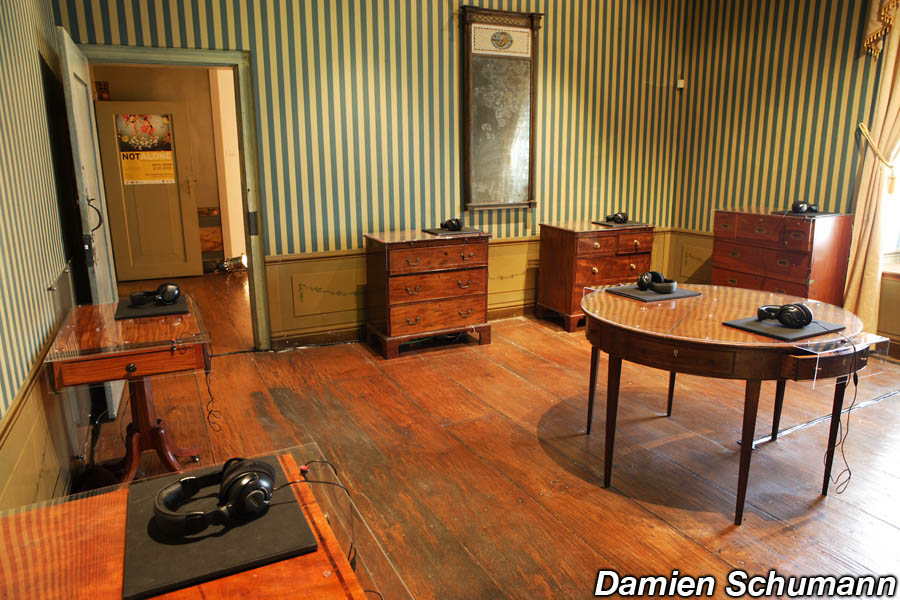
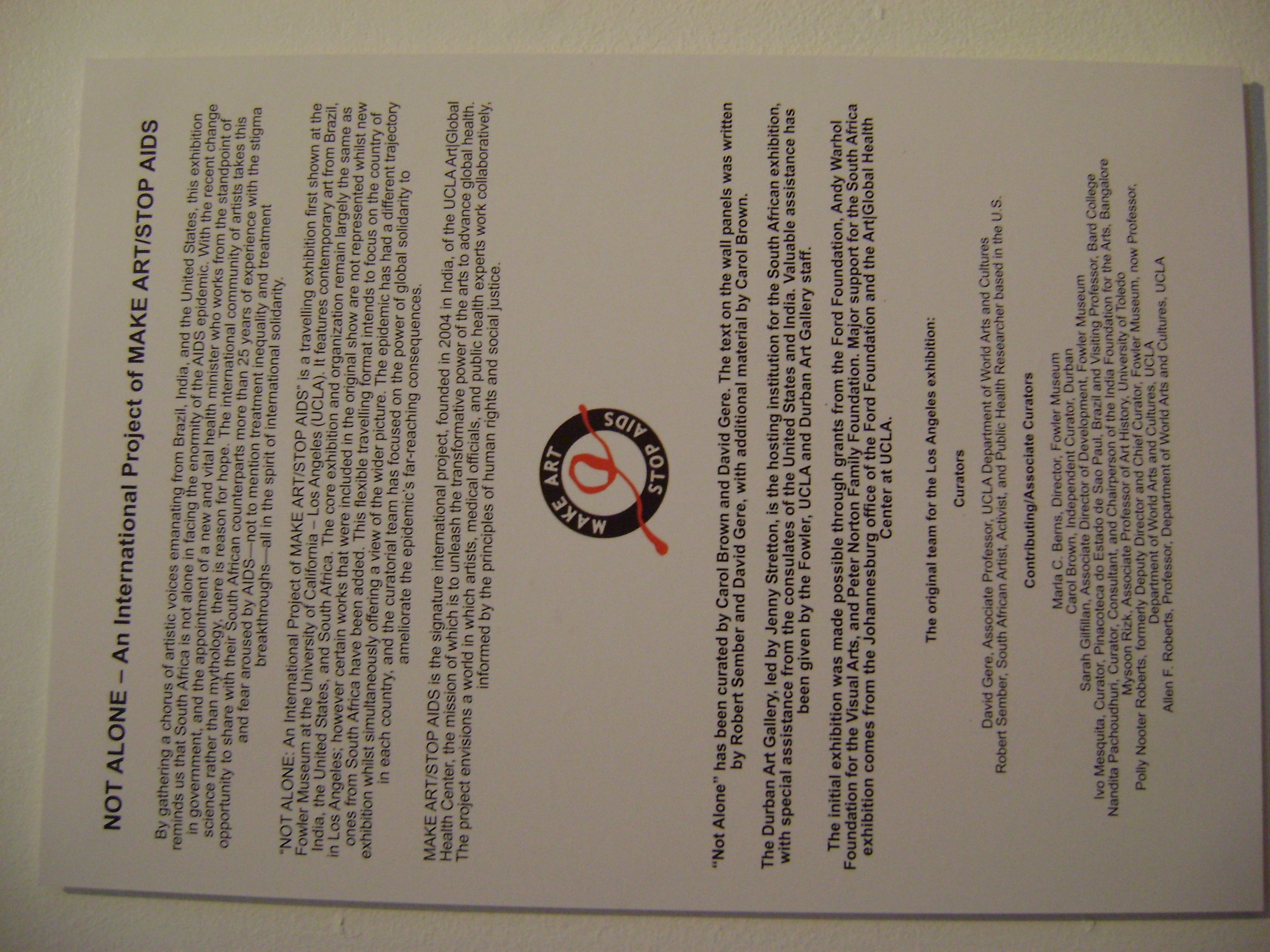
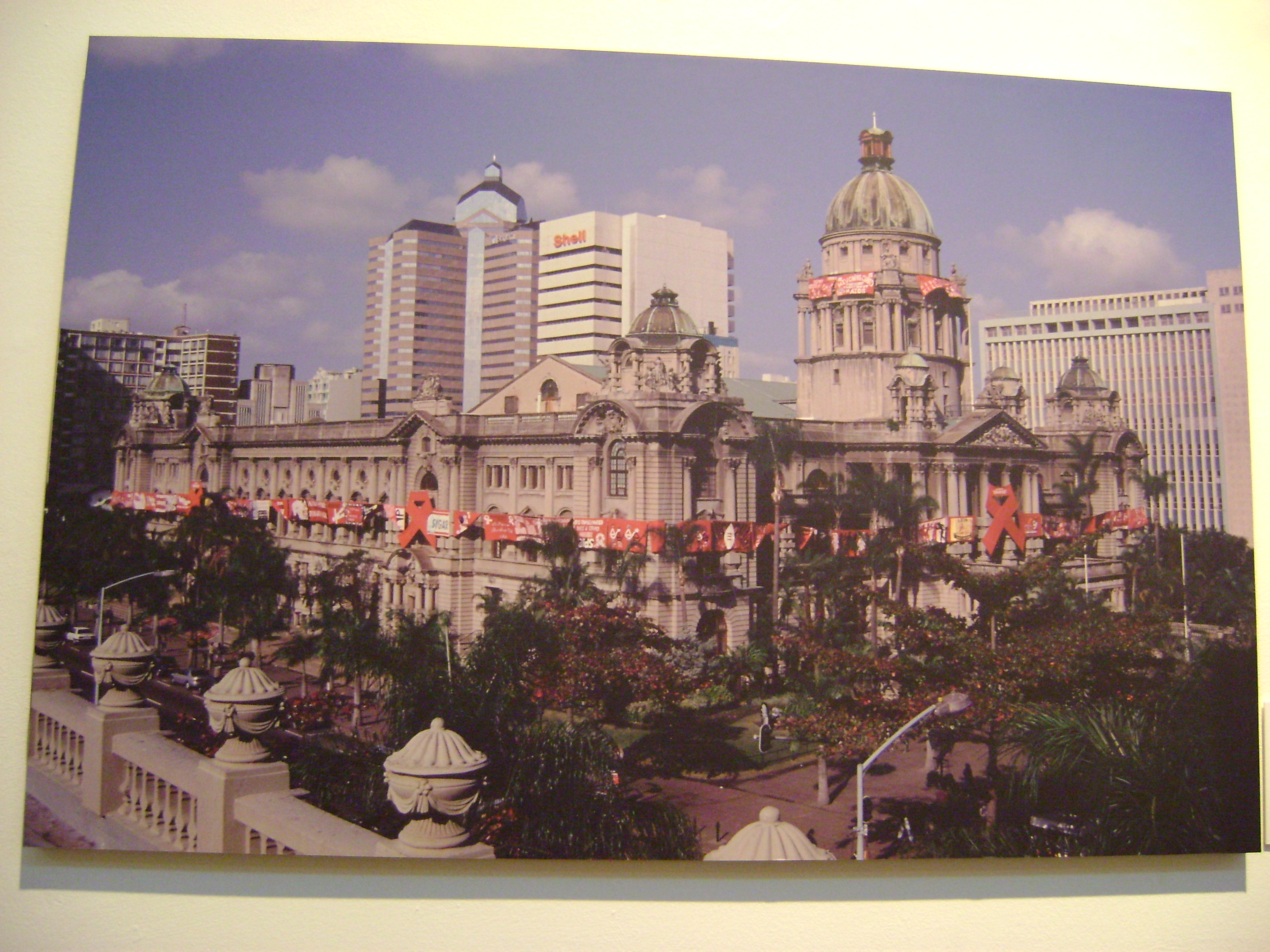
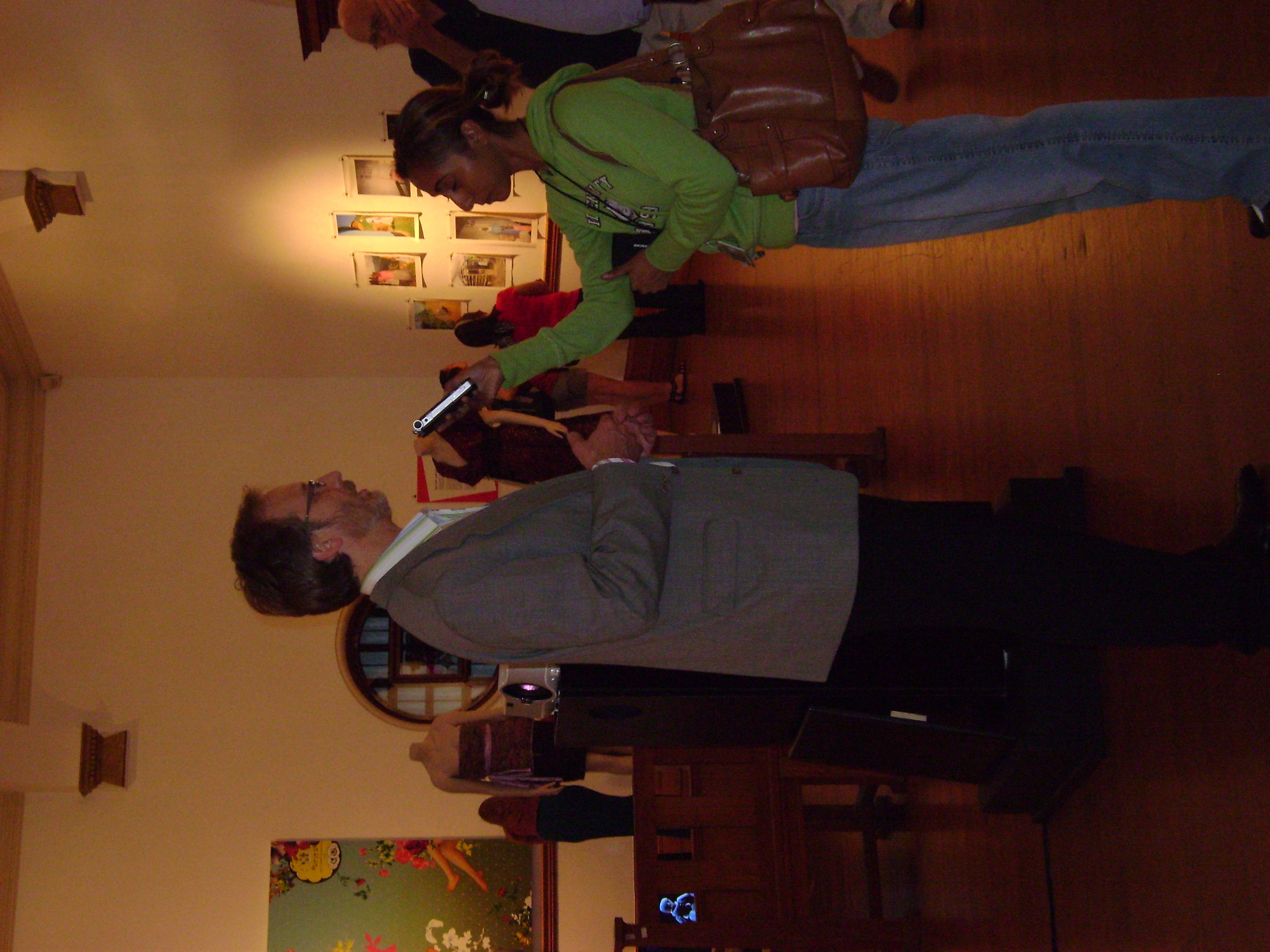
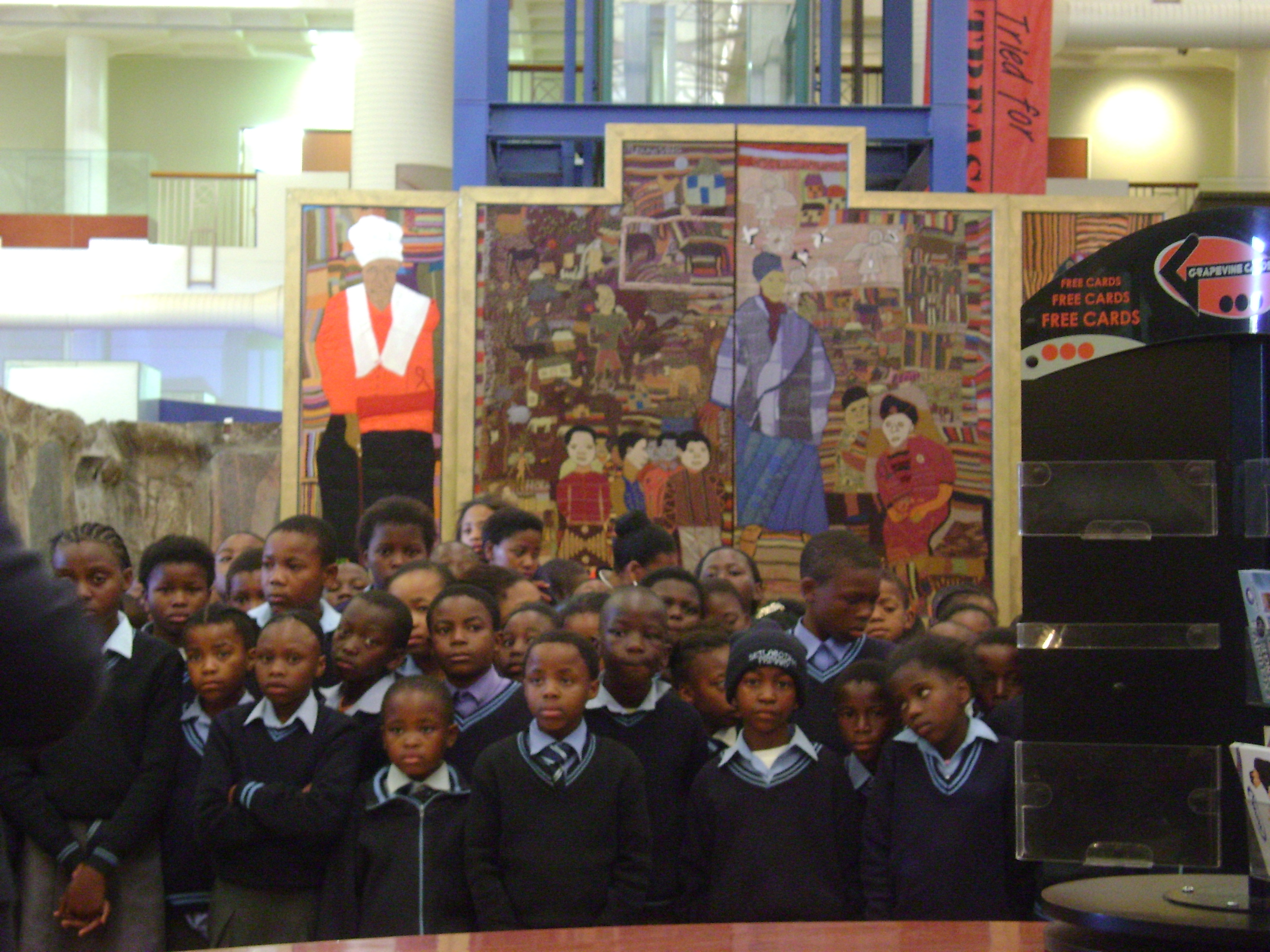
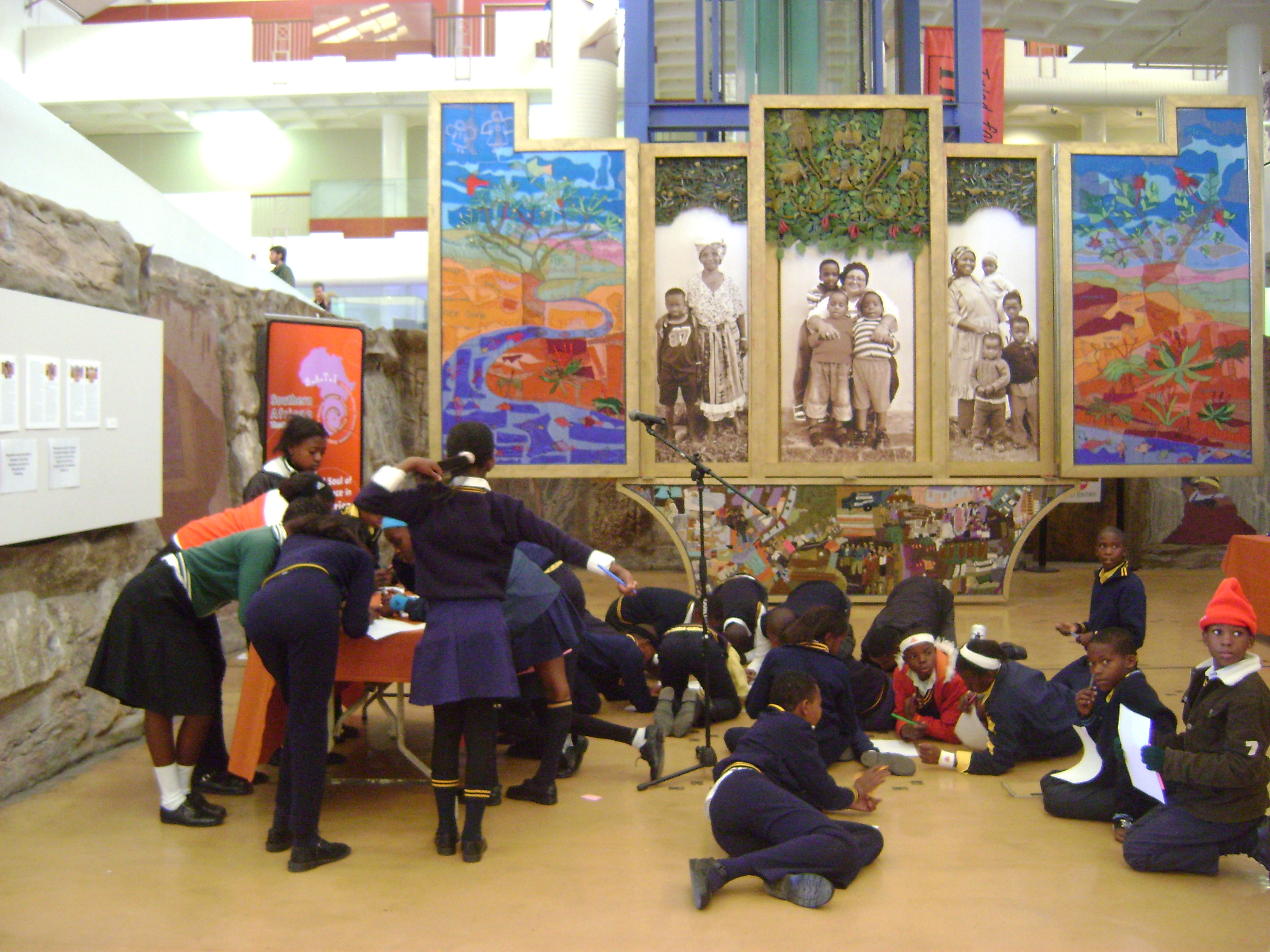
After key works in MAKE ART/STOP AIDS were returned to lenders, the remaining artworks, together with significant new additions, toured South Africa from February 2009 through January 2010. Venues included the Durban Art Gallery, Museum Africa in Johannesburg, and the Castle of…
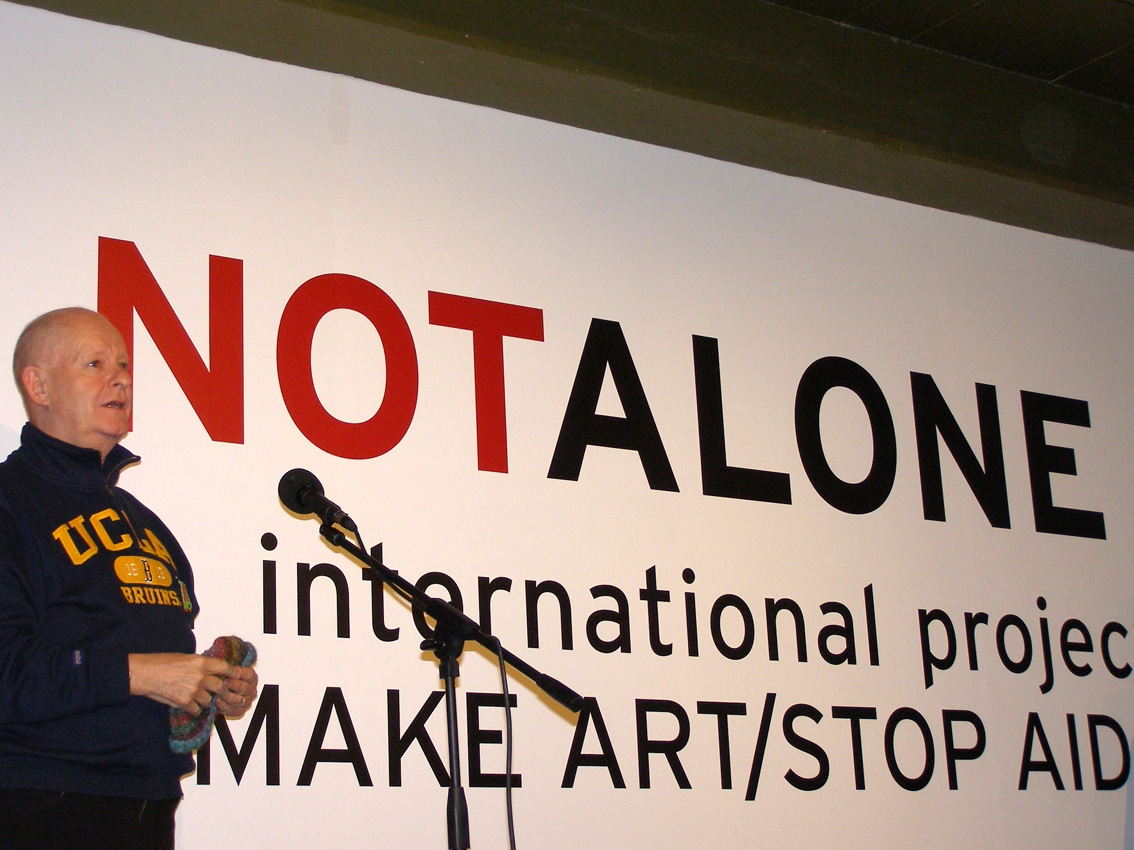
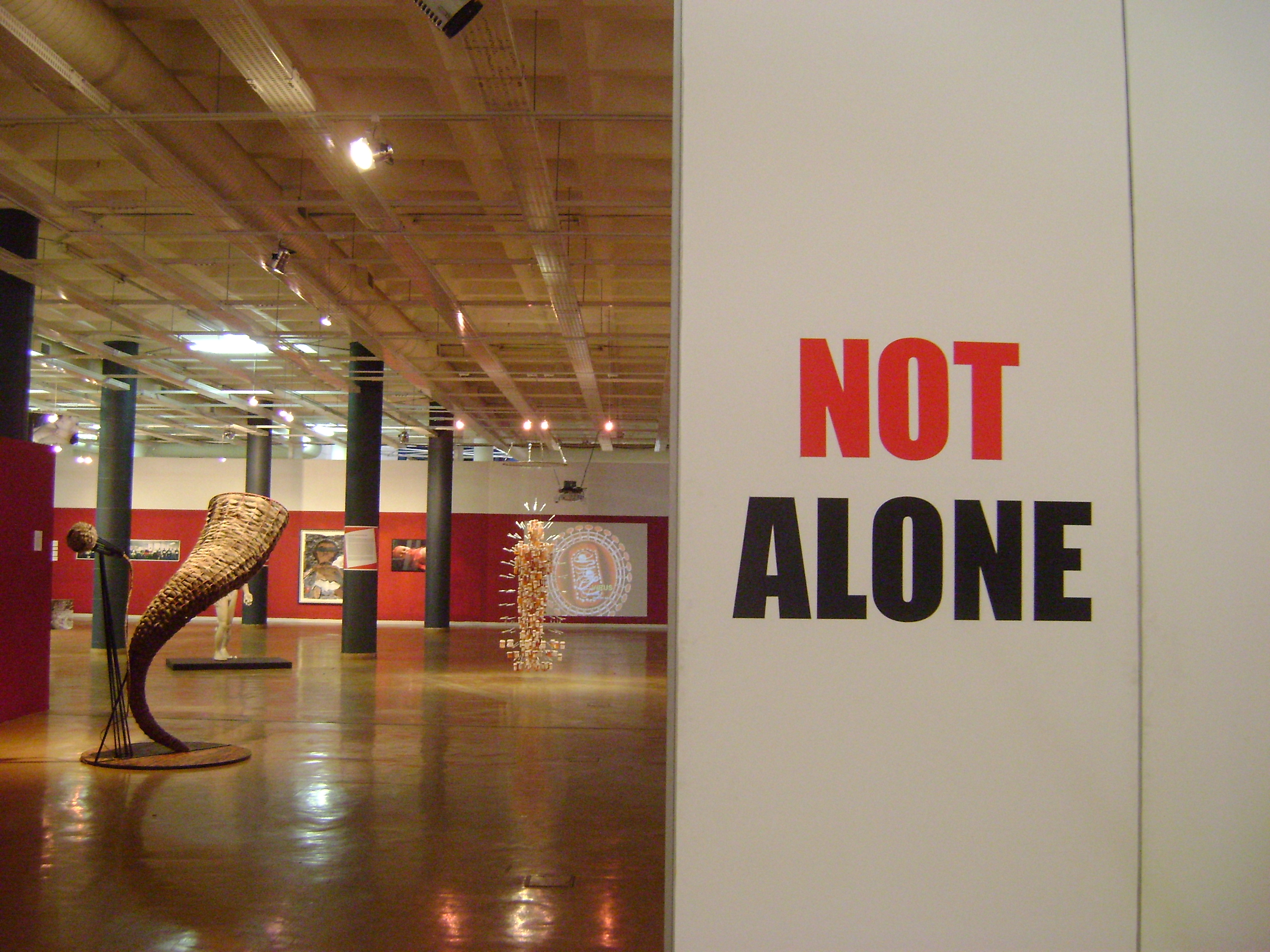
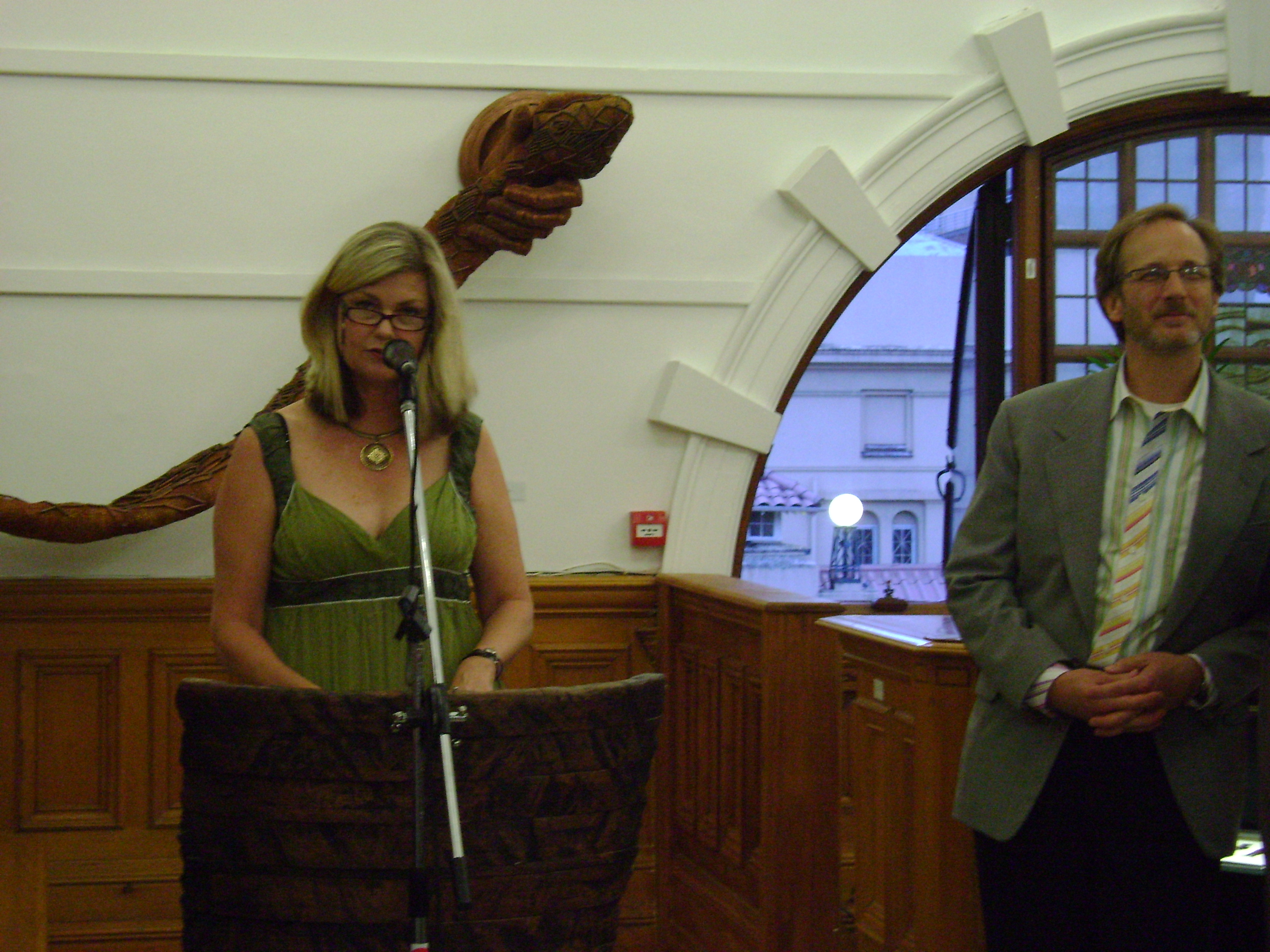
After key works in MAKE ART/STOP AIDS were returned to lenders, the remaining artworks, together with significant new additions, toured South Africa from February 2009 through January 2010. Venues included the Durban Art Gallery, Museum Africa in Johannesburg, and the Castle of Good Hope, part of Iziko Museums of Cape Town. Not Alone was co-curated by Carol Brown and David Gere.
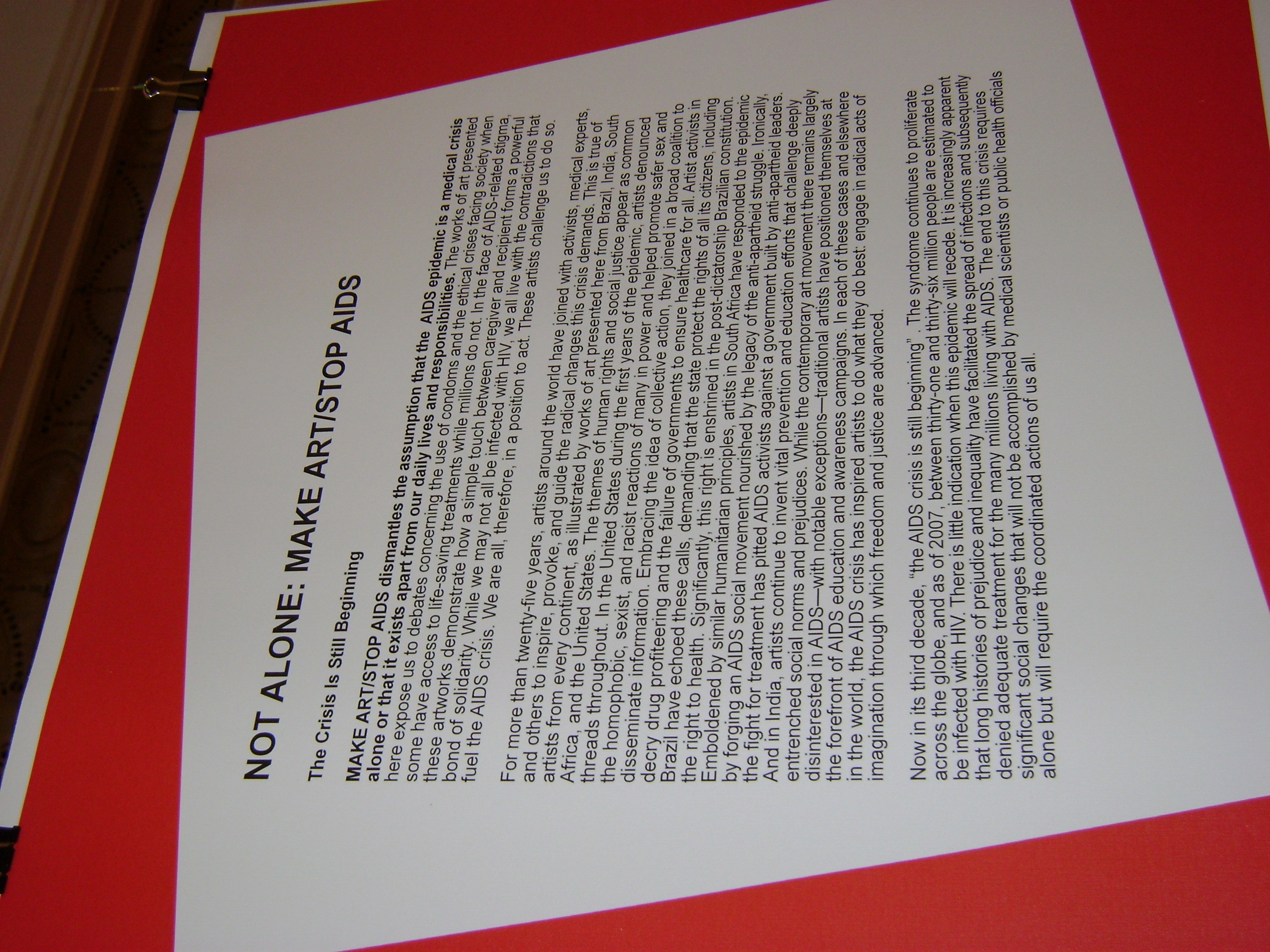
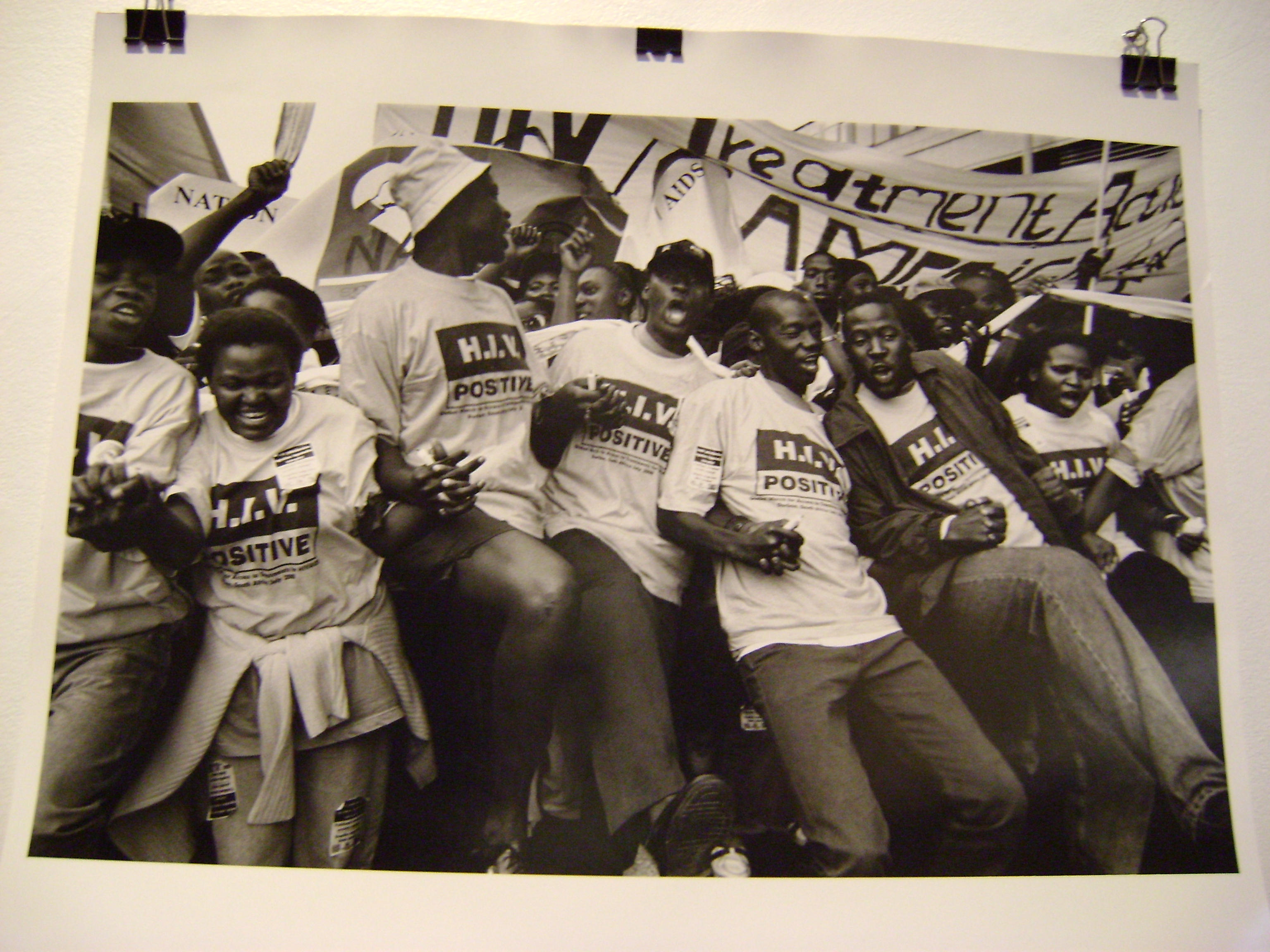
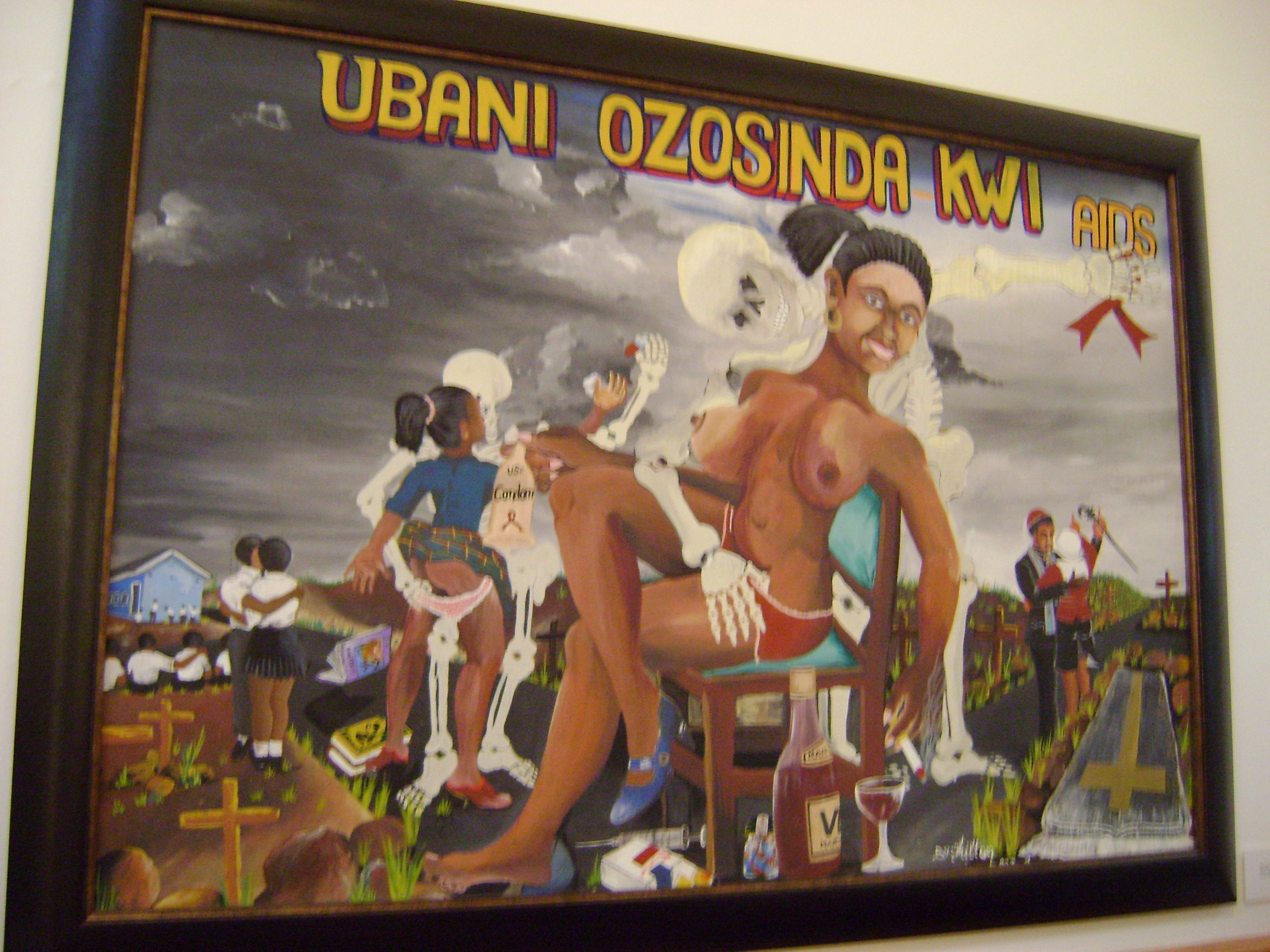
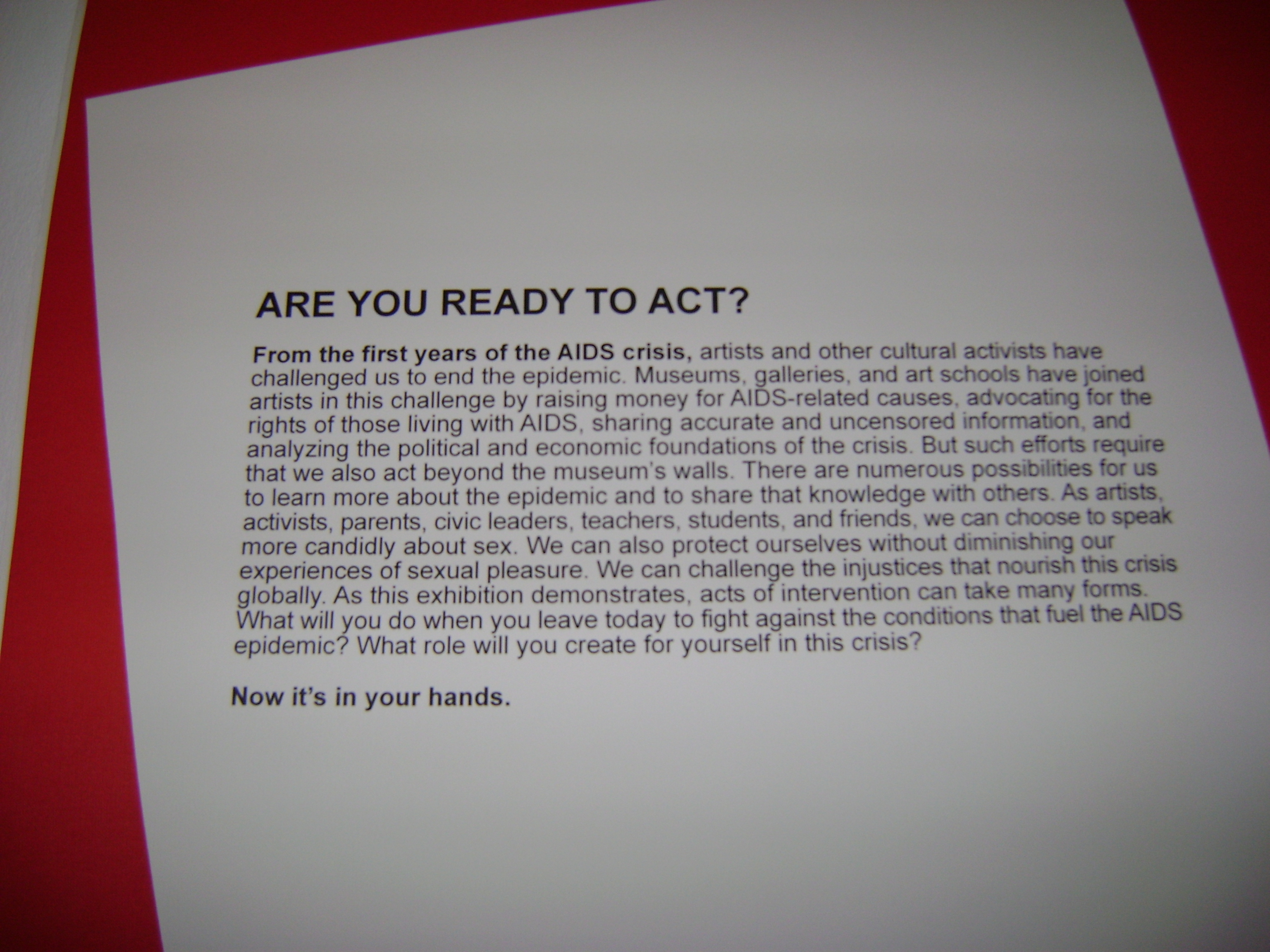
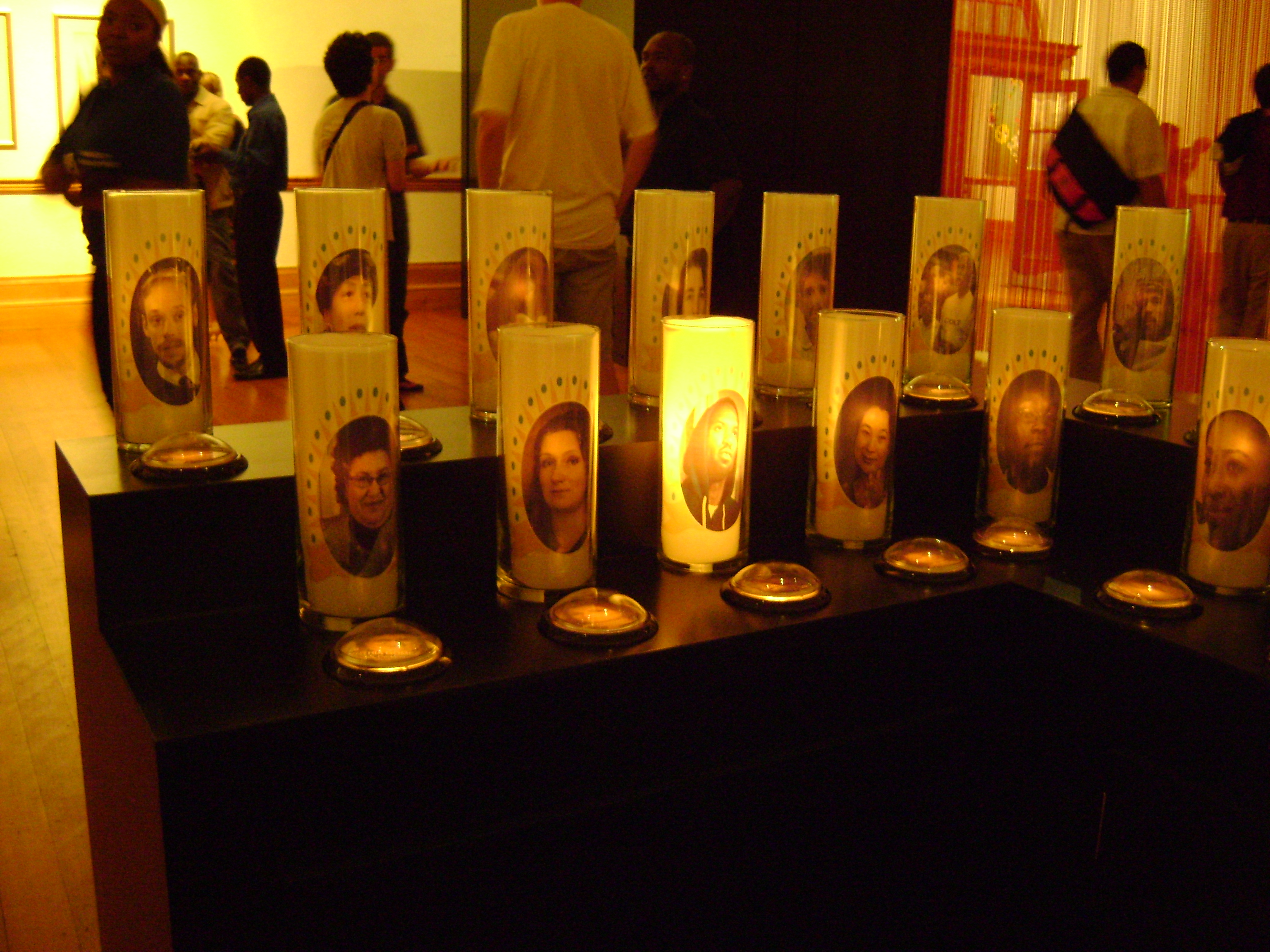
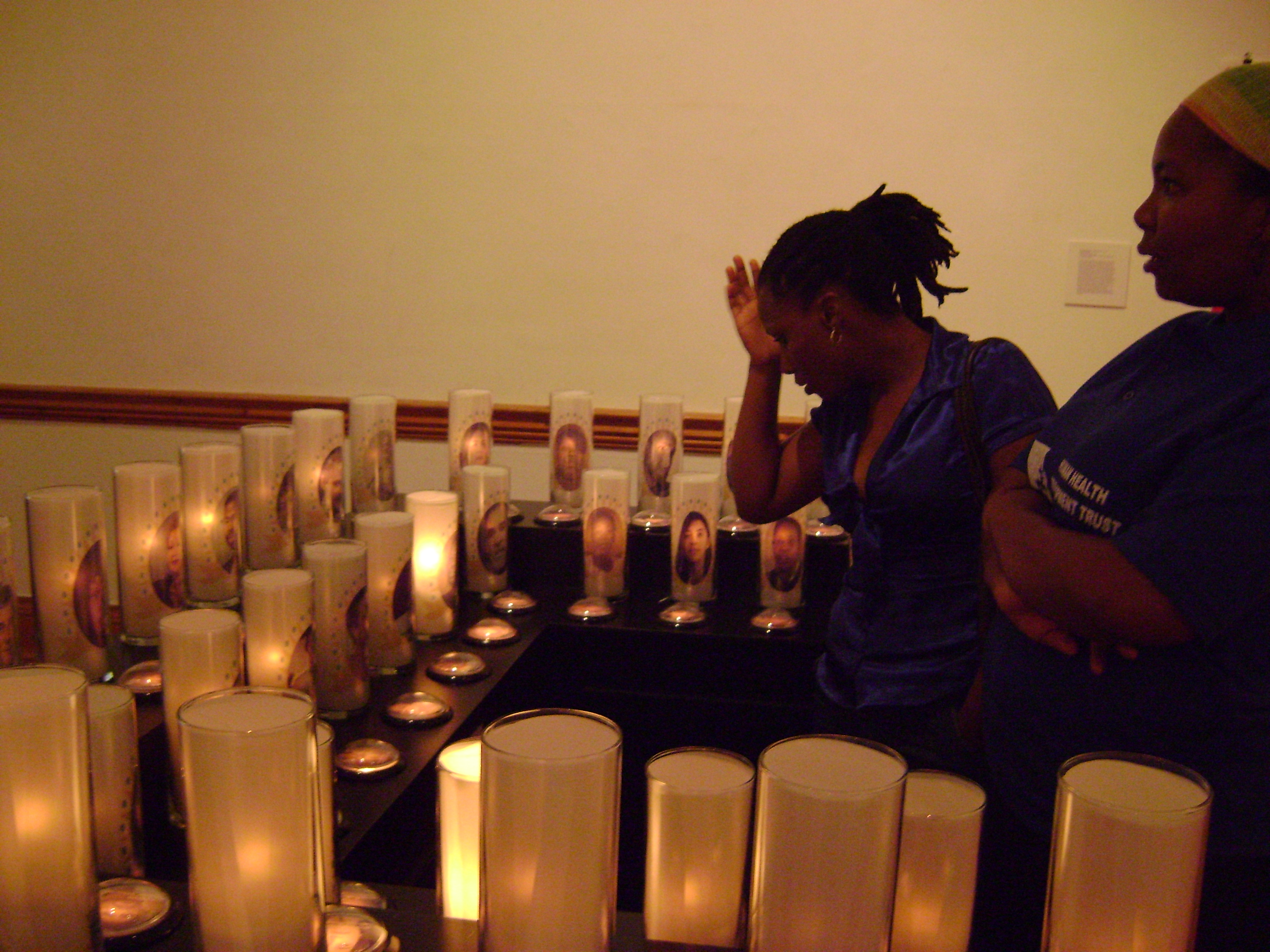
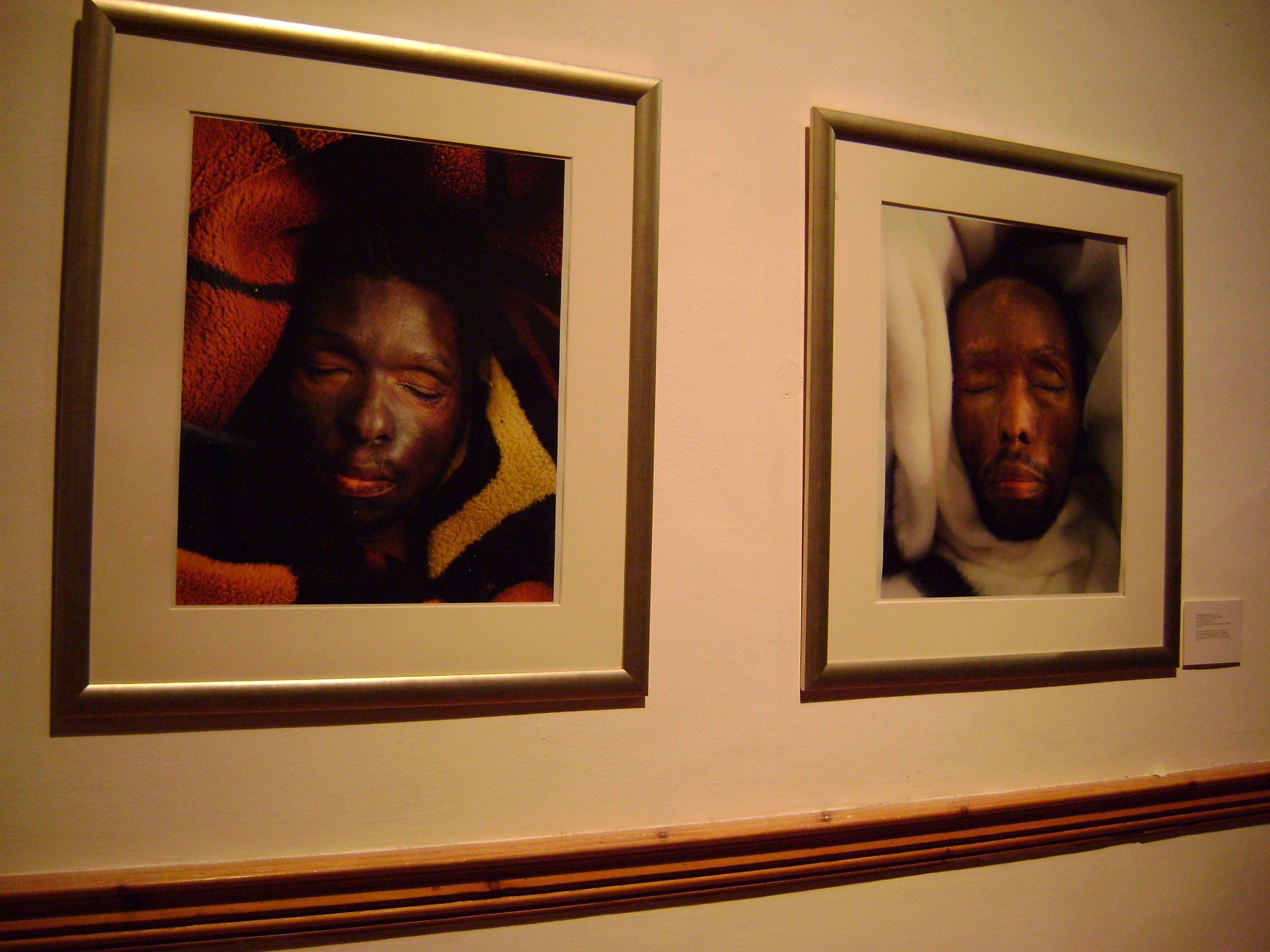
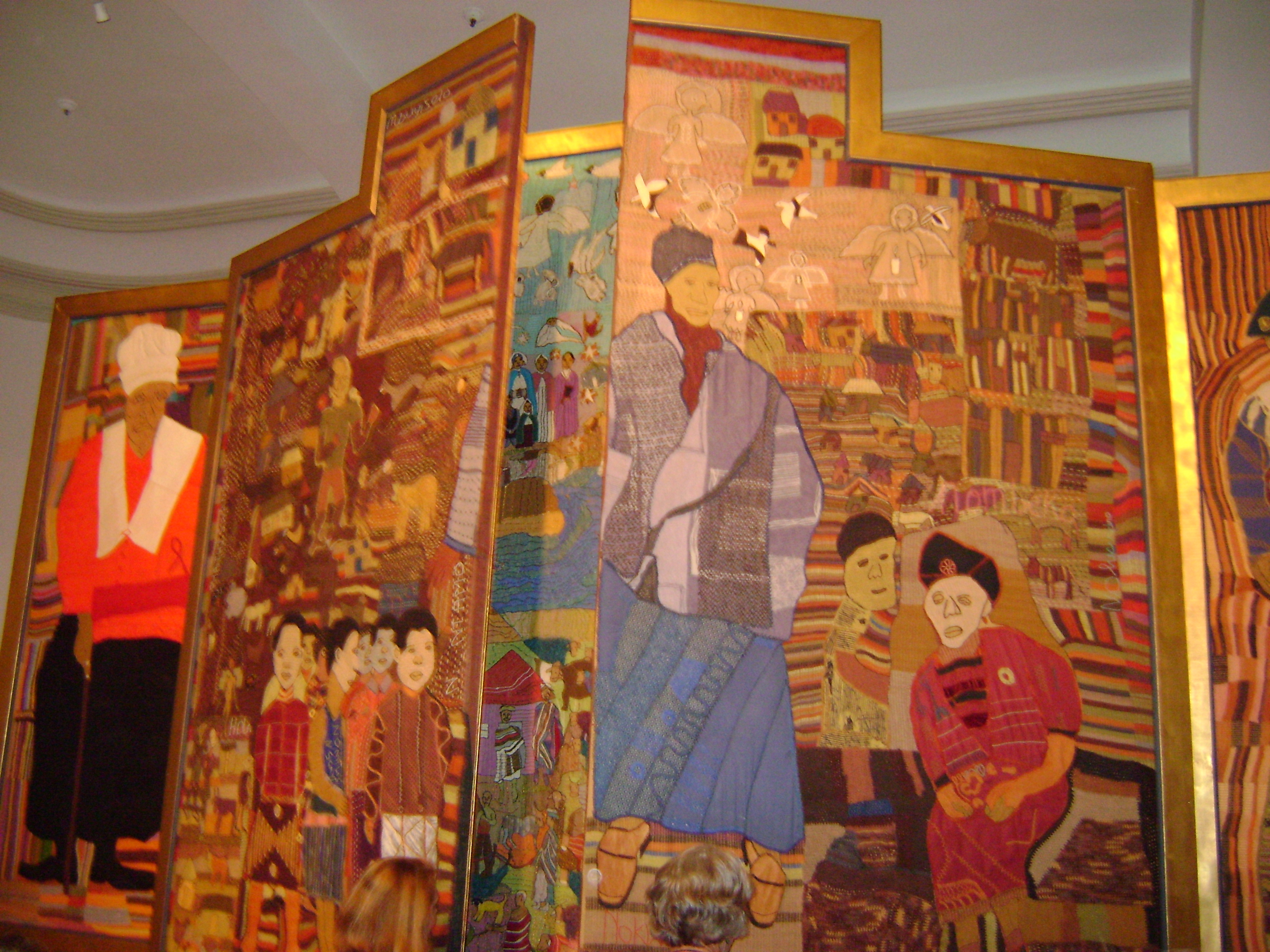
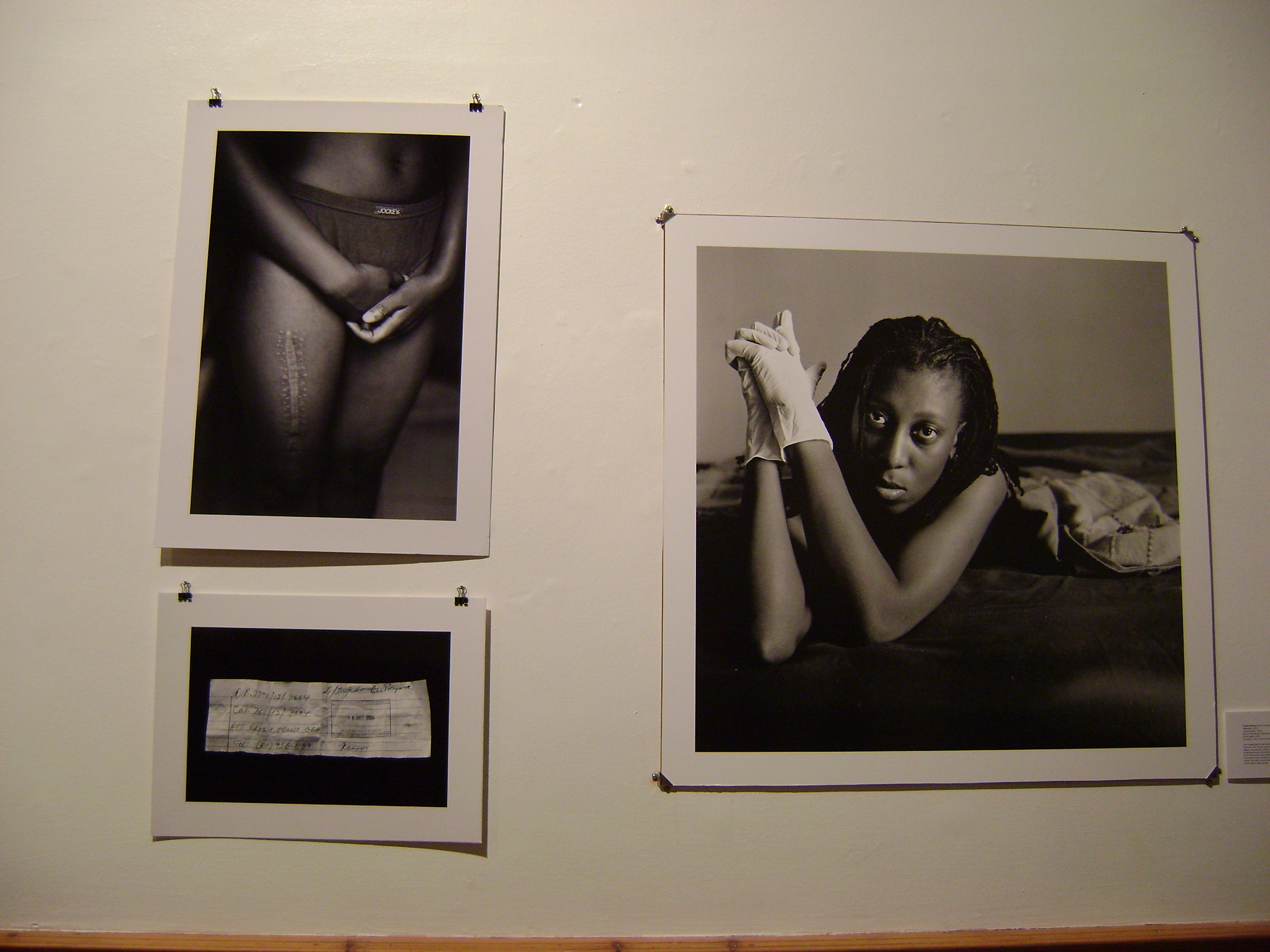
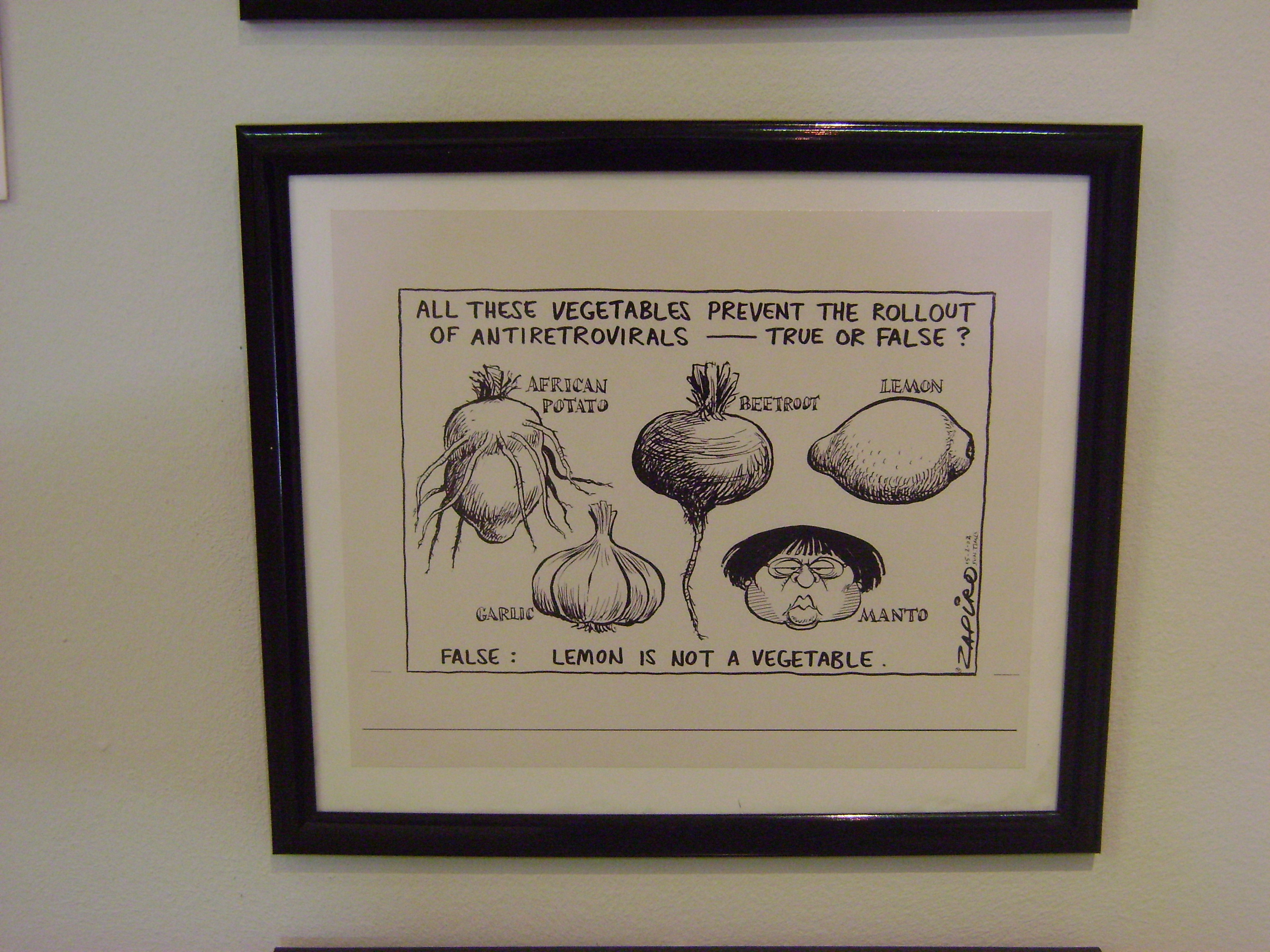
For more than twenty-five years prior to Not Alone, artists around the world had joined with activists, medical experts, and others to inspire, provoke, and guide the radical changes that the AIDS crisis demands. Not Alone demonstrated how artists have responded to HIV/AIDS and how their work can raise awareness, inspire activism, and ultimately help end the global AIDS epidemic.
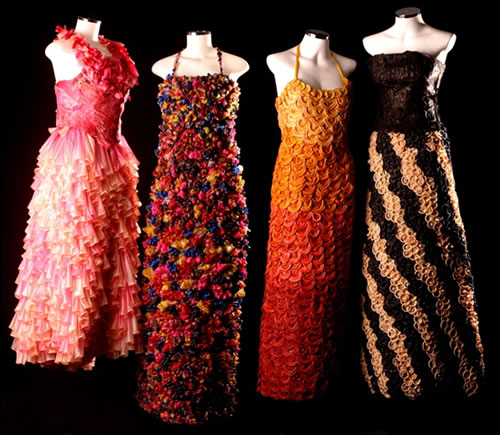
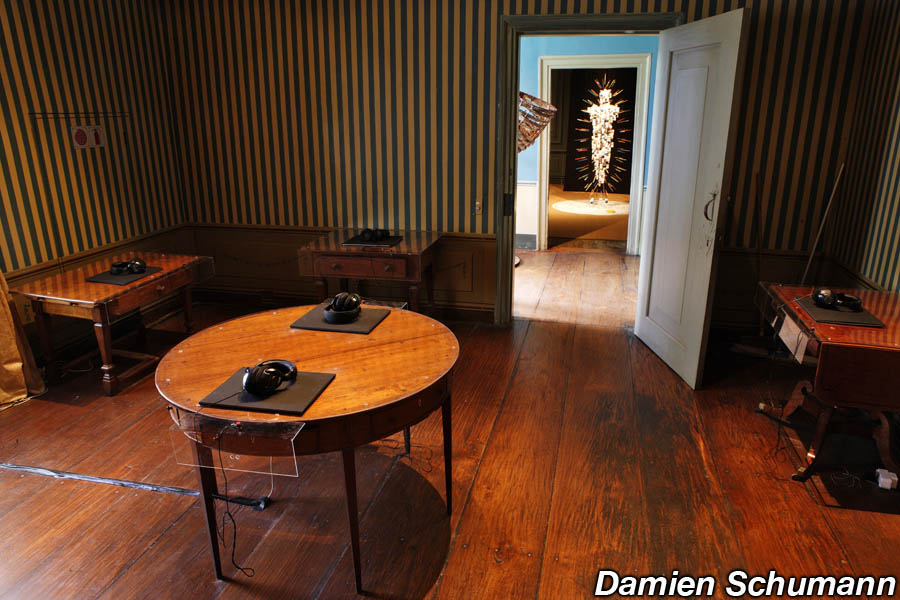
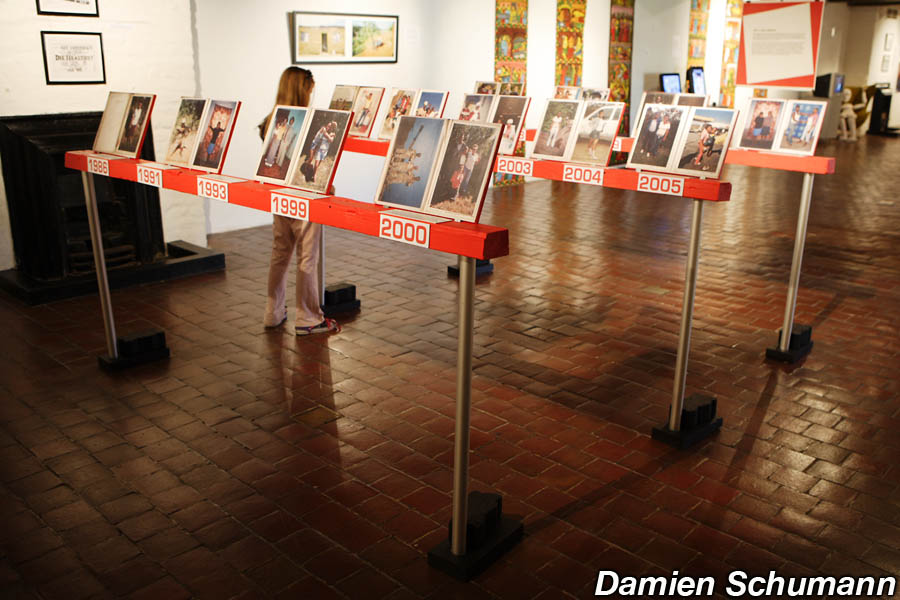
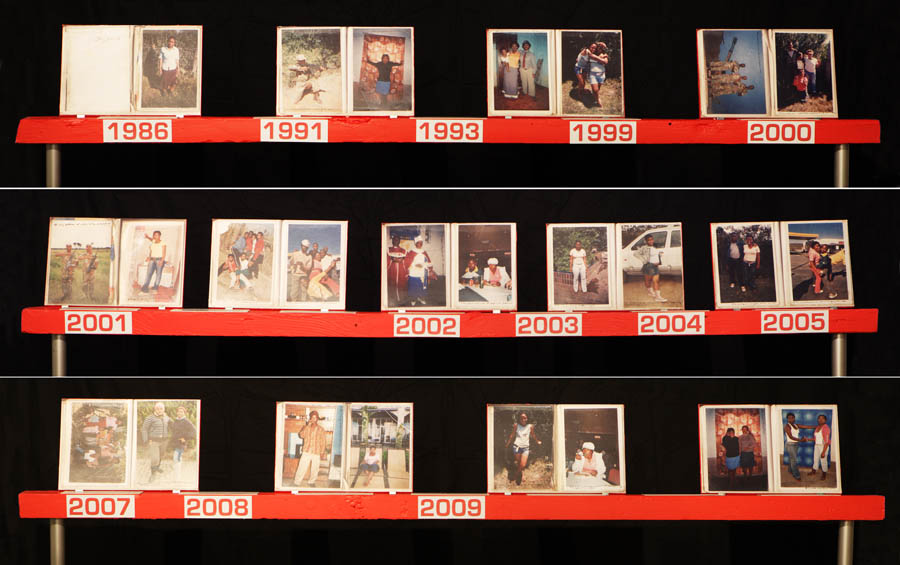
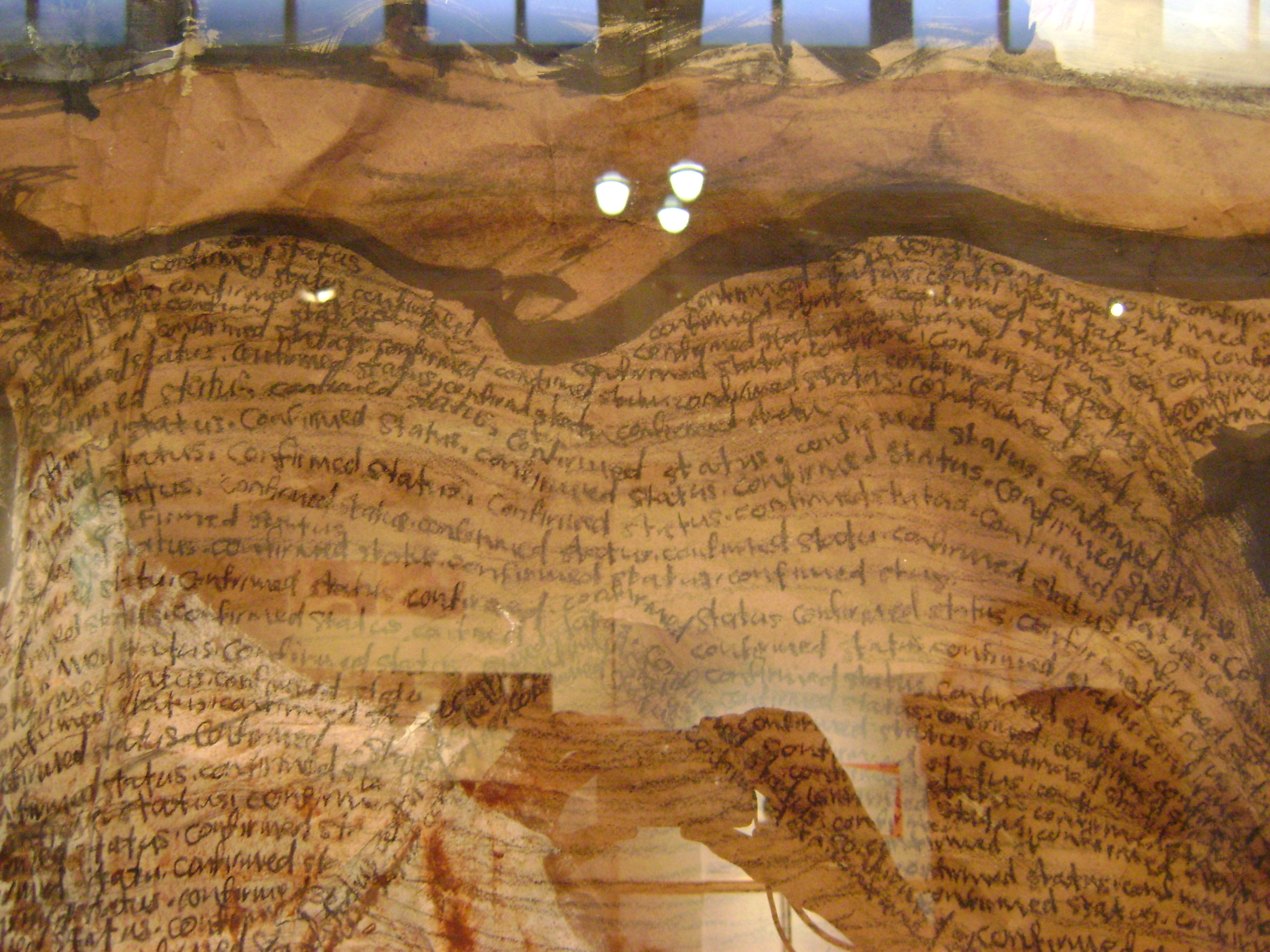
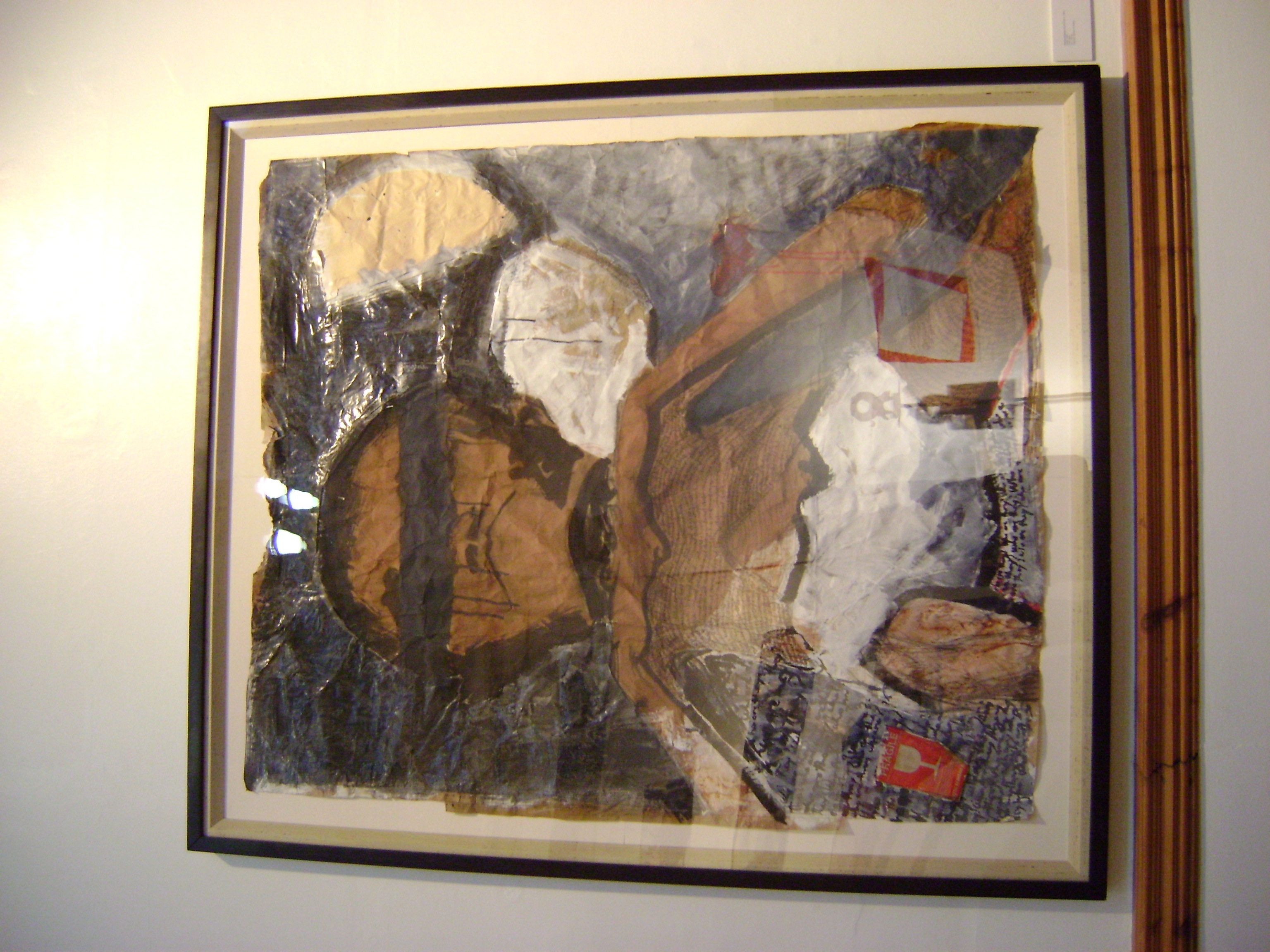
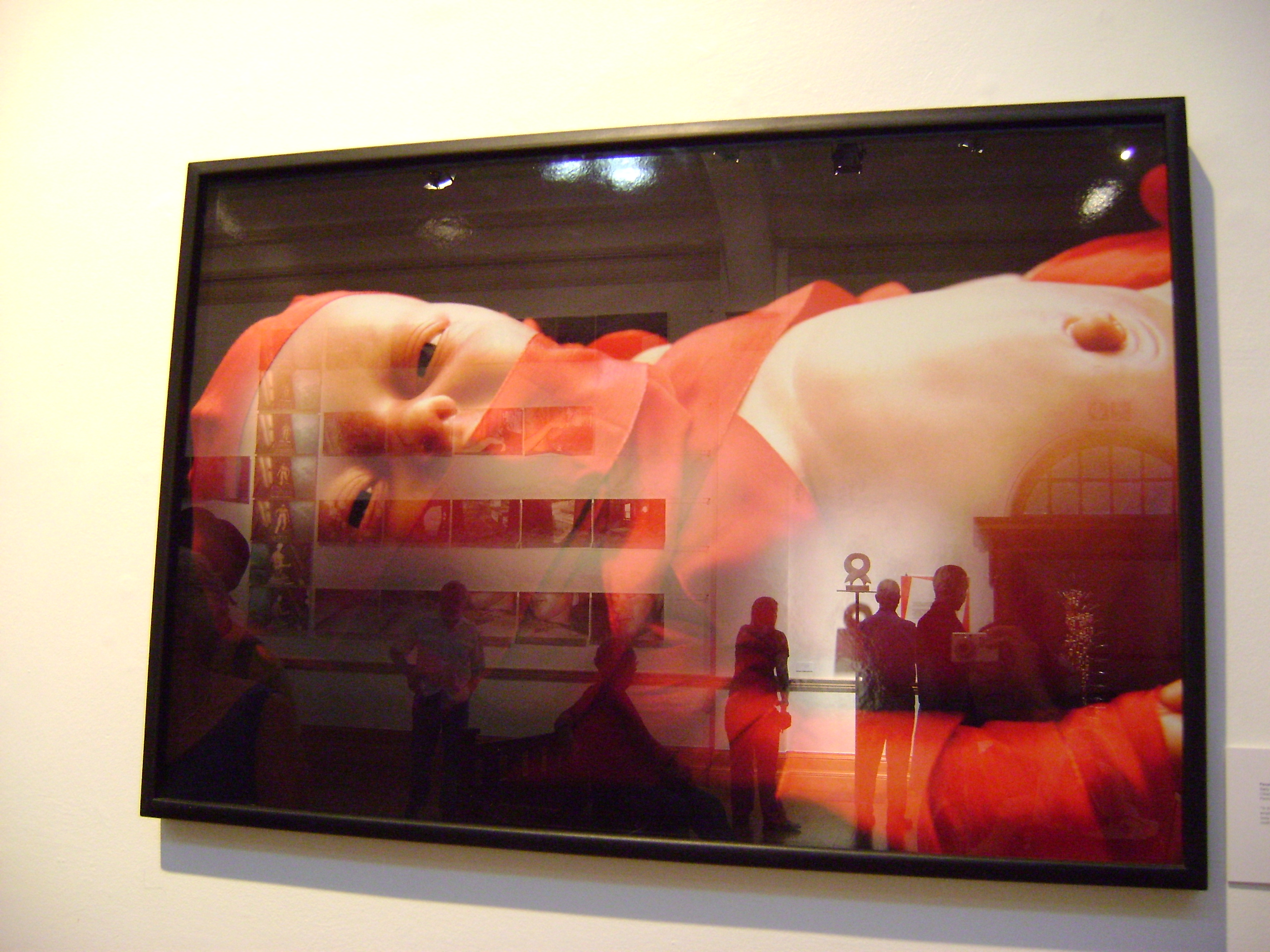
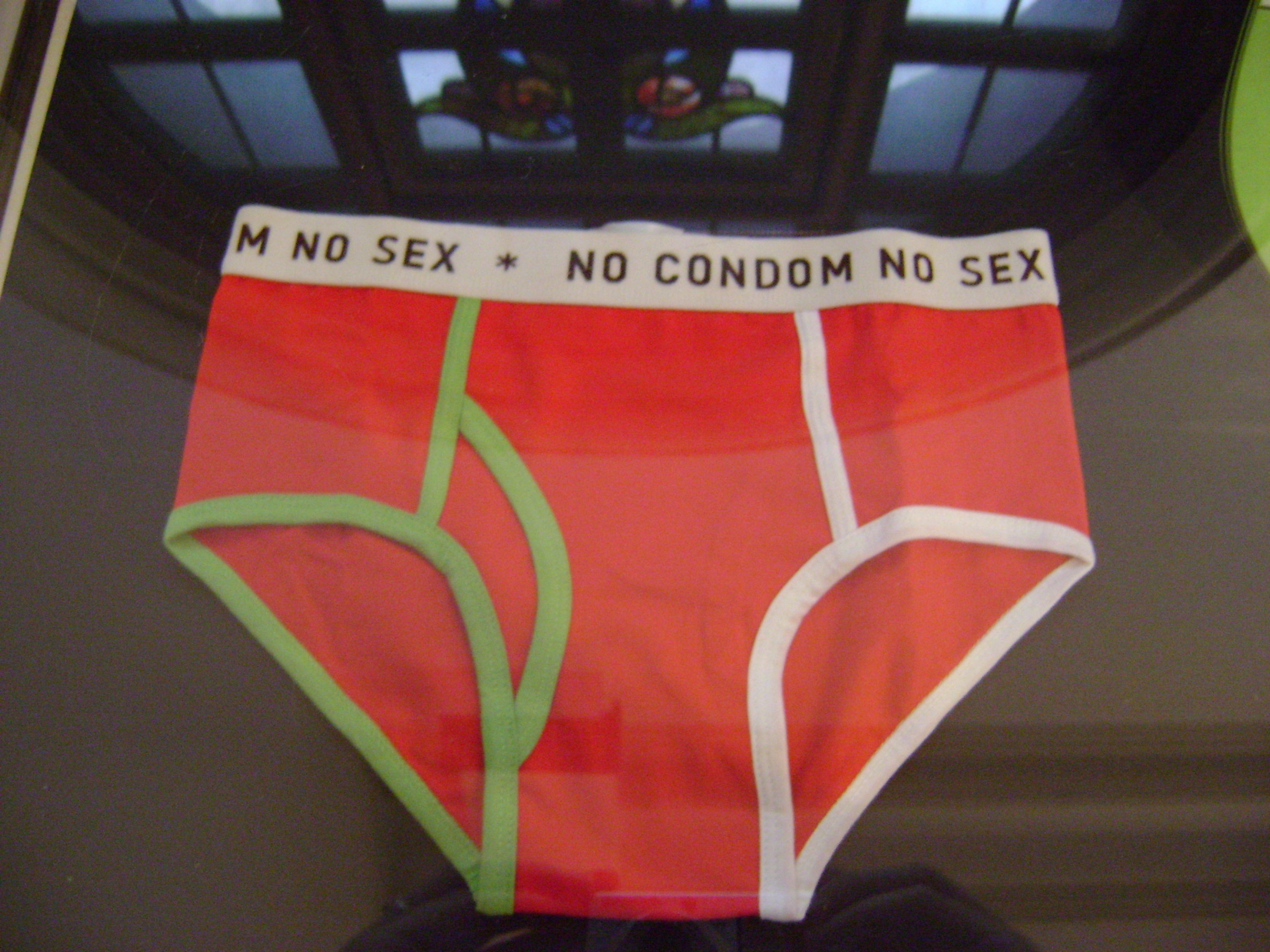
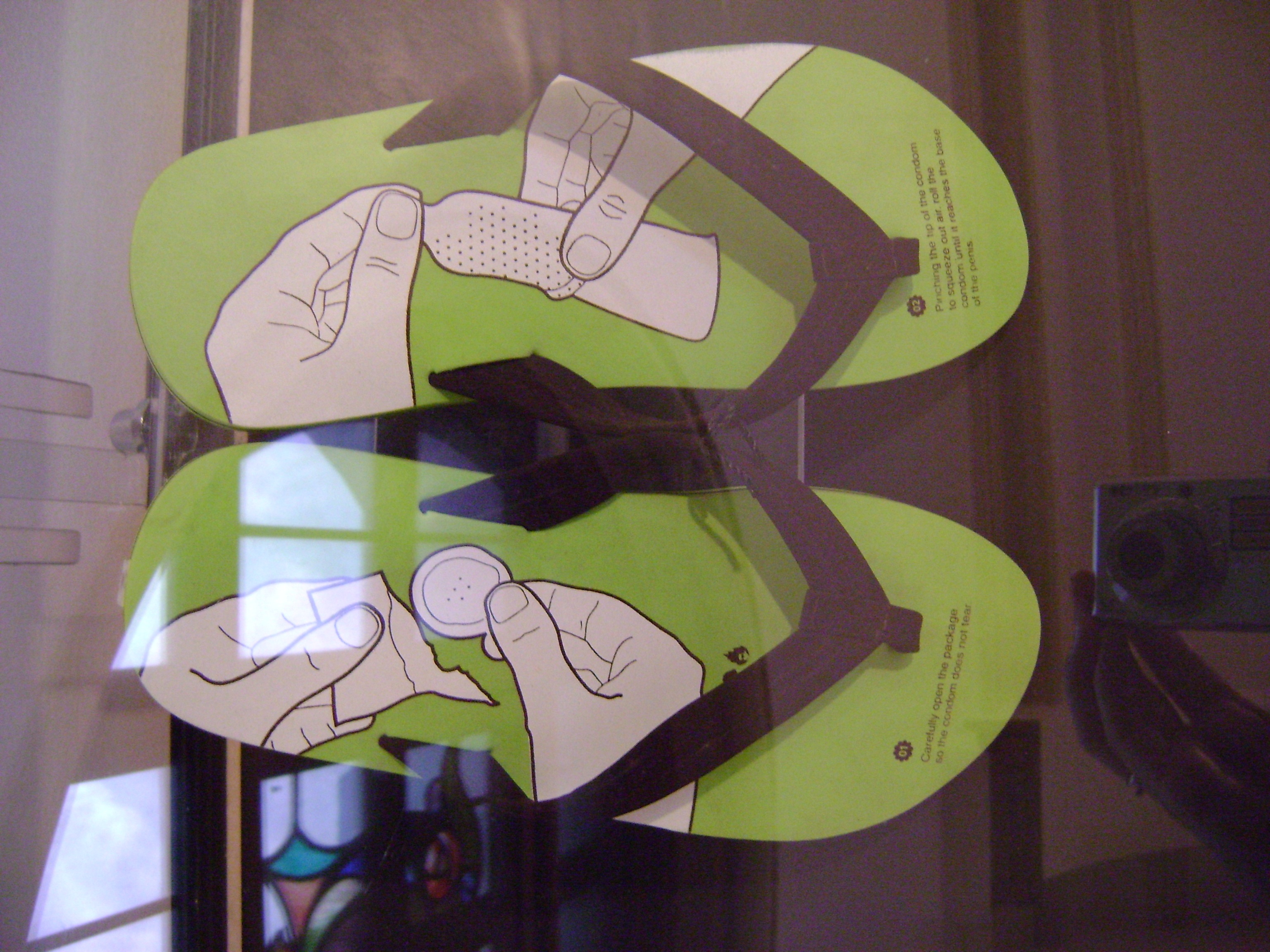
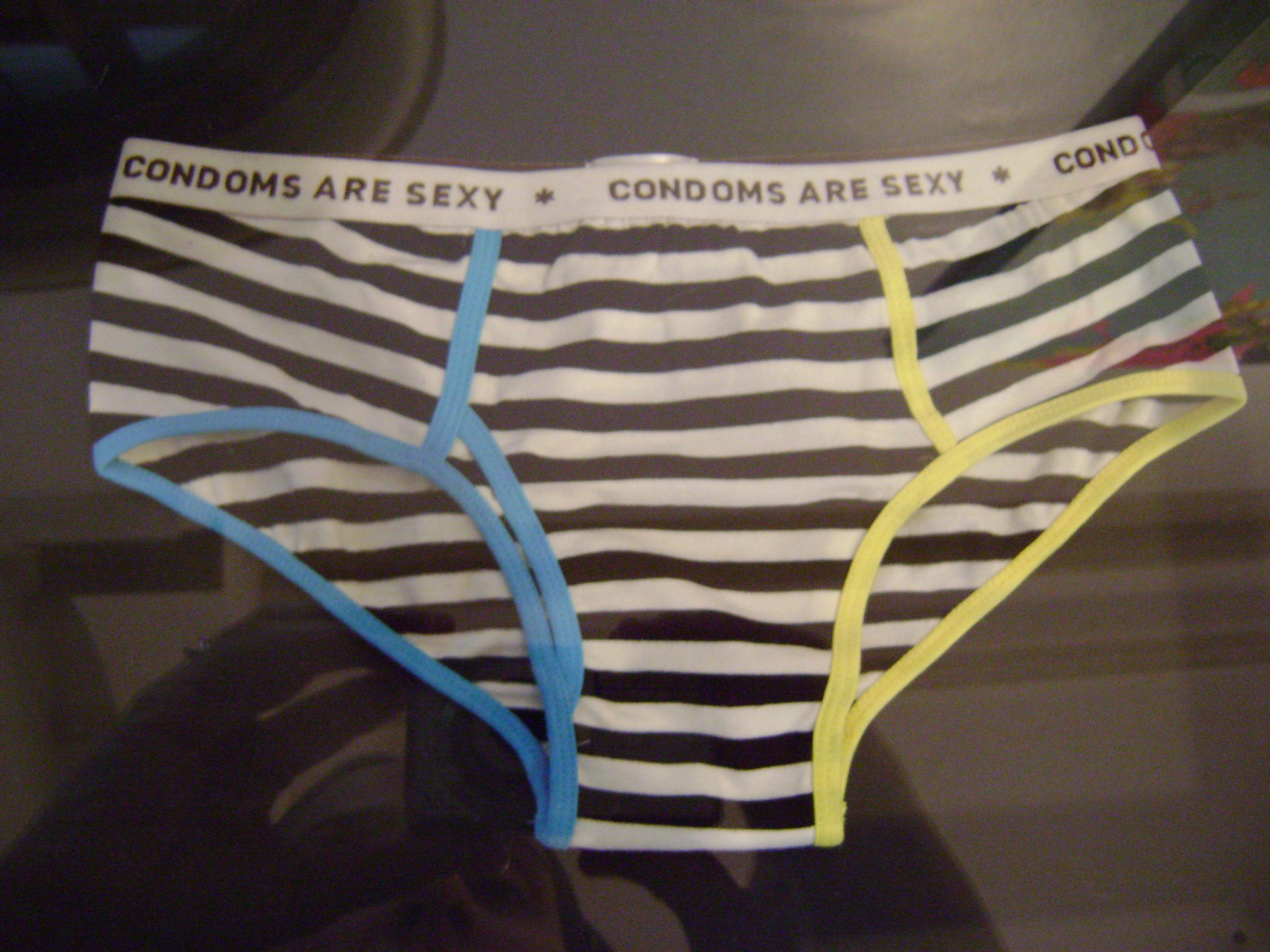
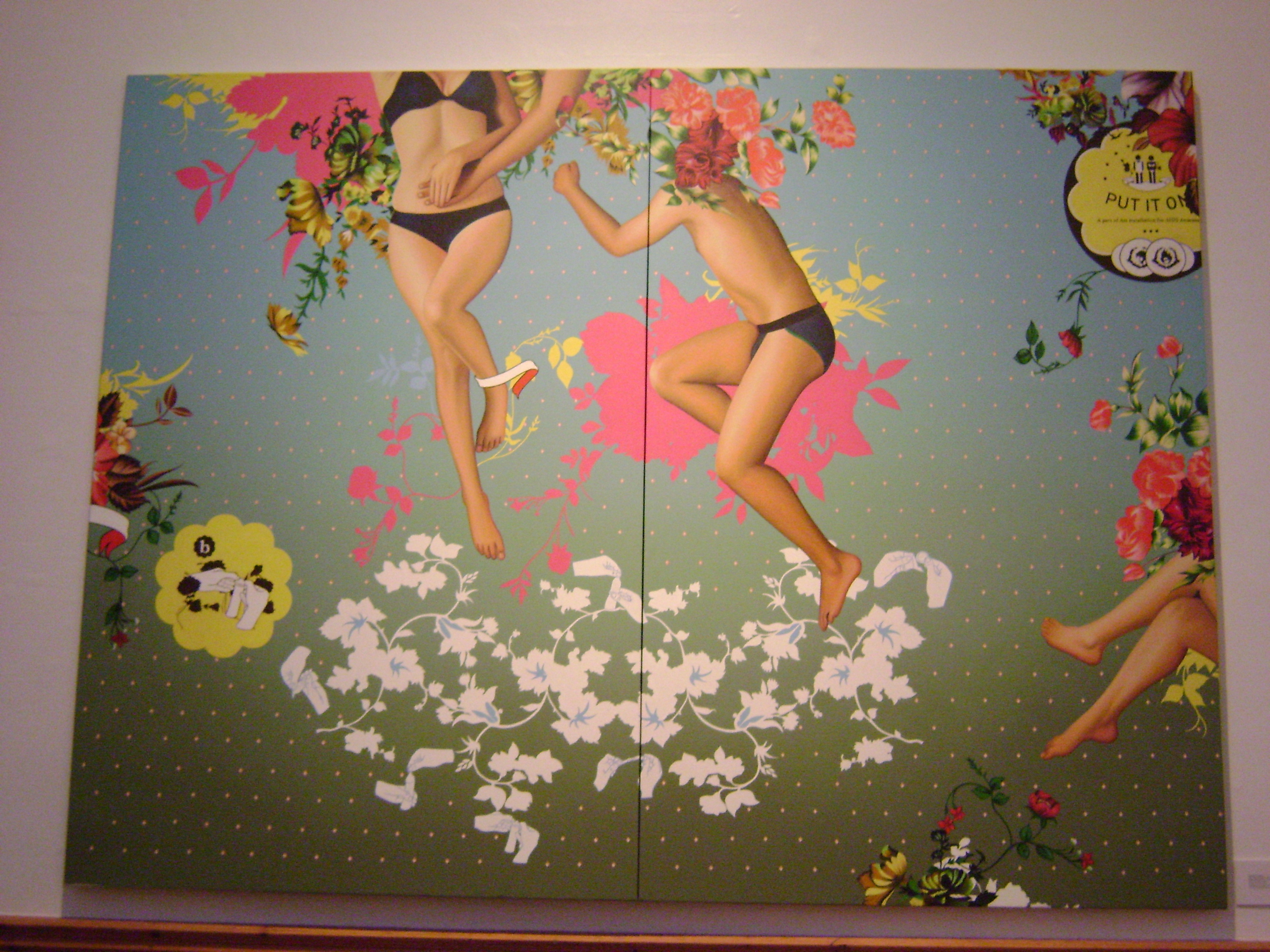
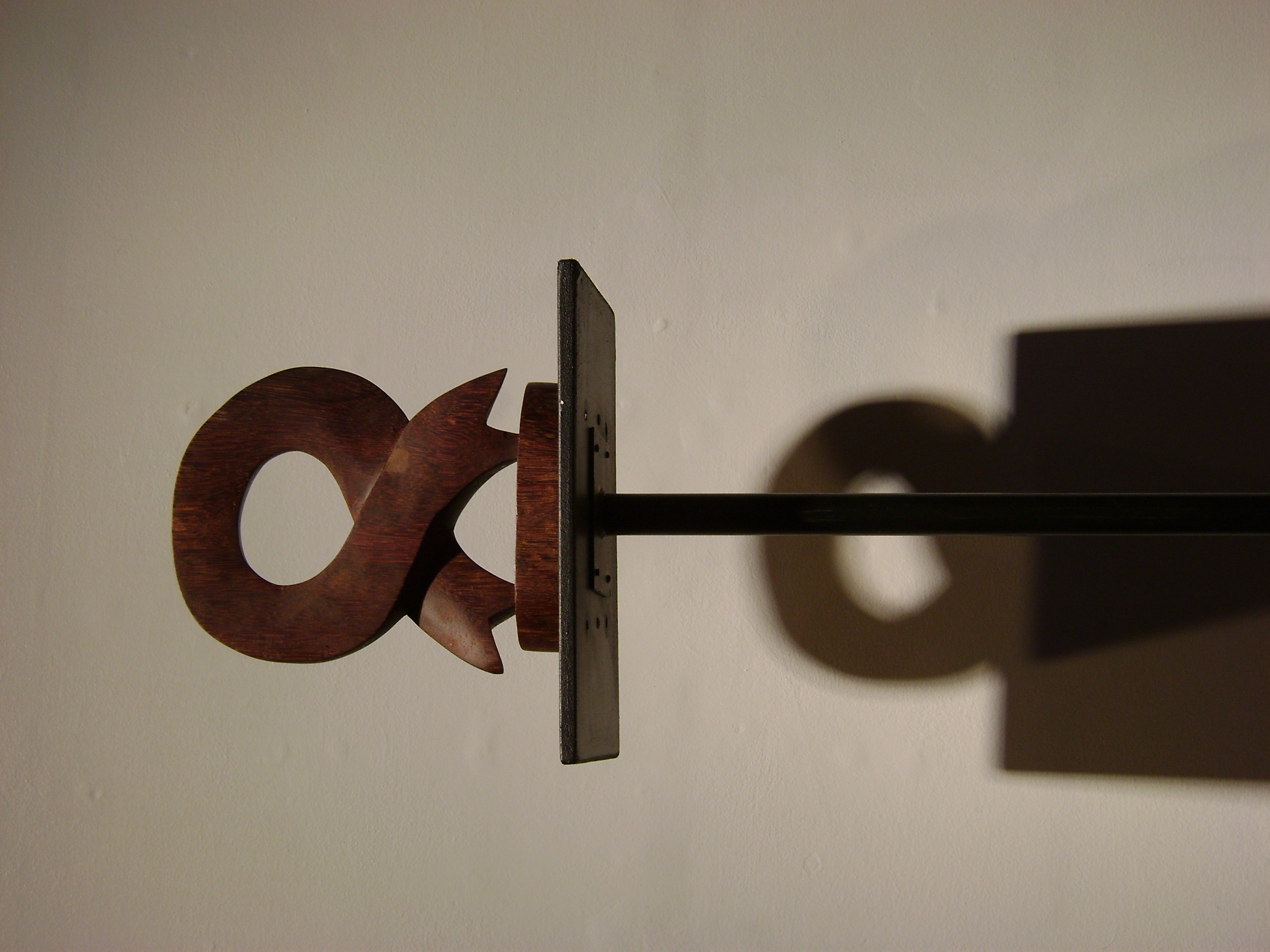
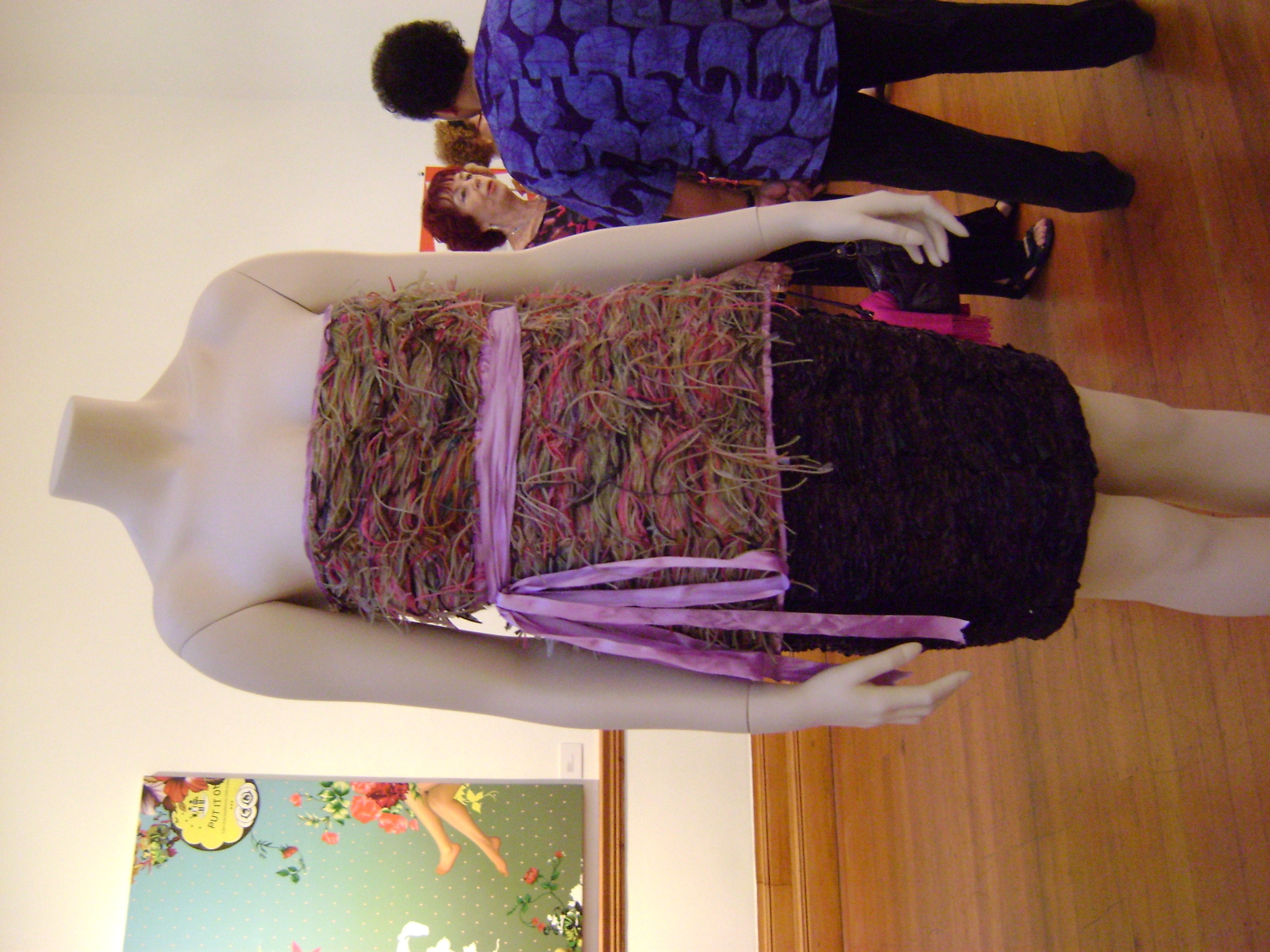
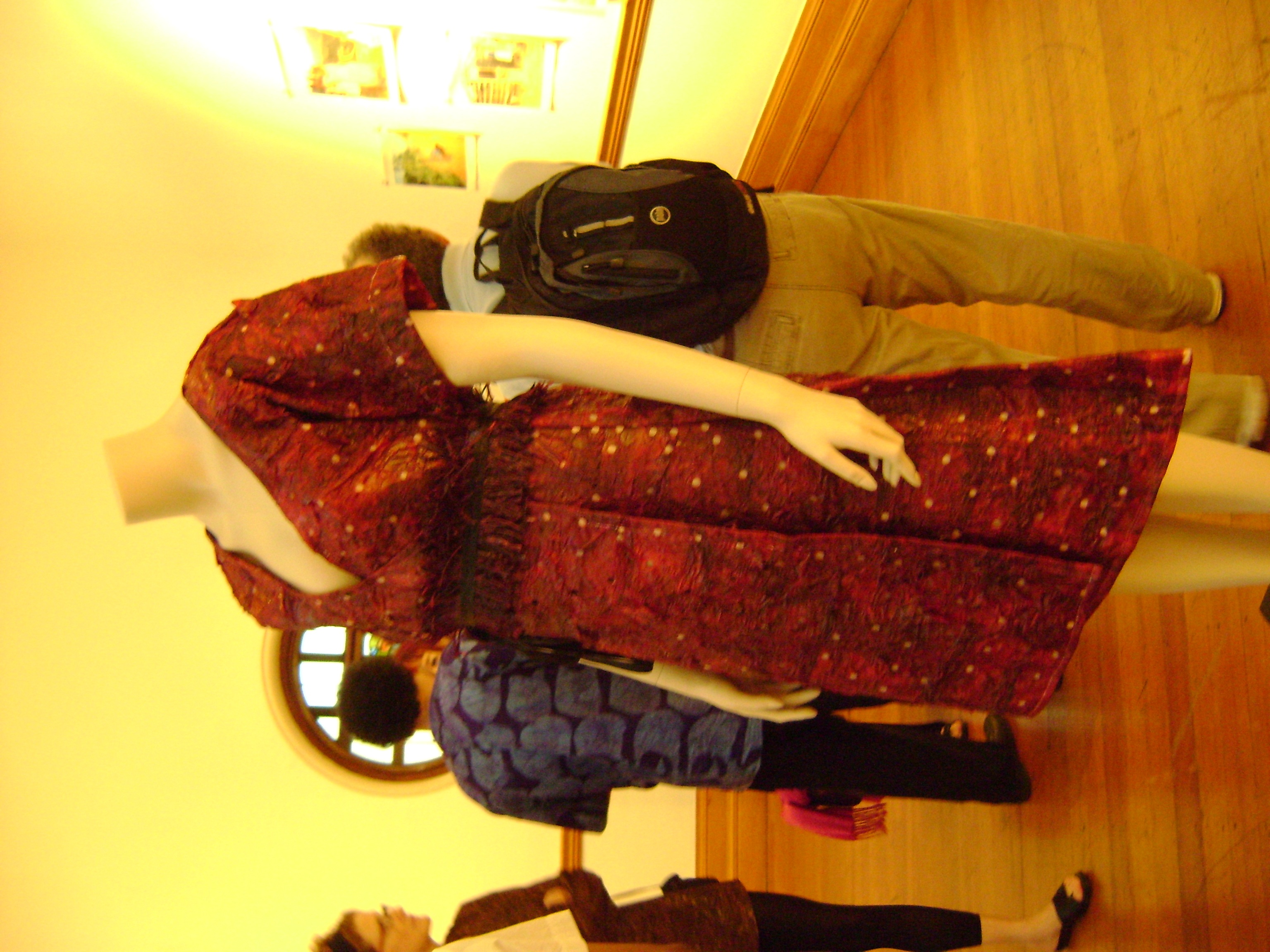
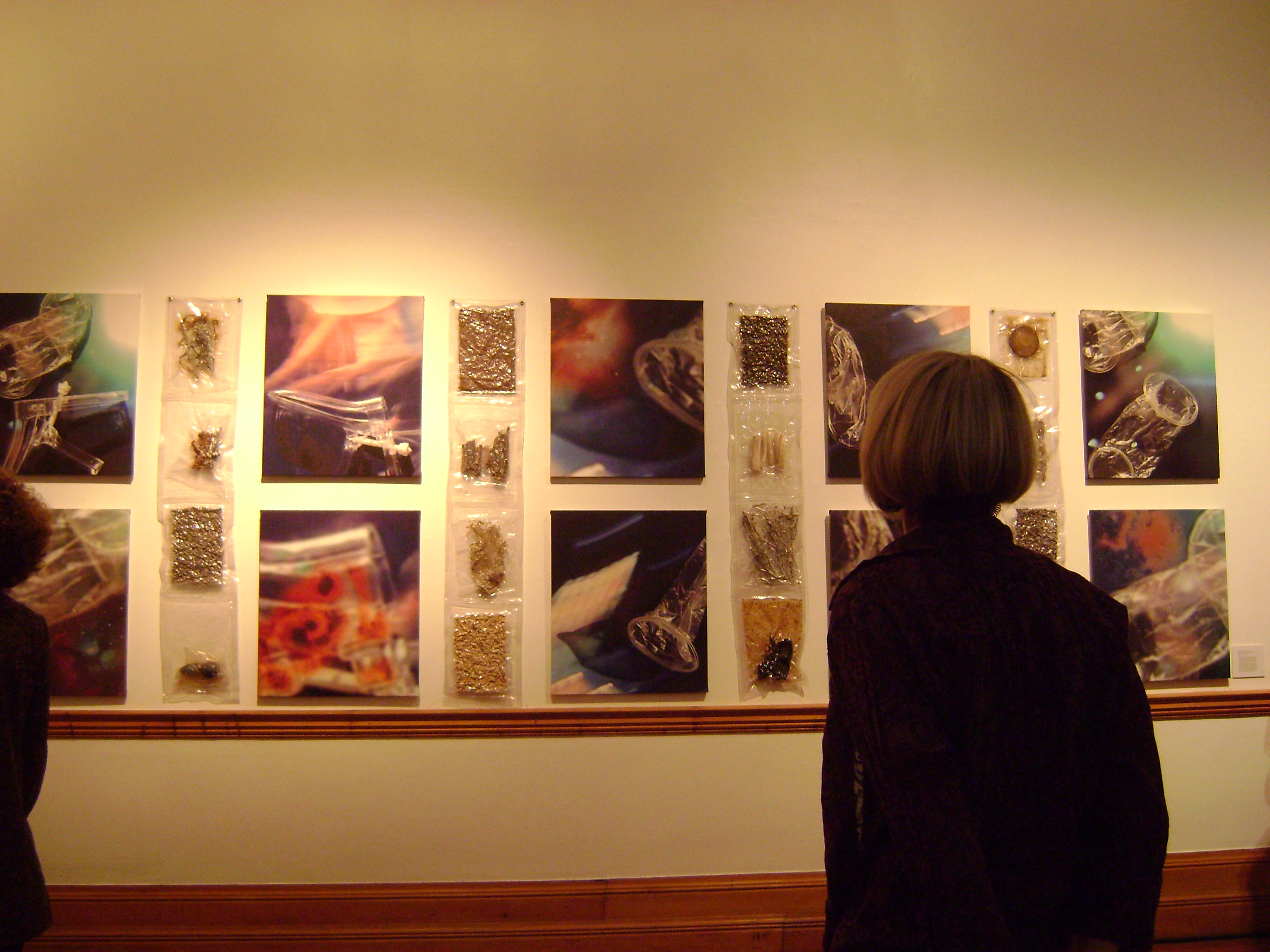
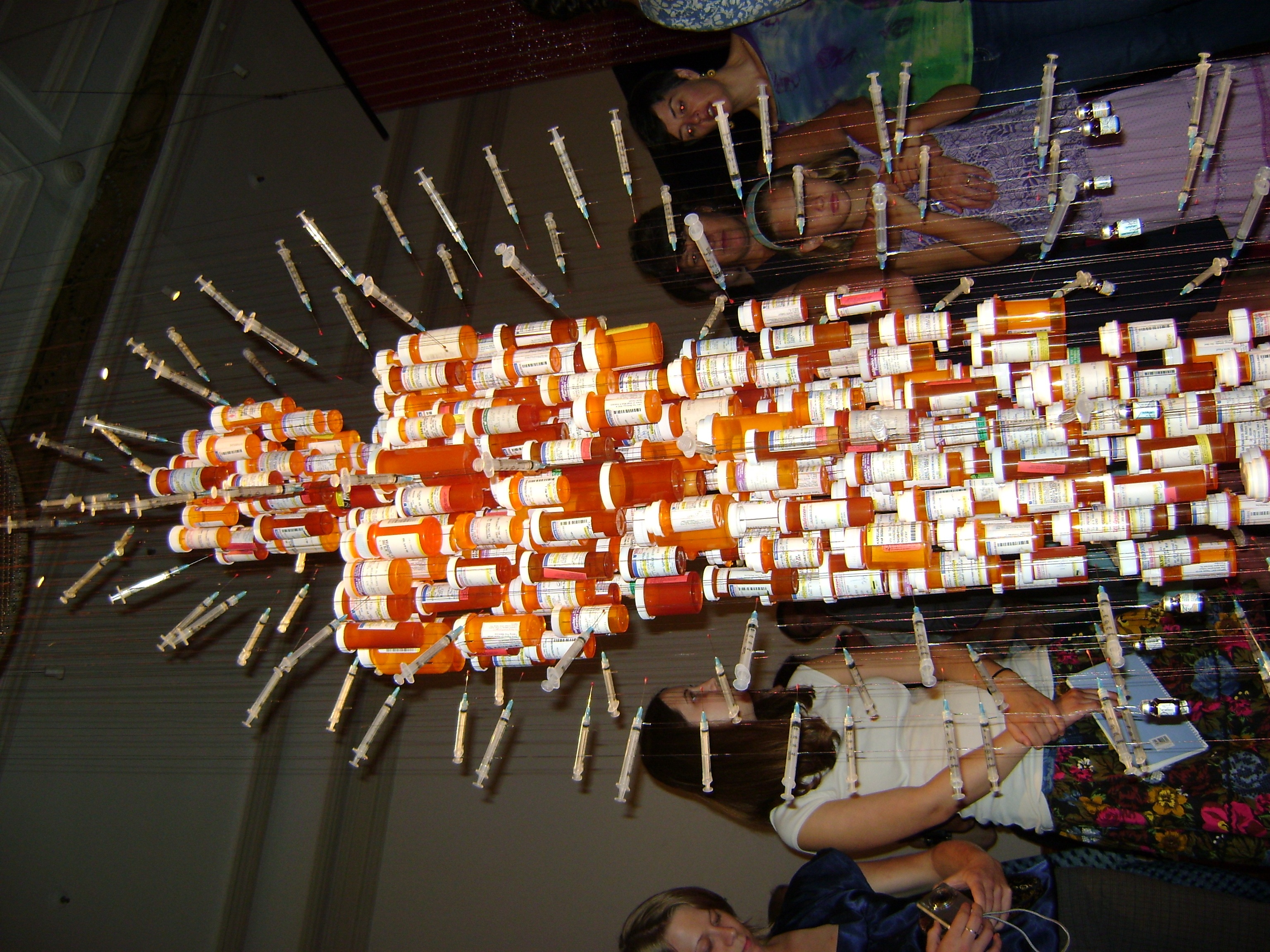
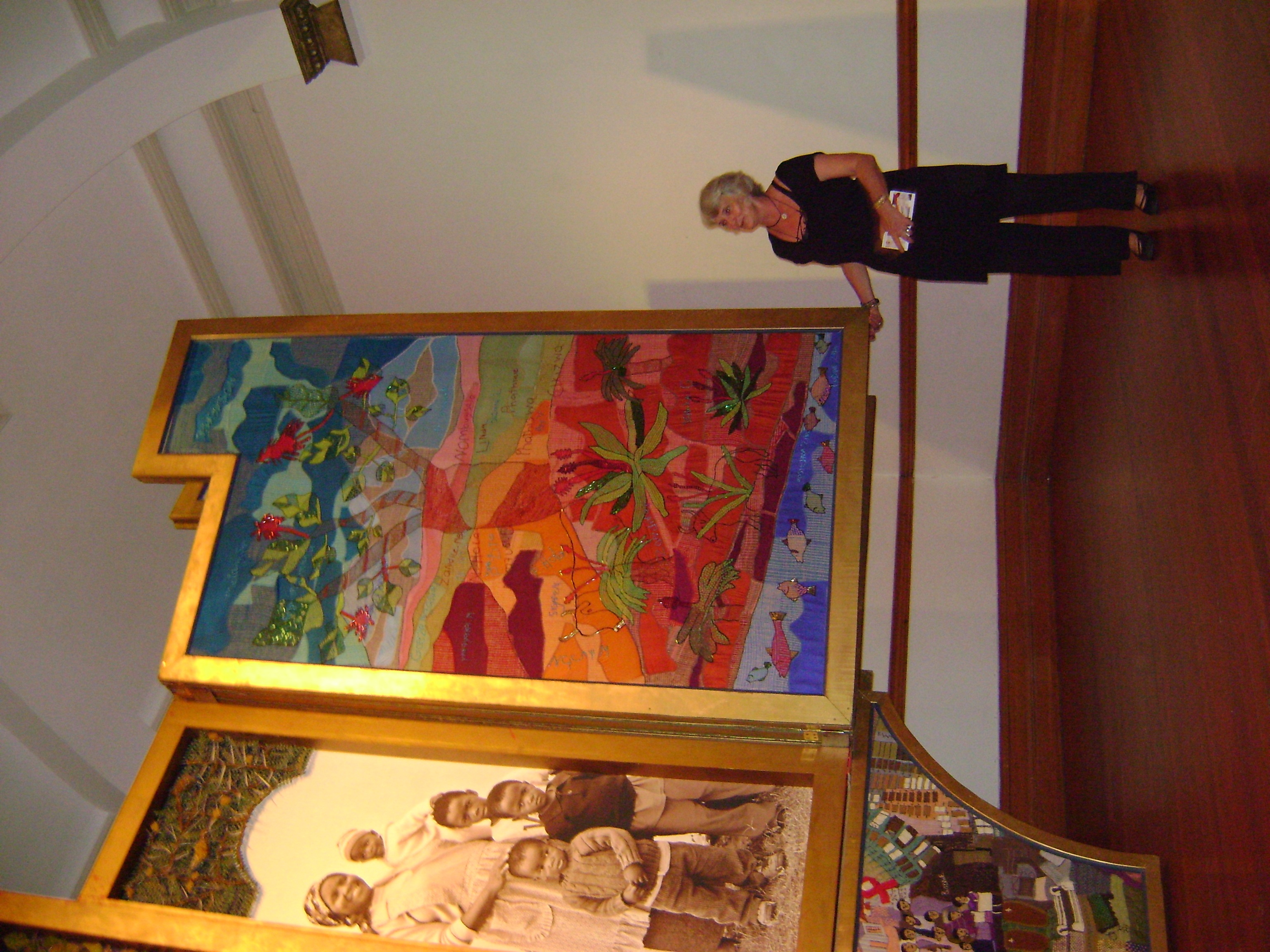
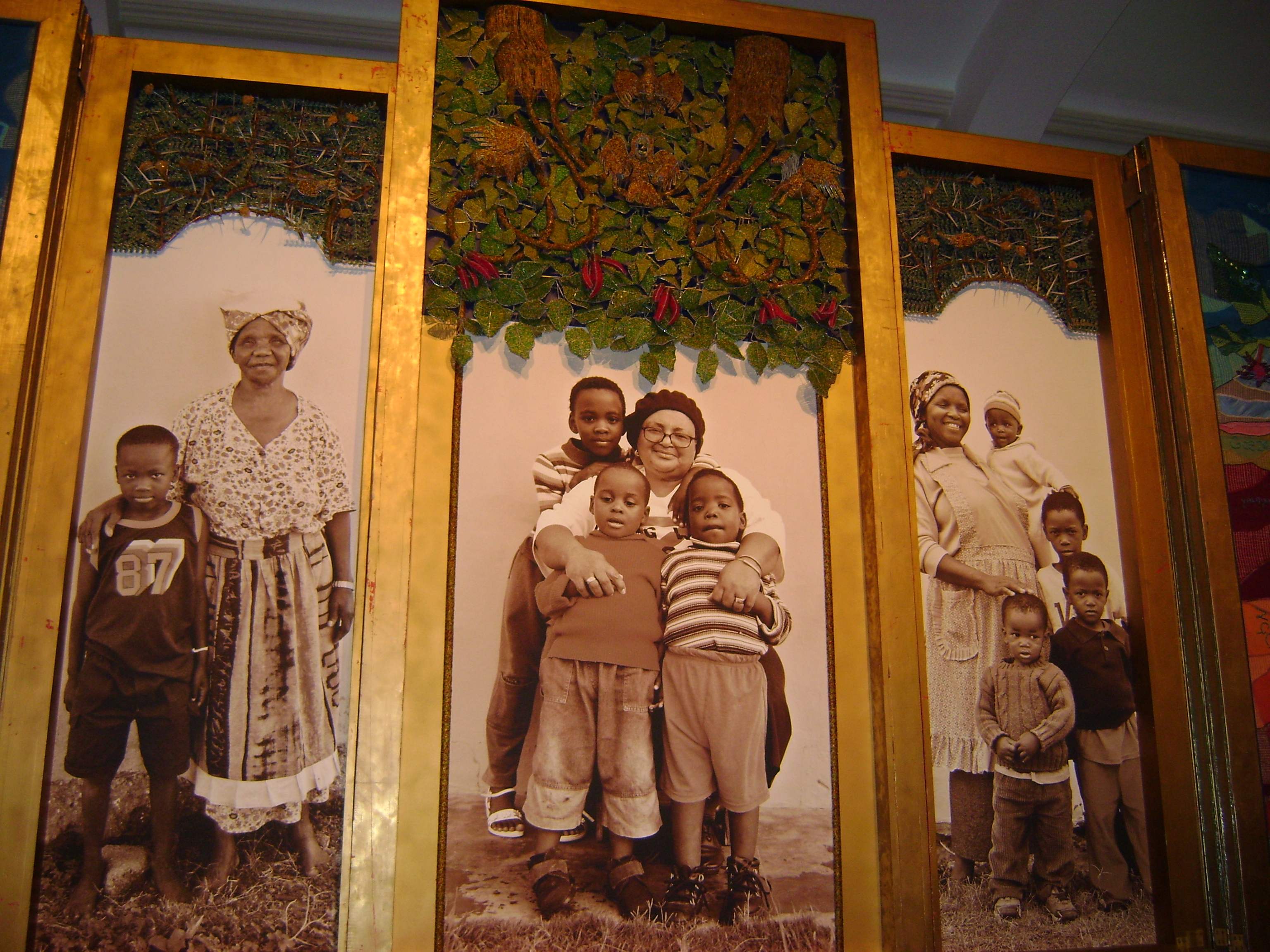
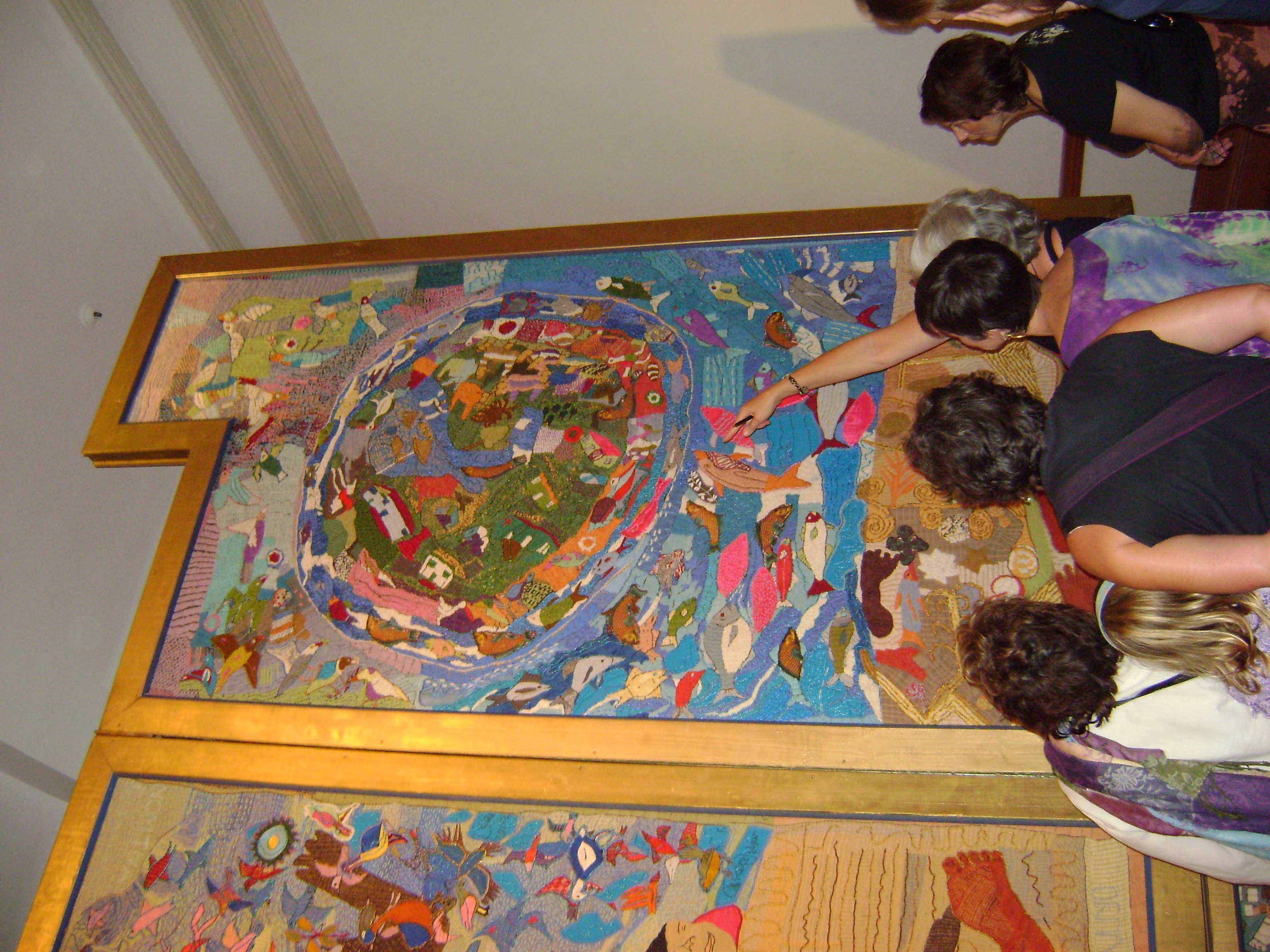
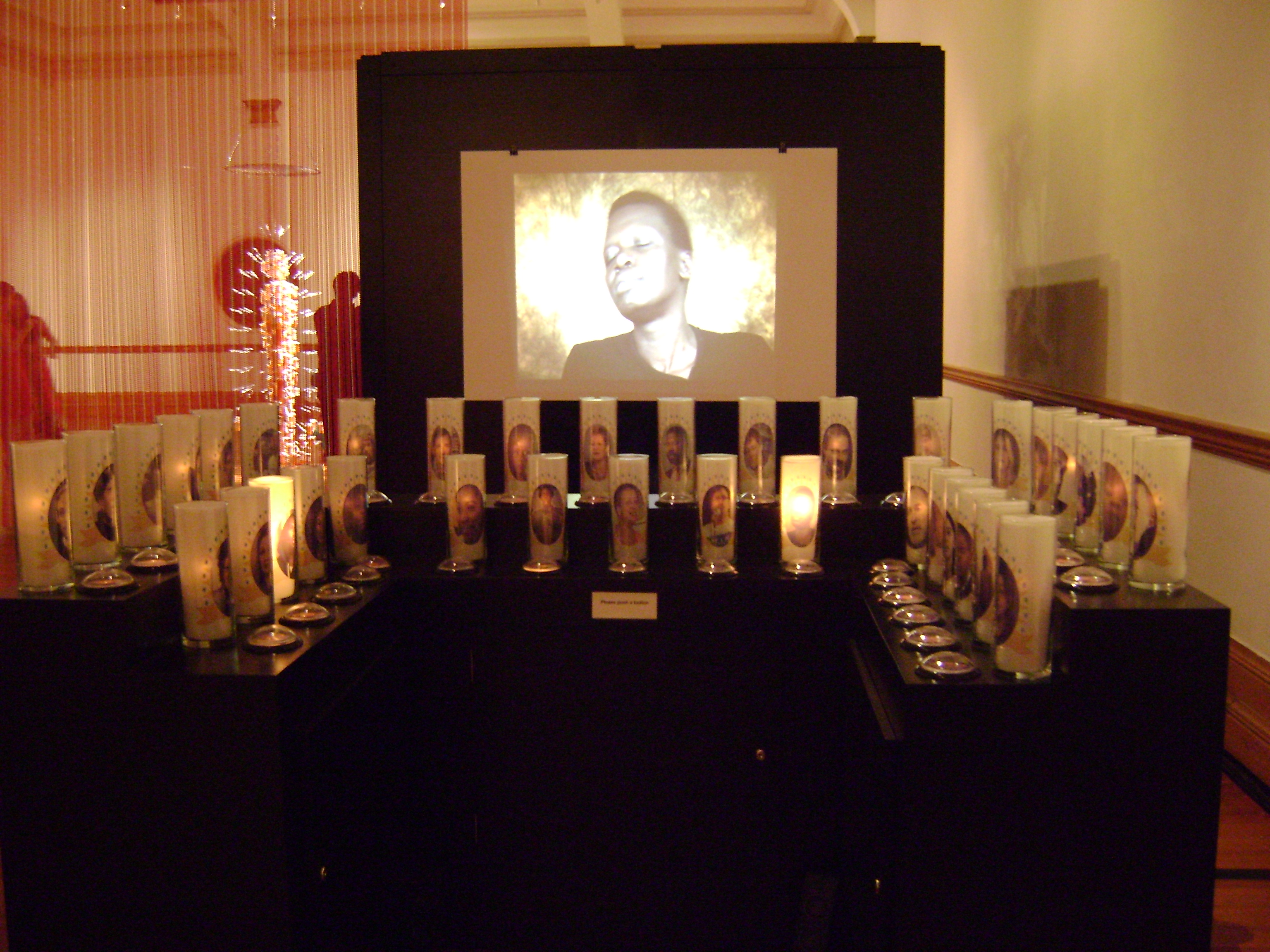
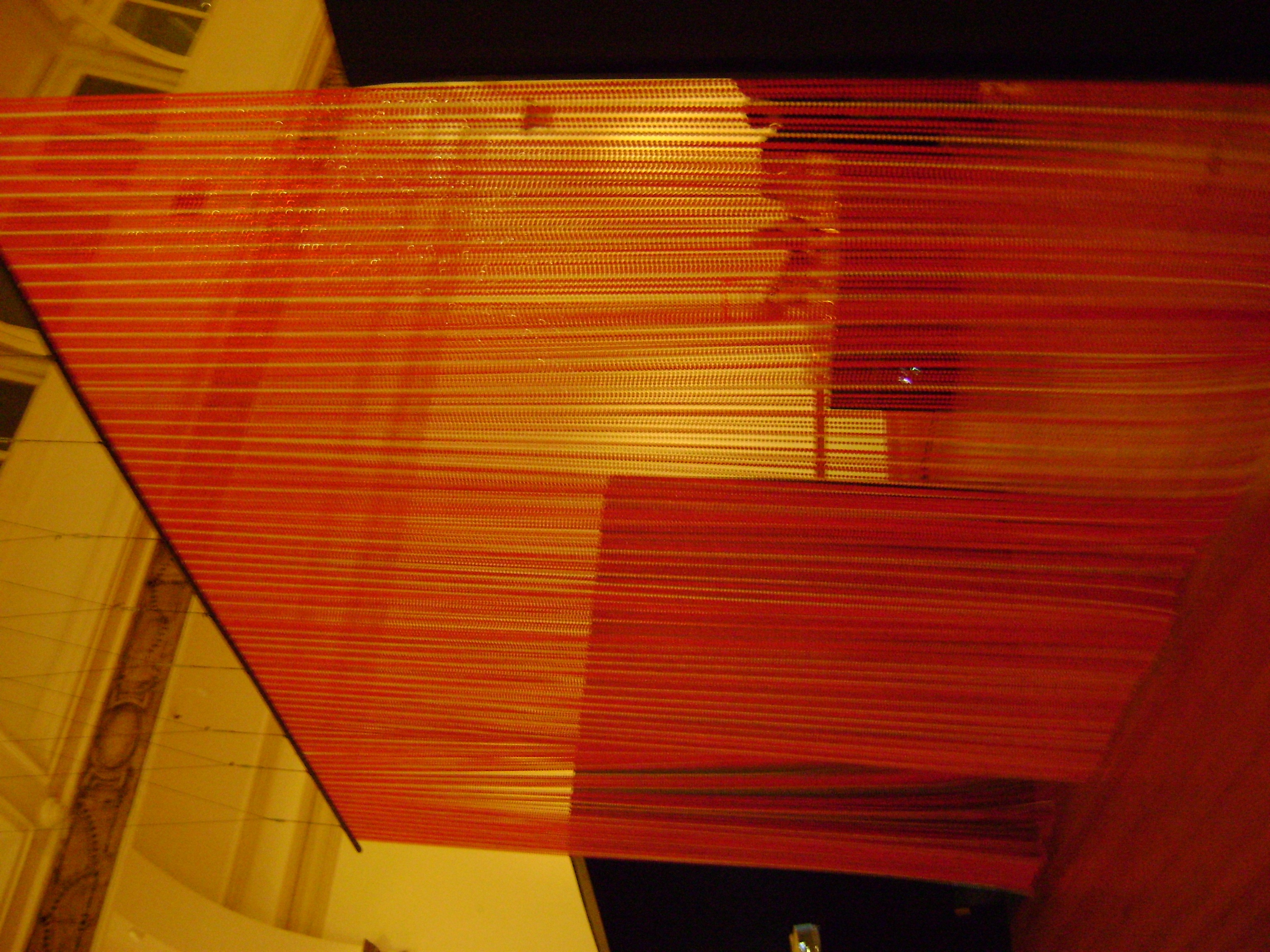
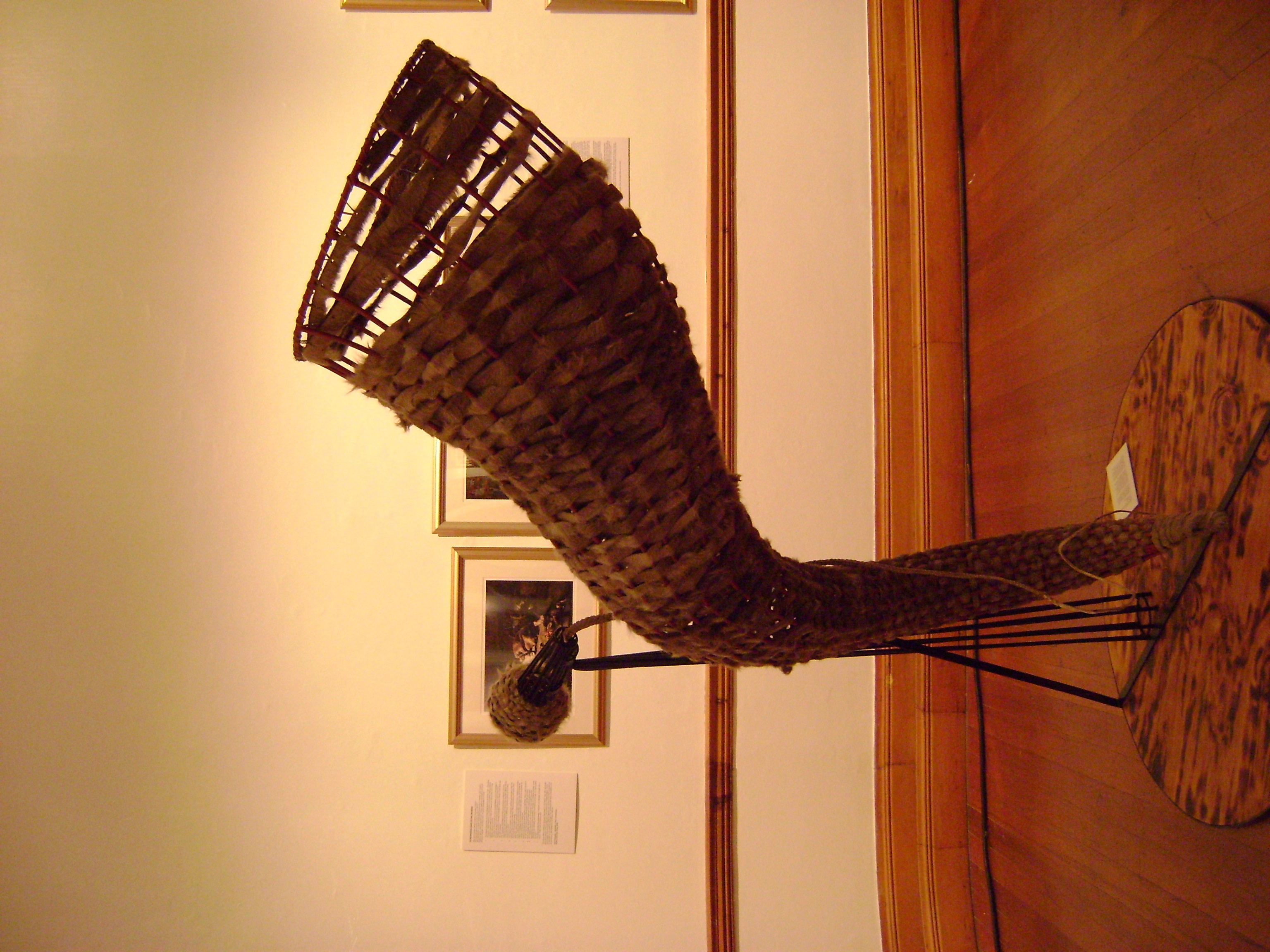
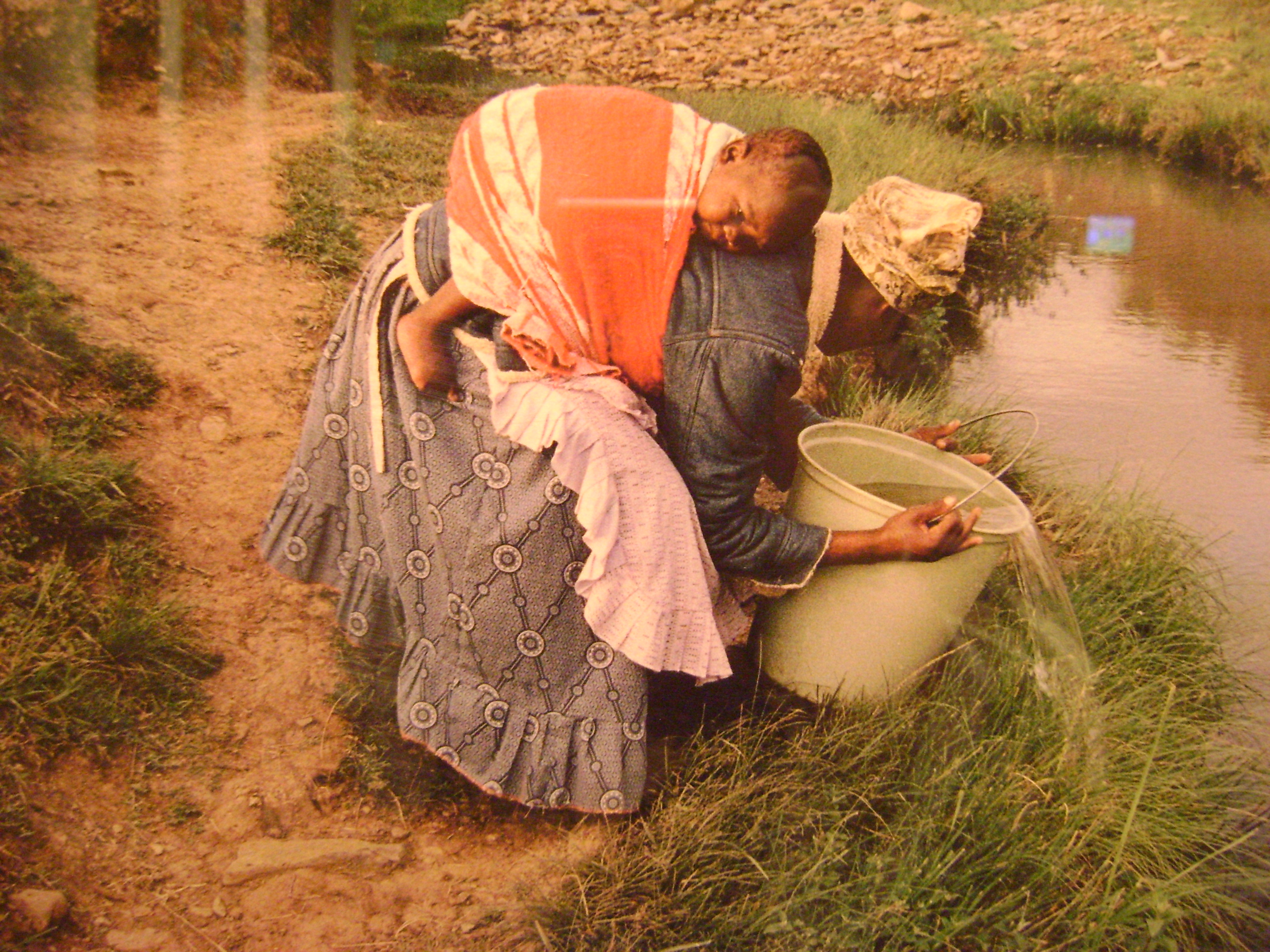
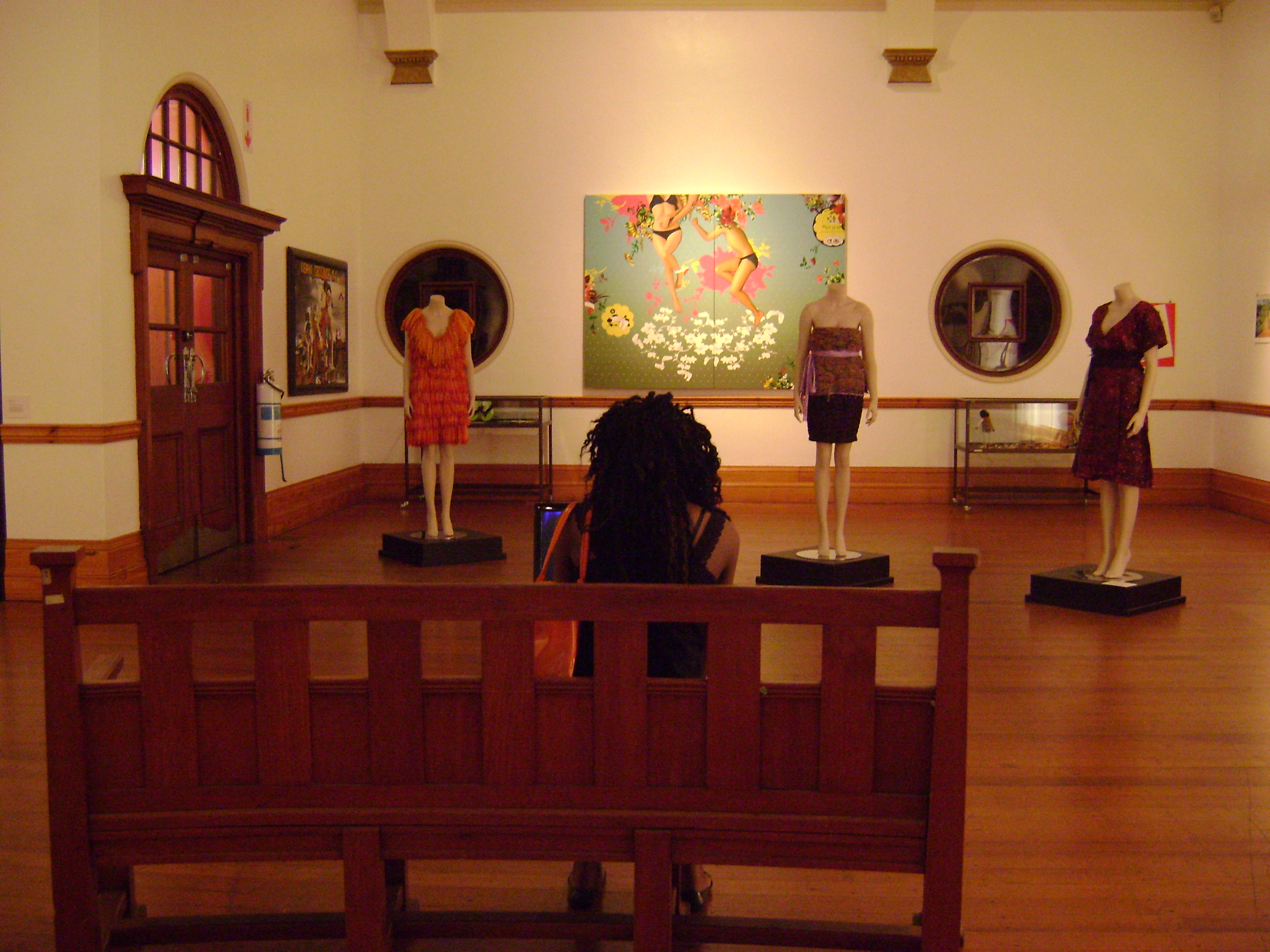
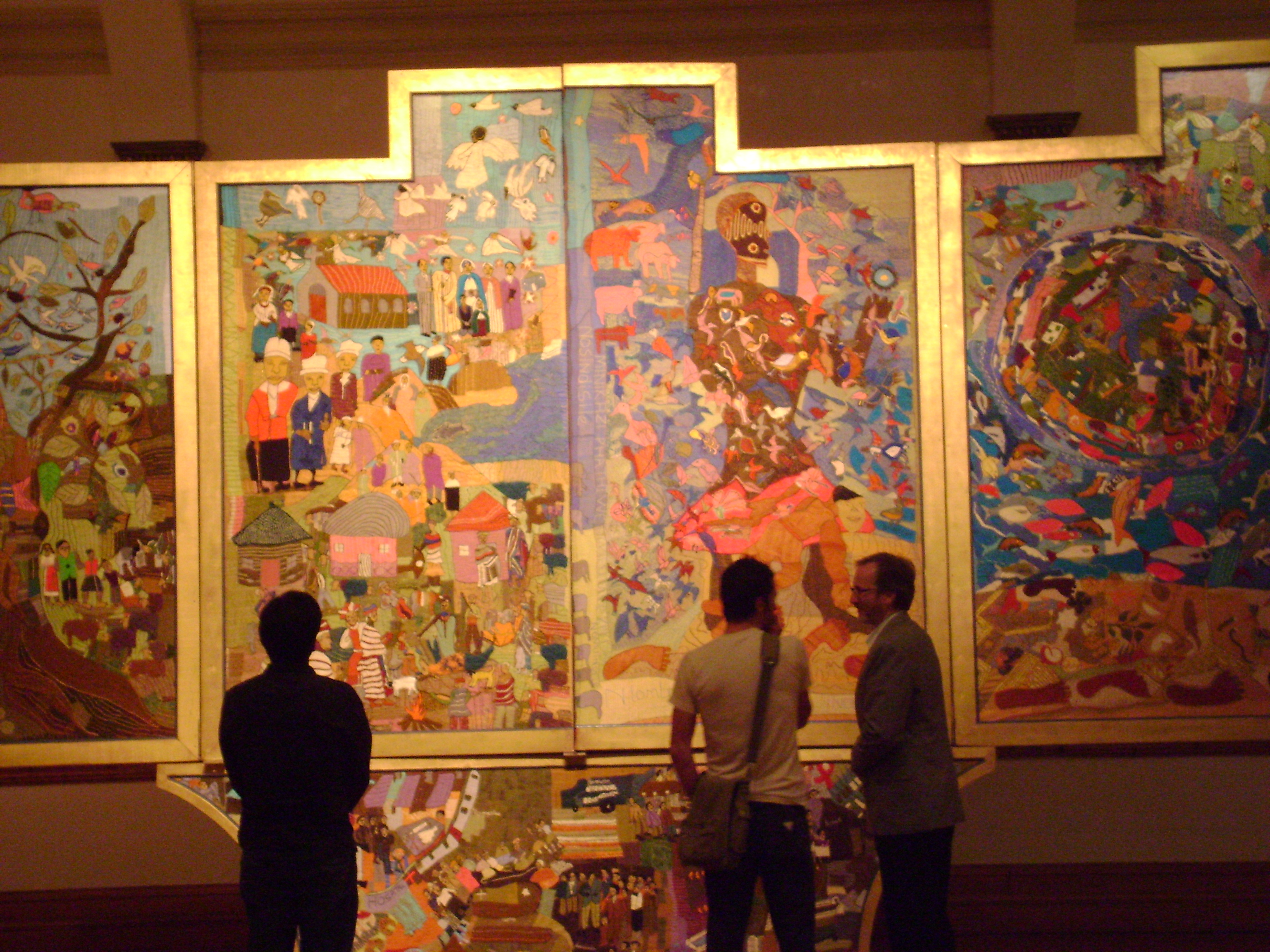
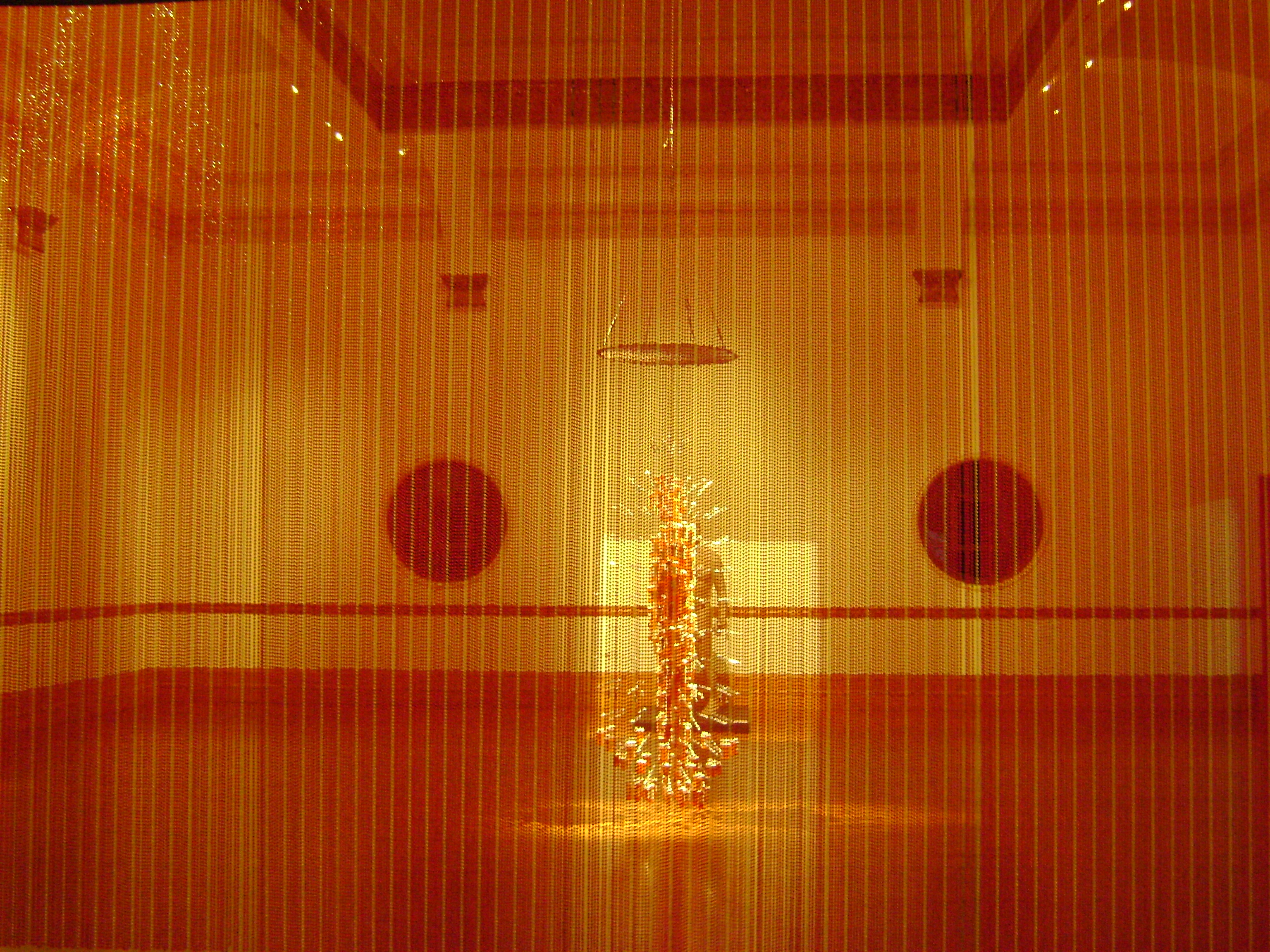
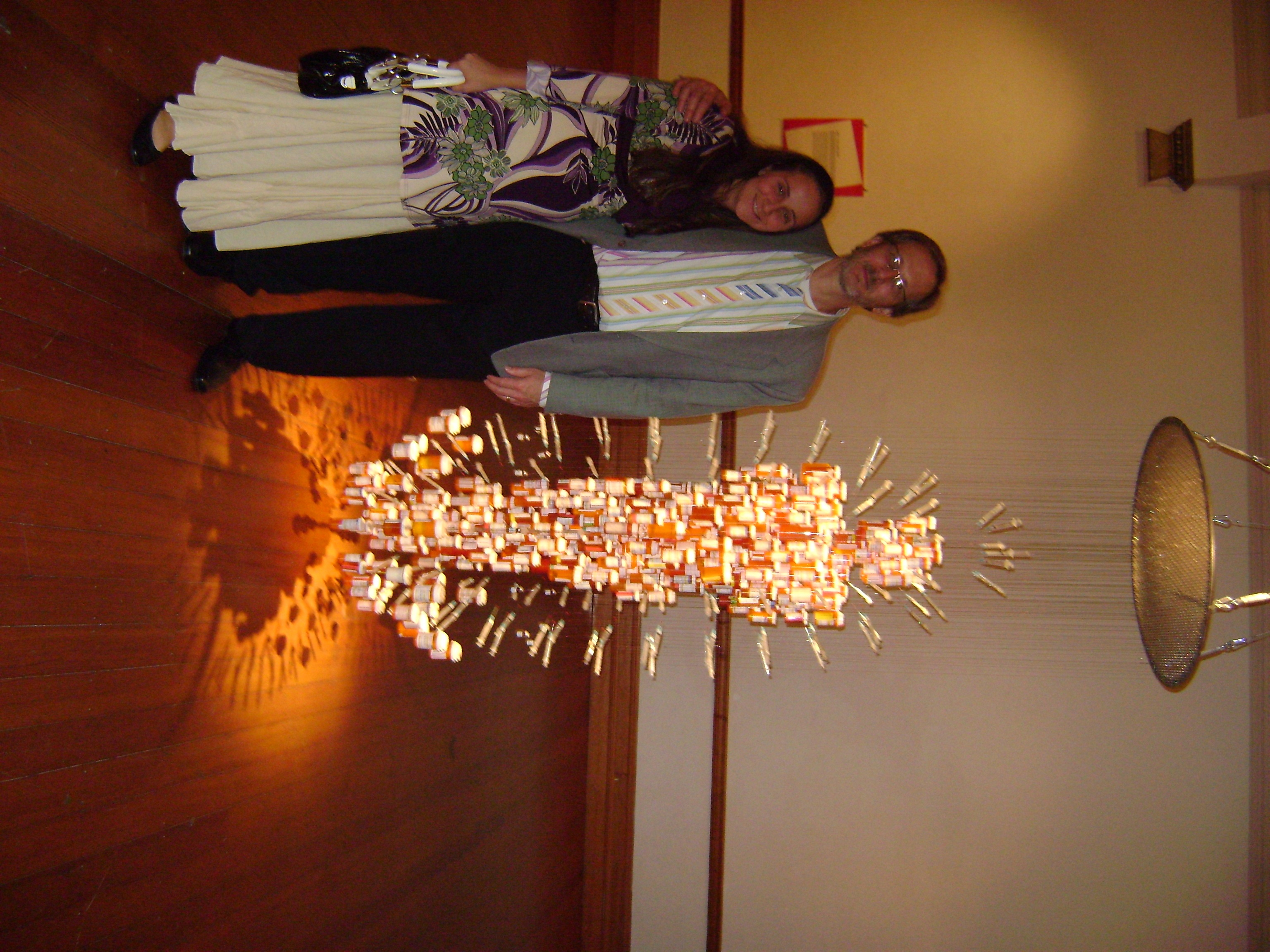
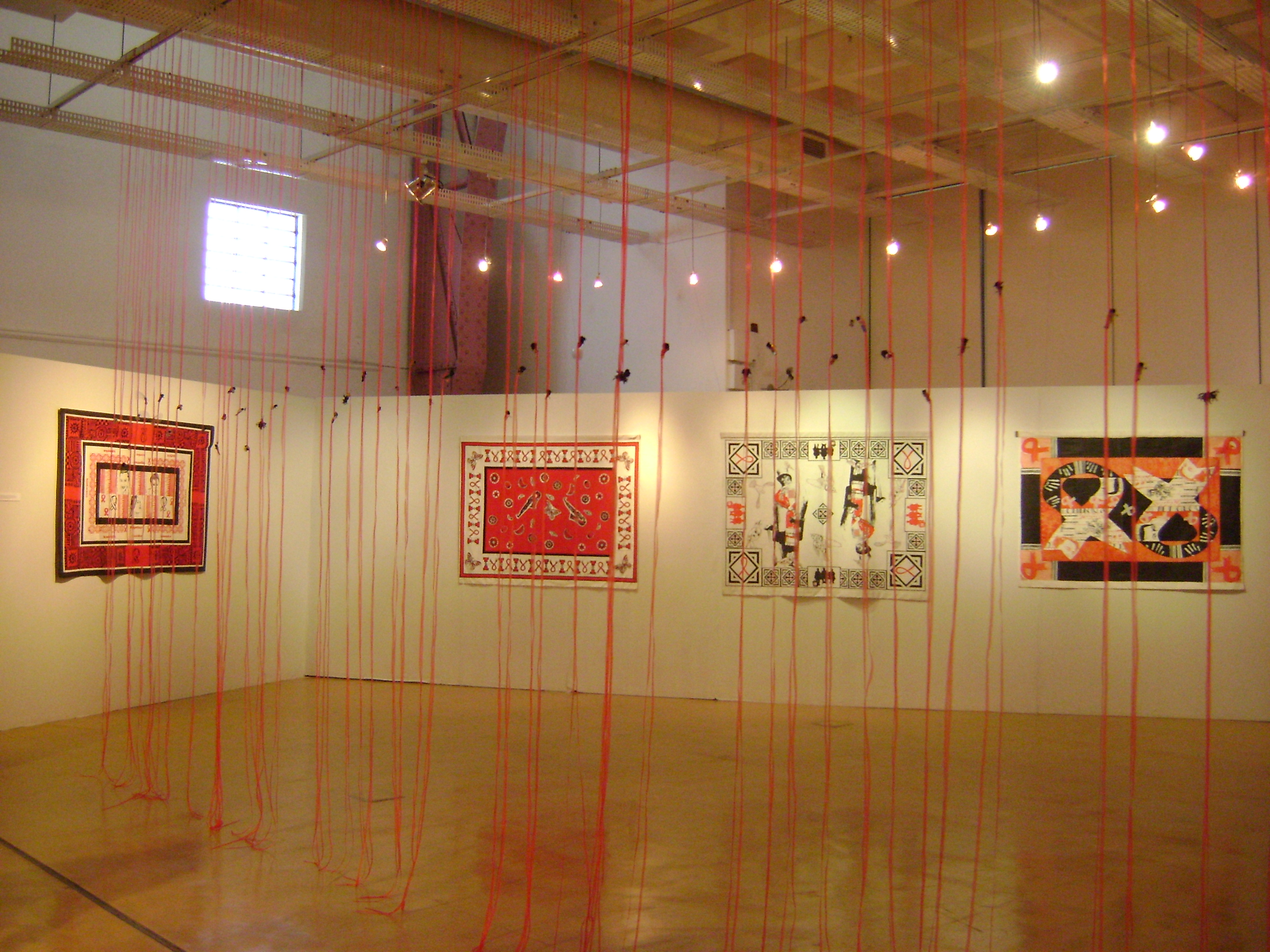
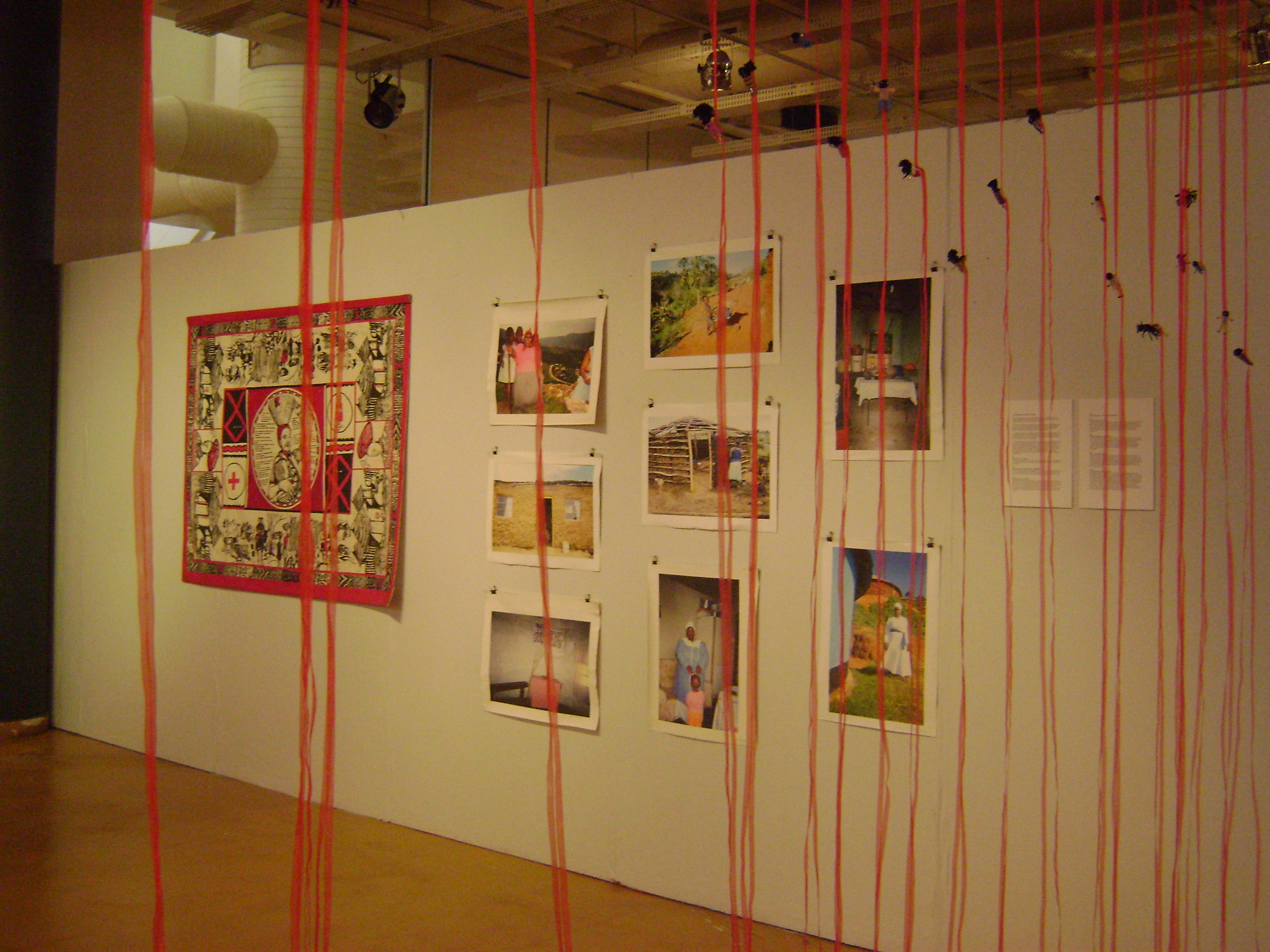
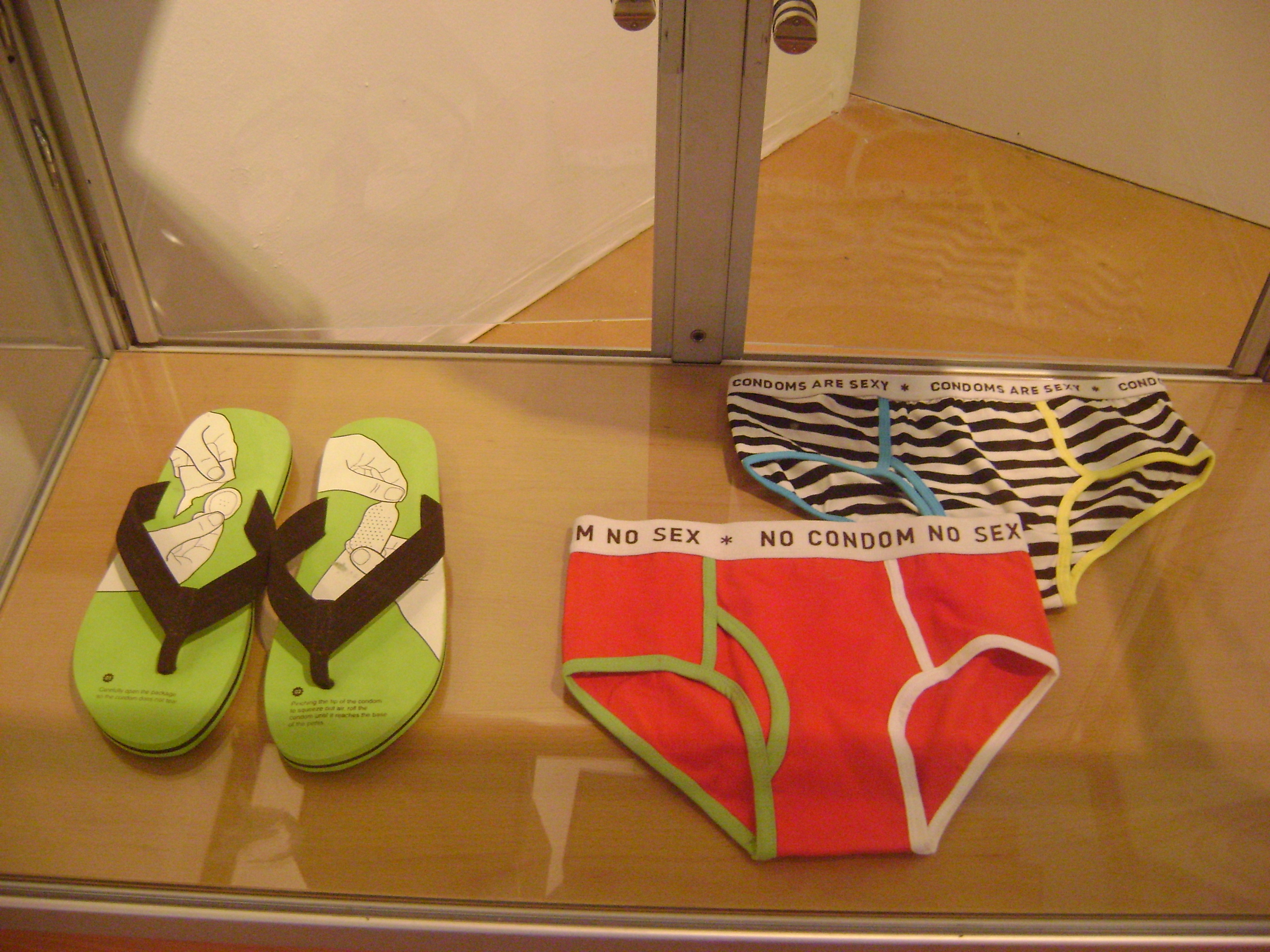
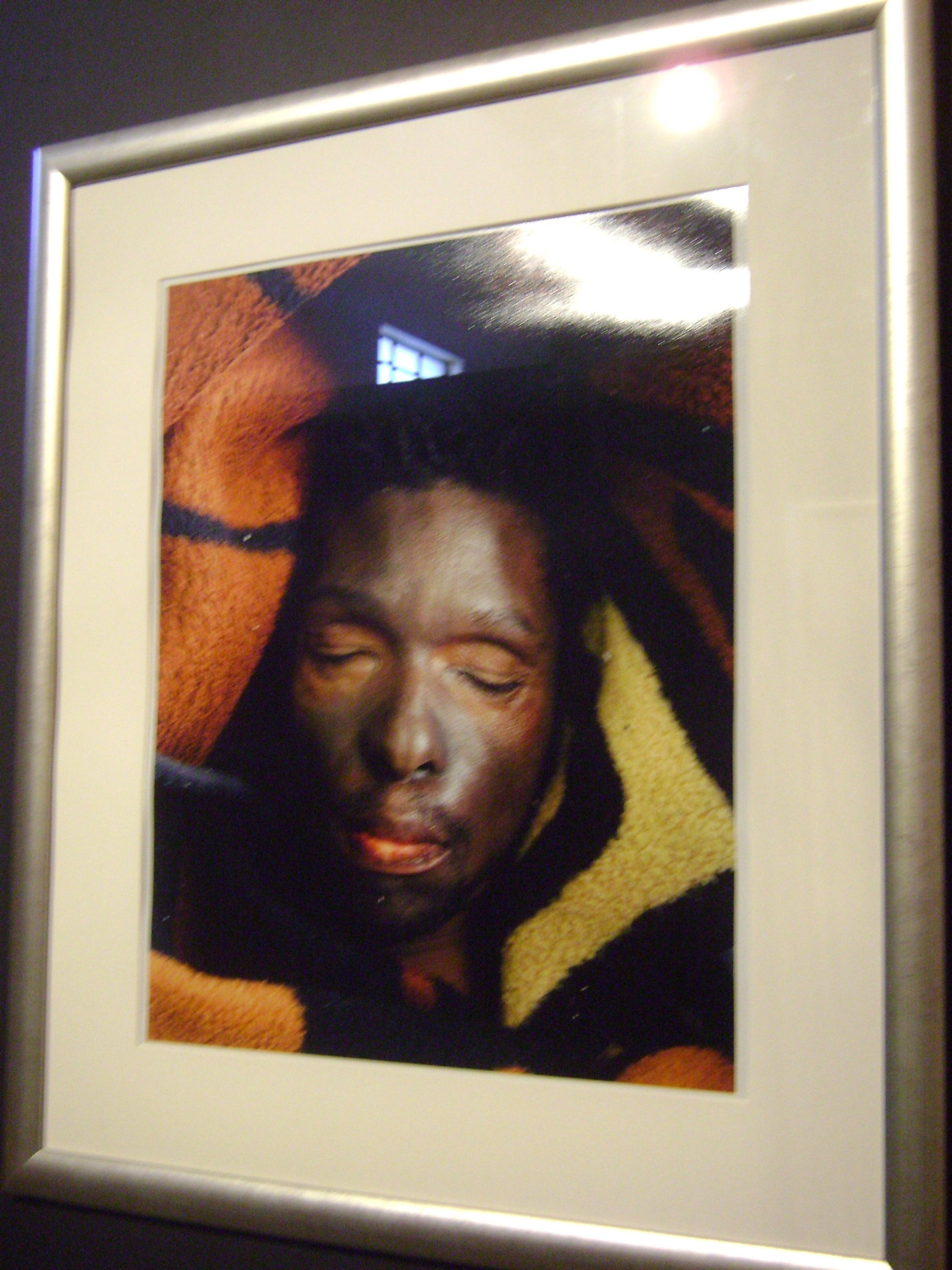
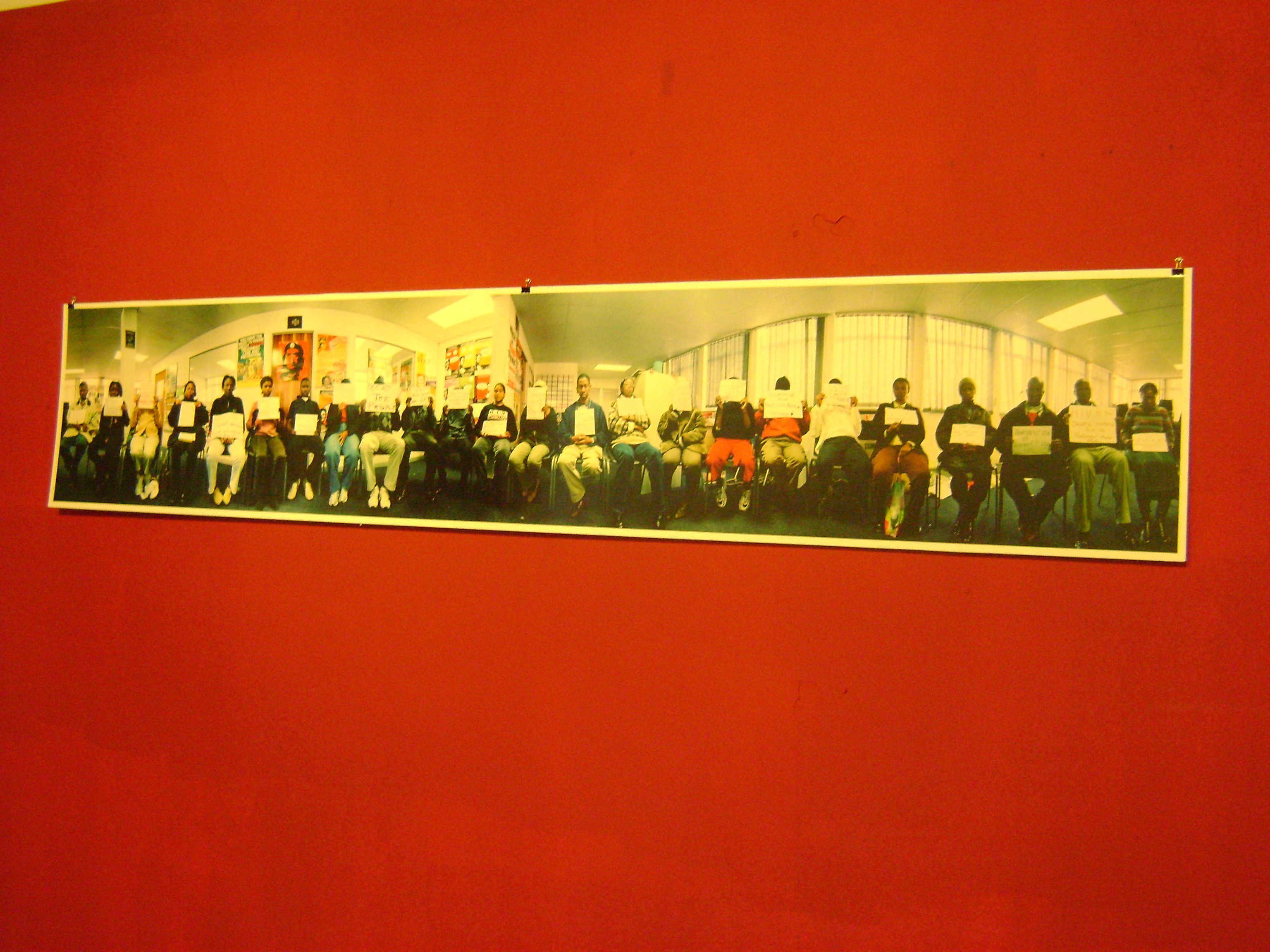
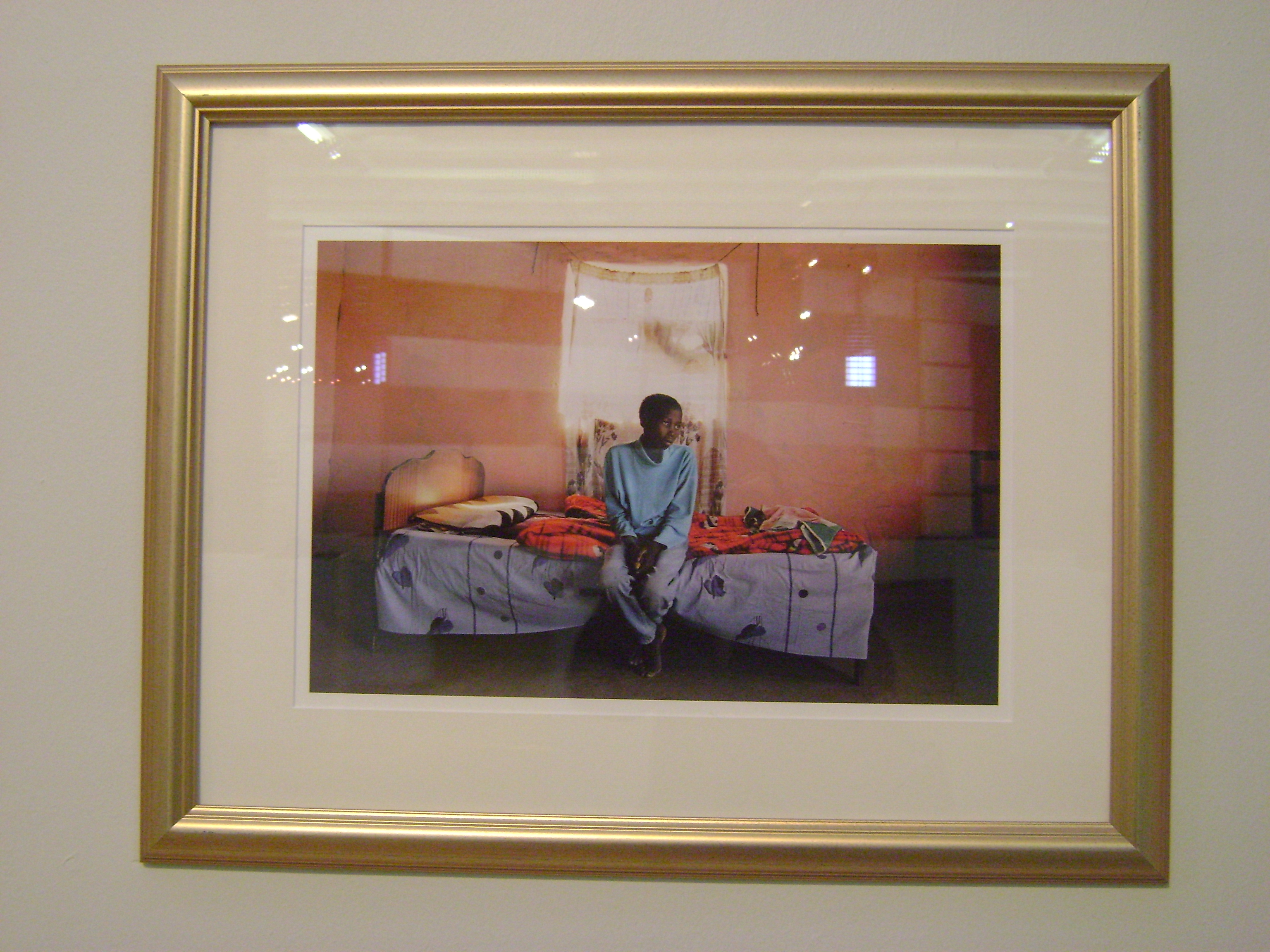
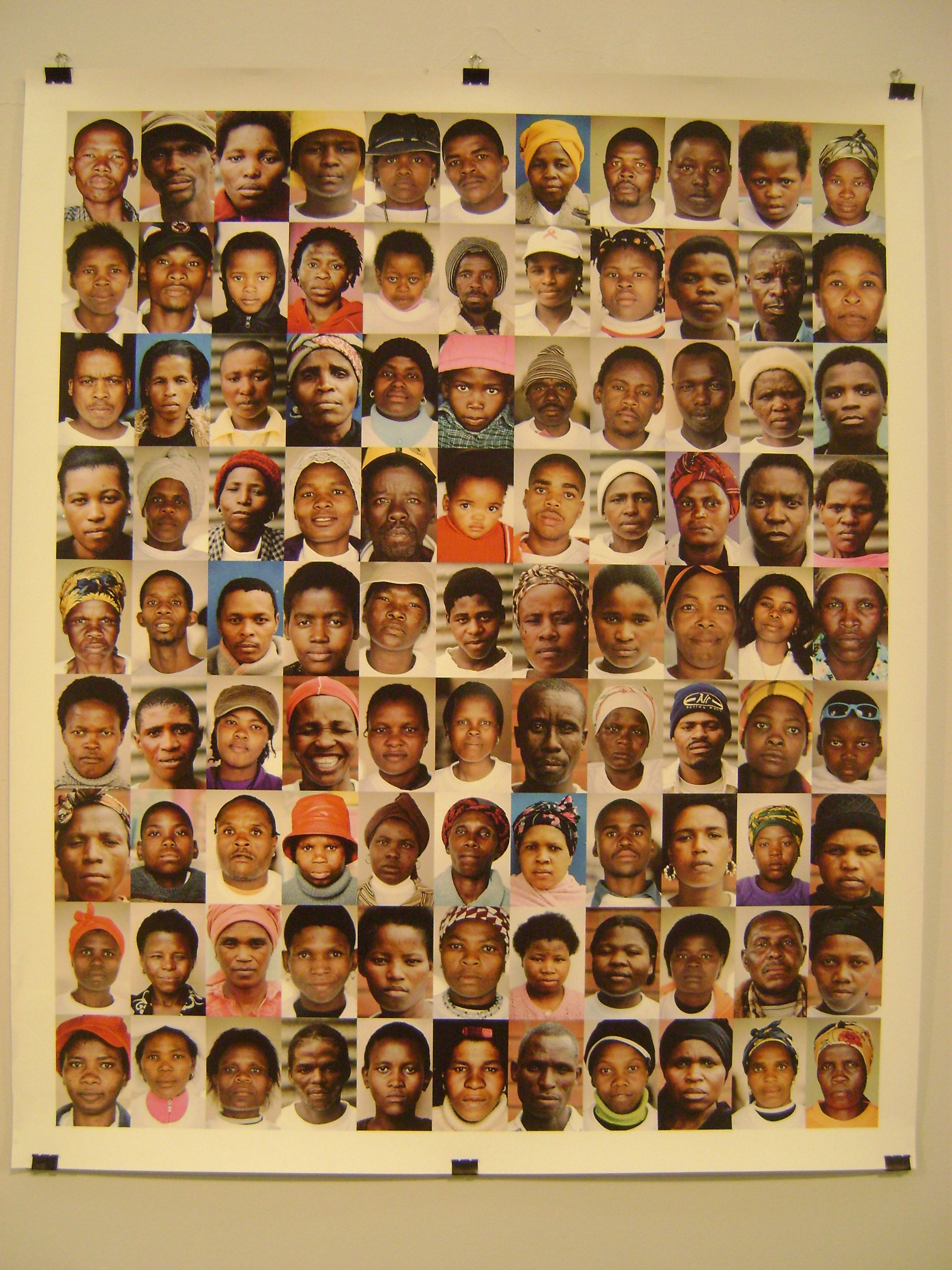
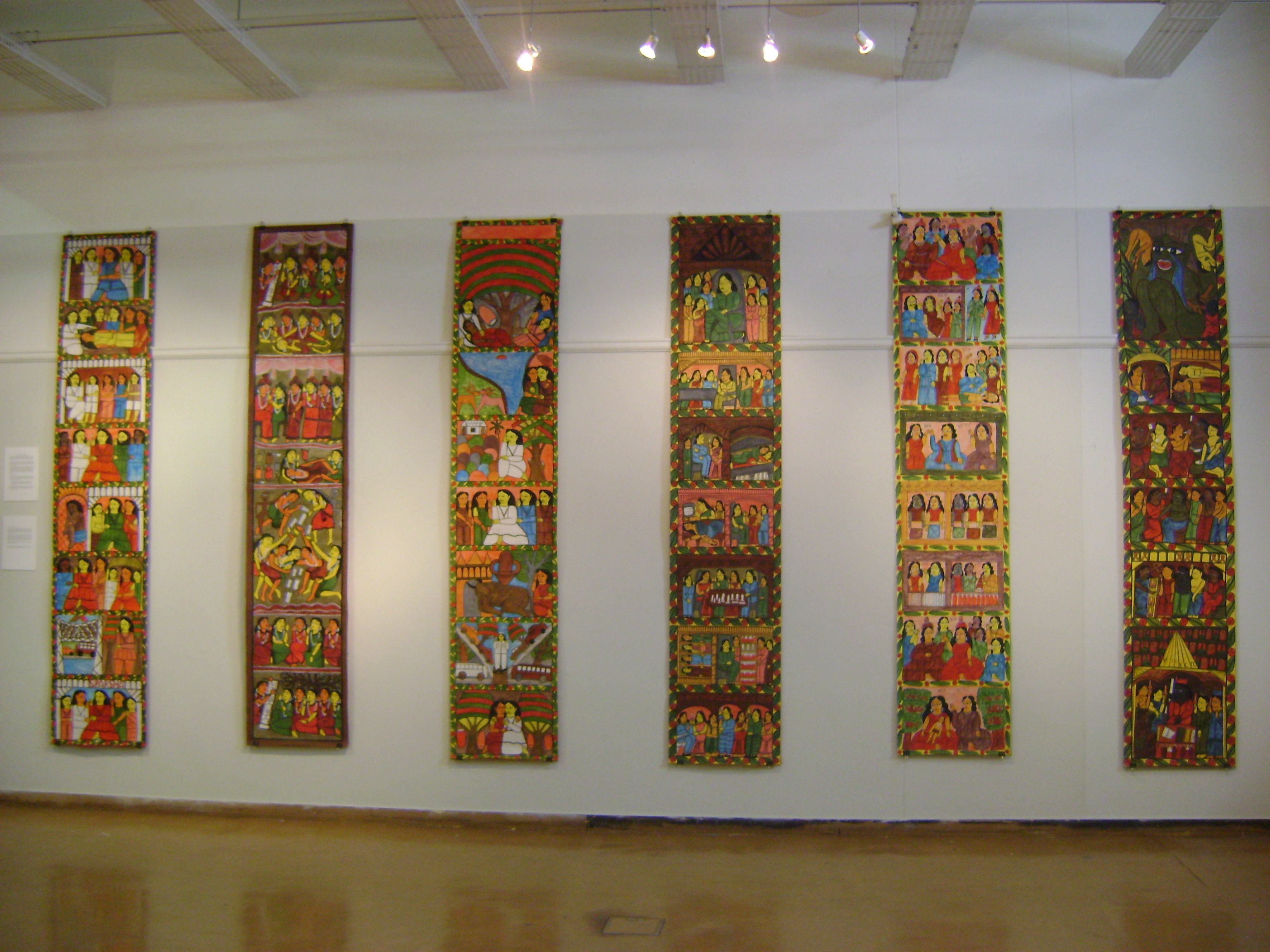
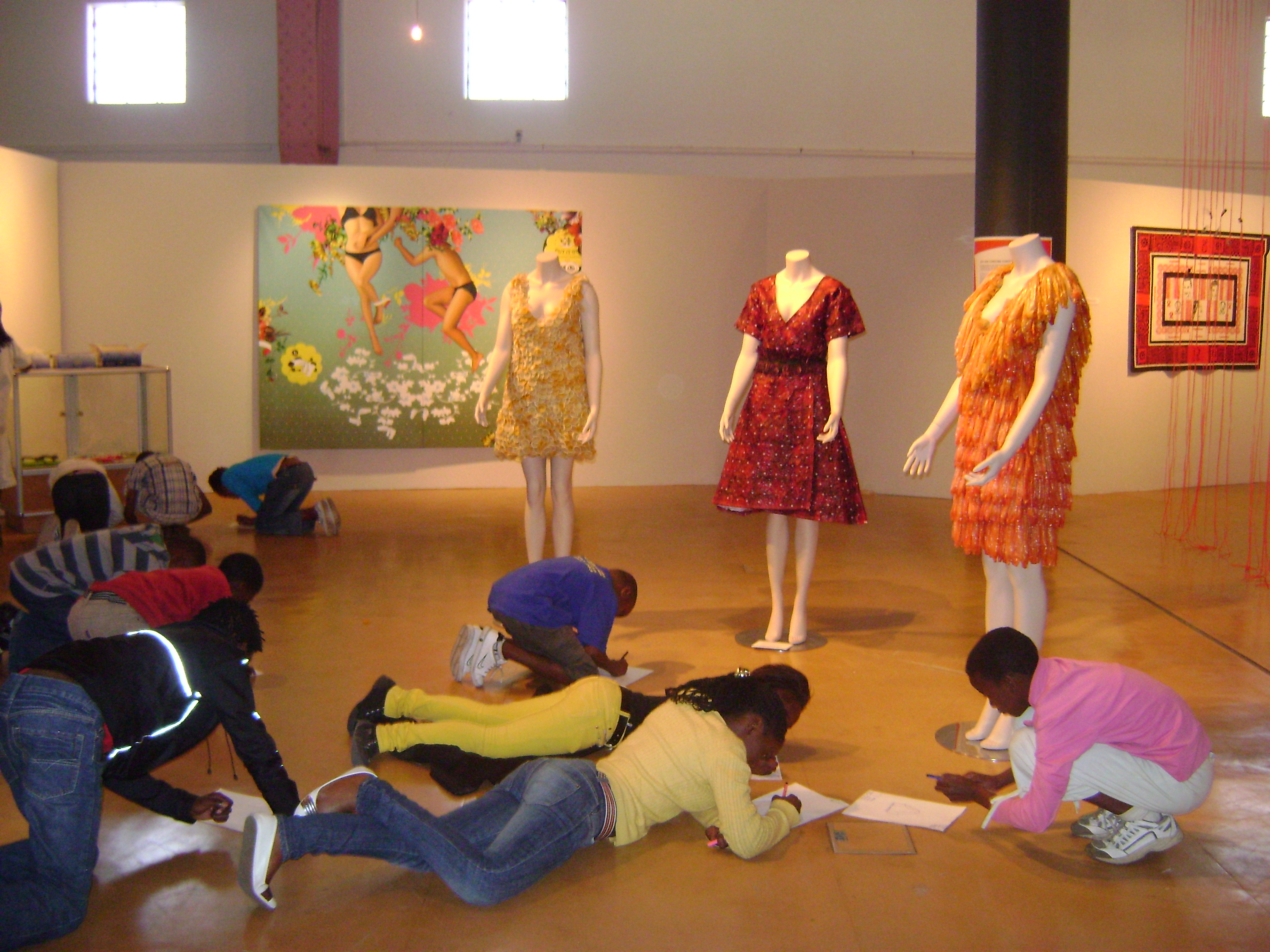
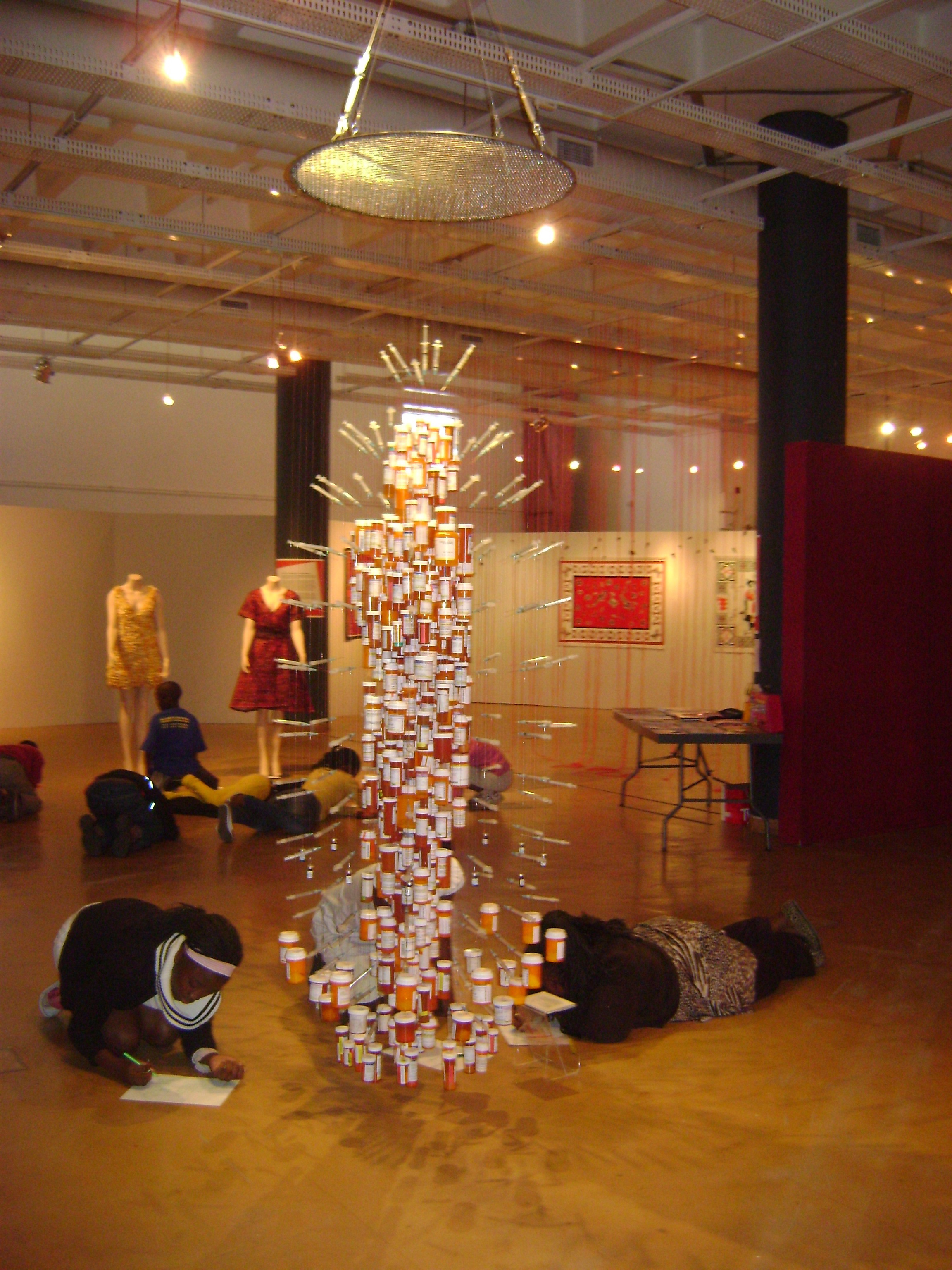
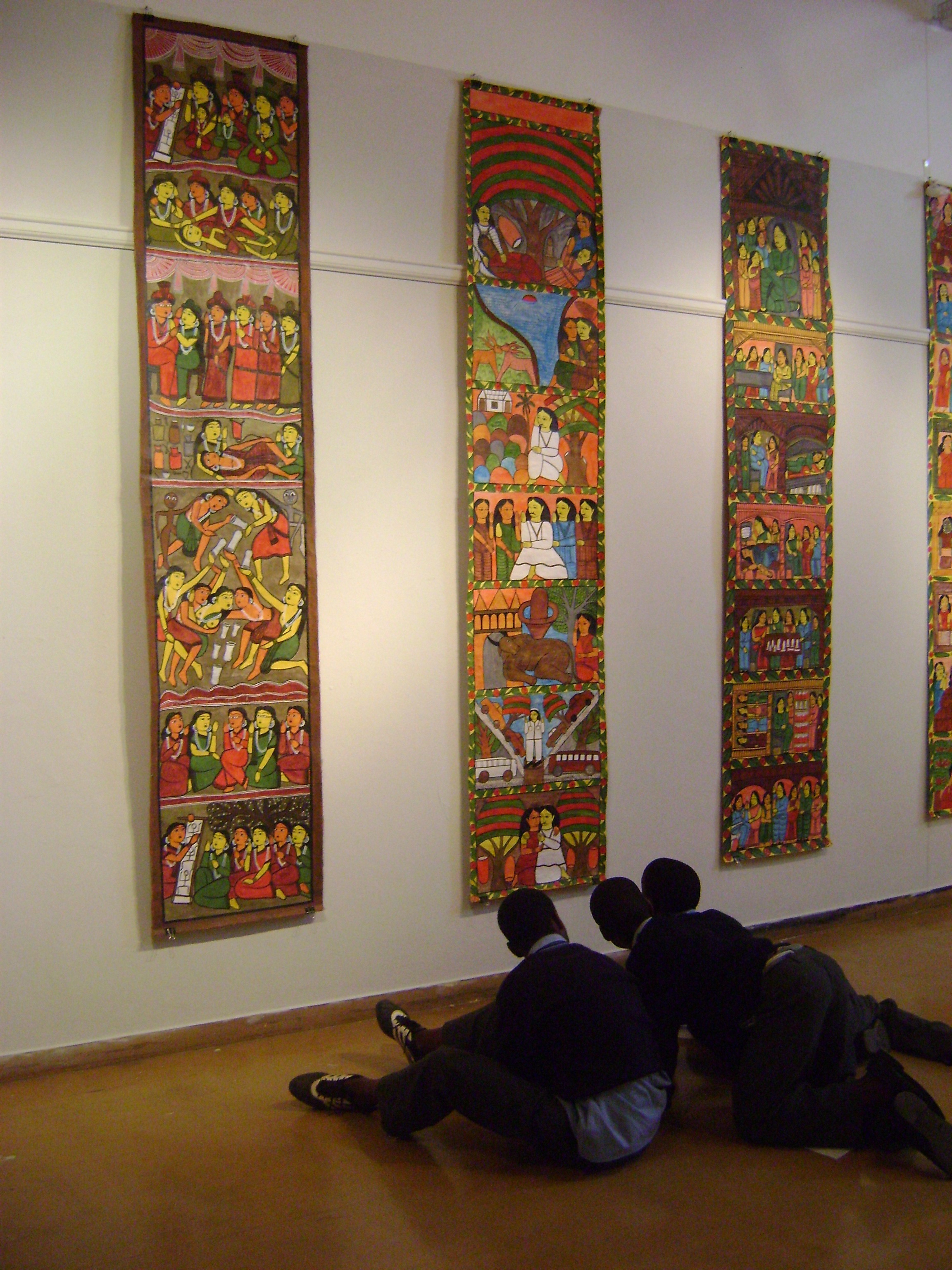
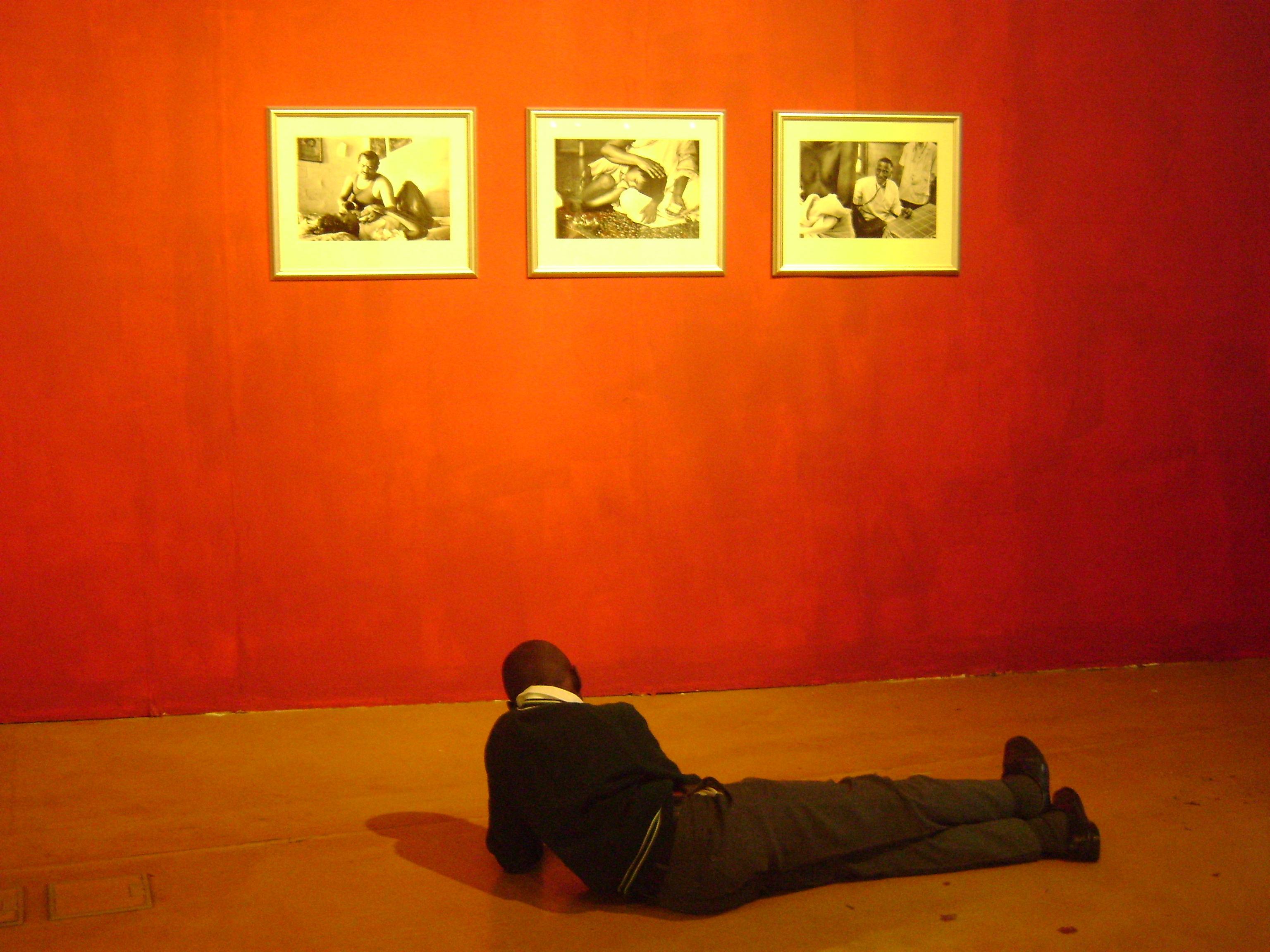
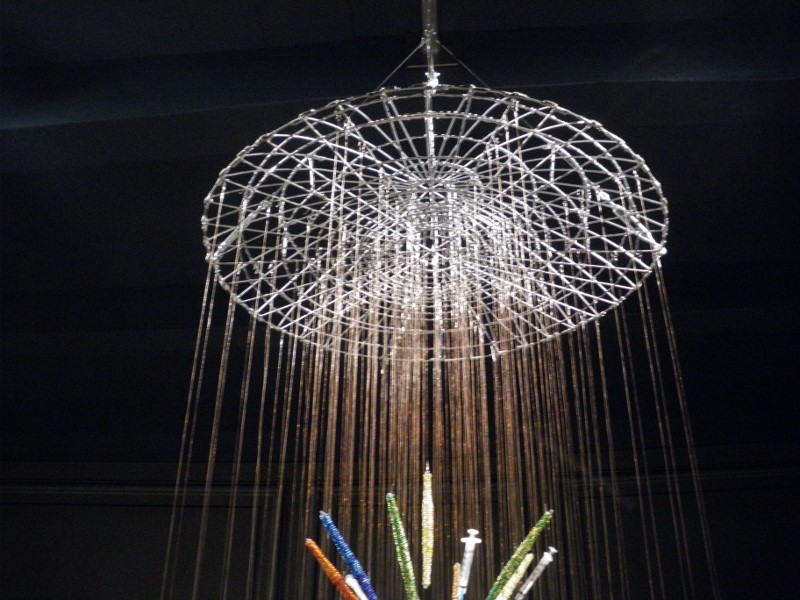
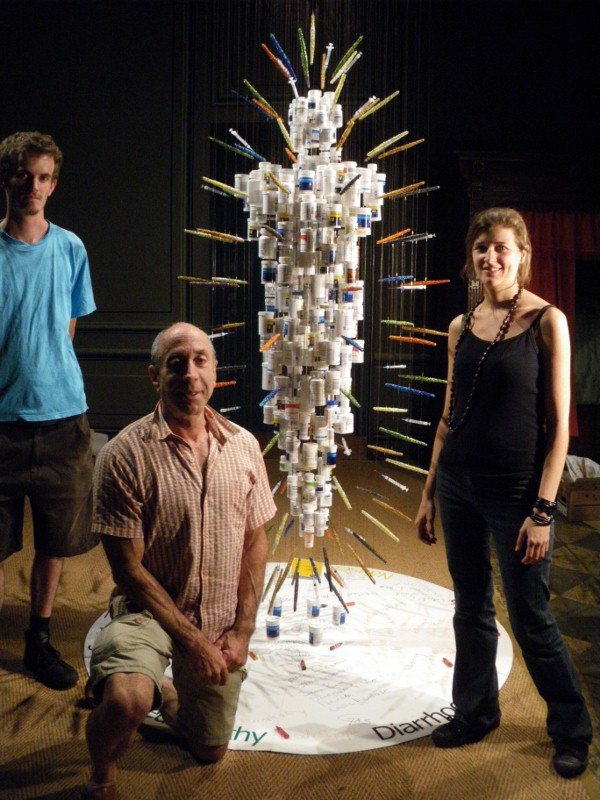
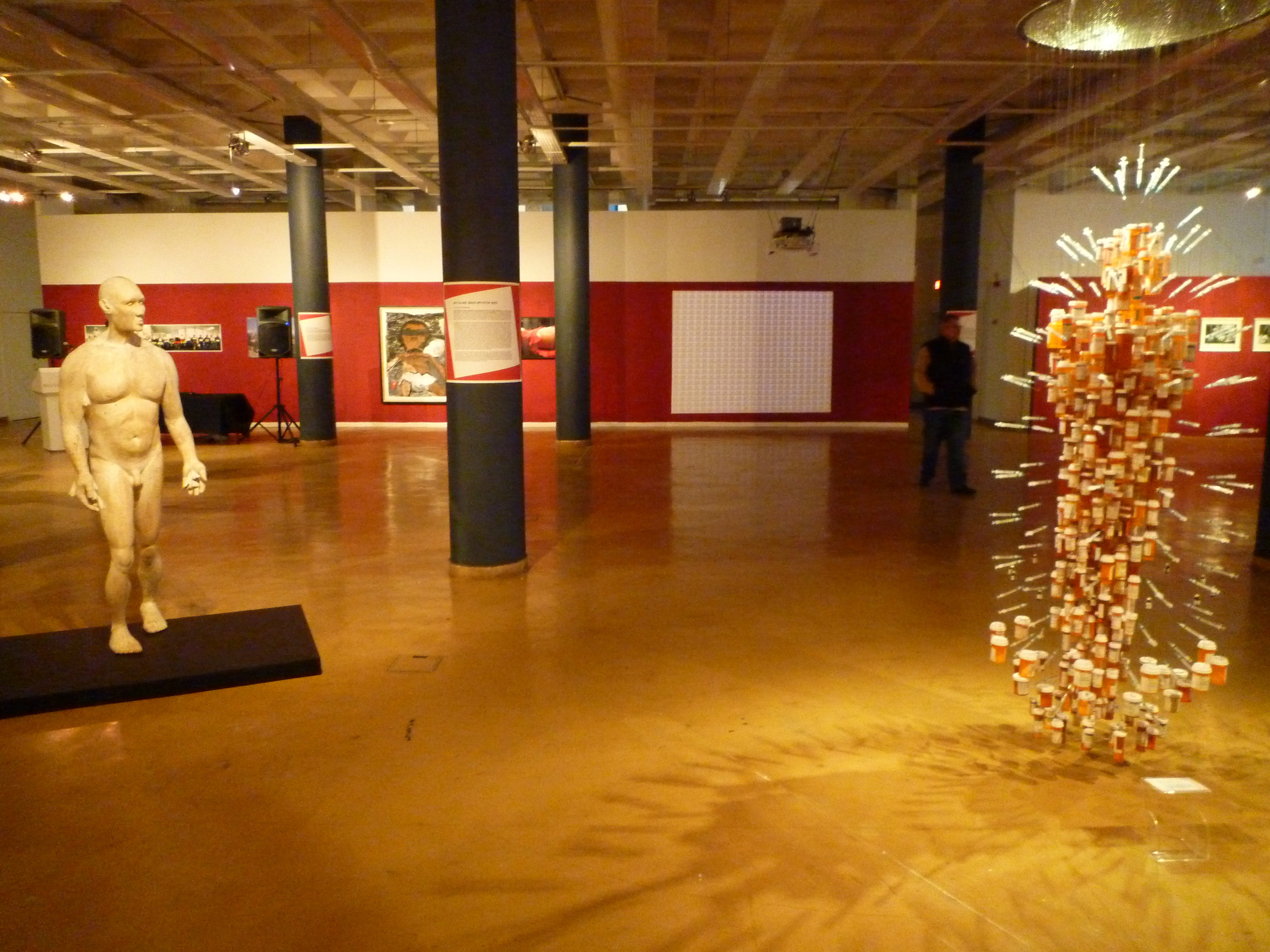
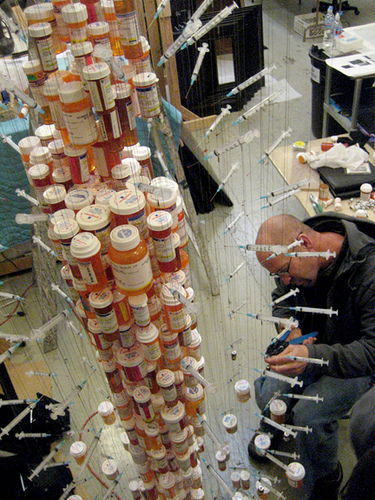
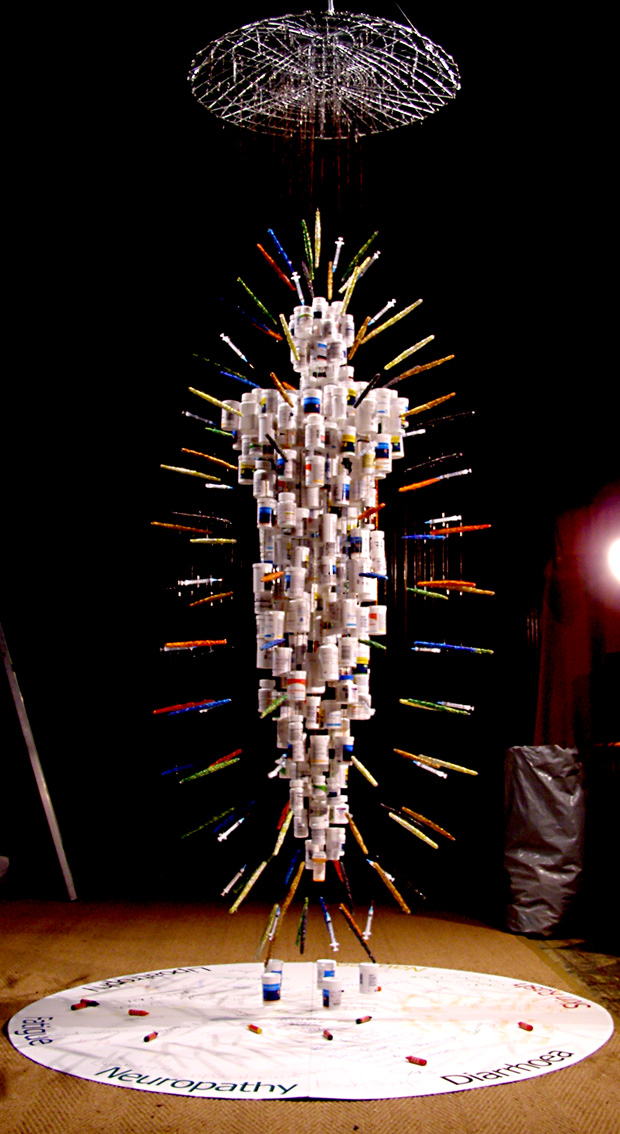
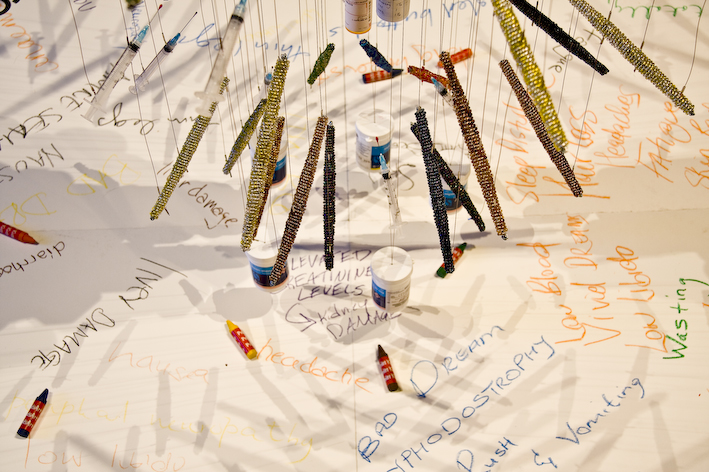
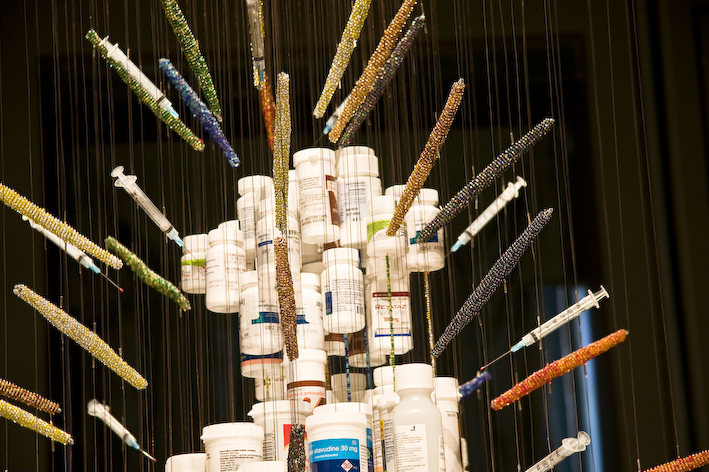
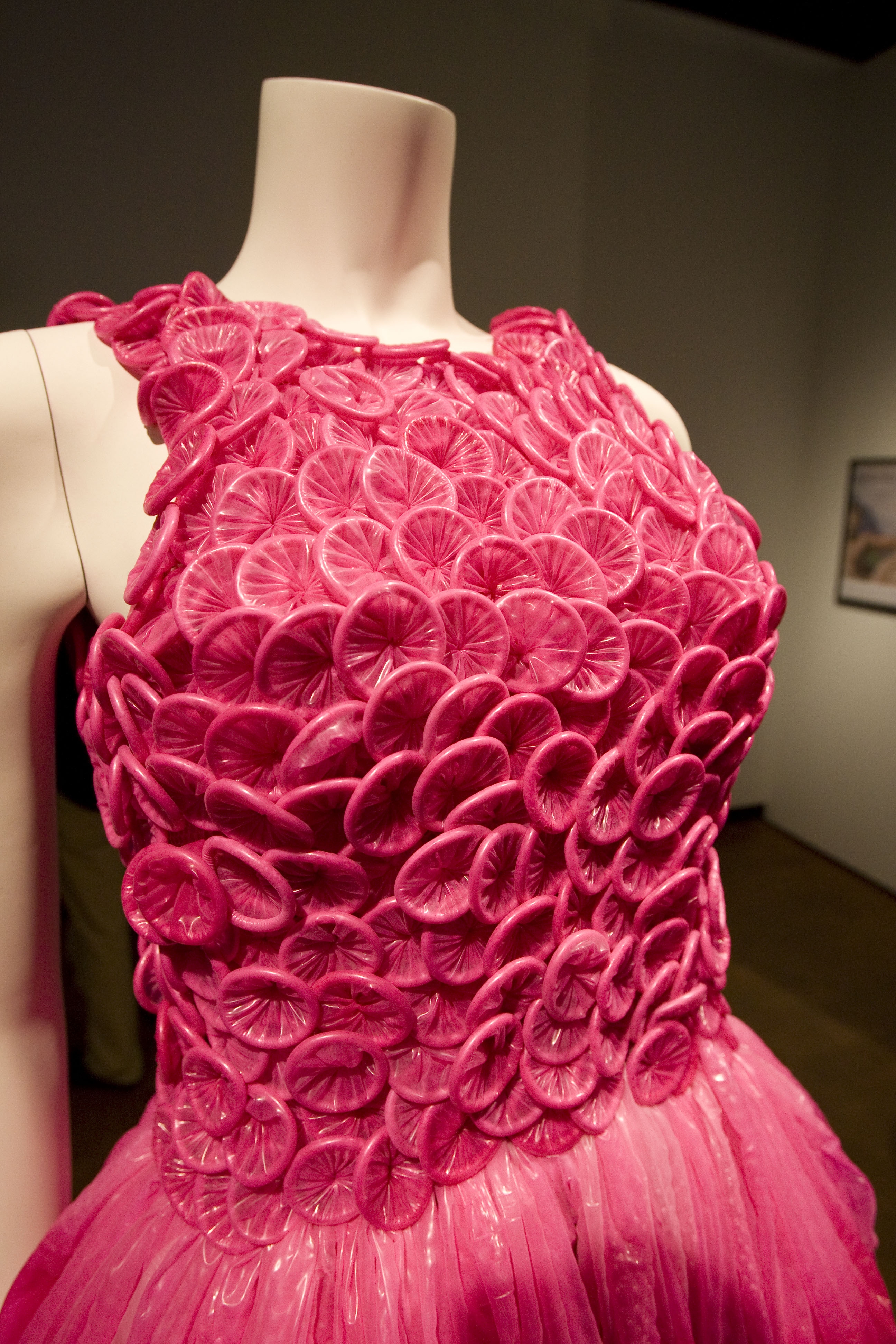
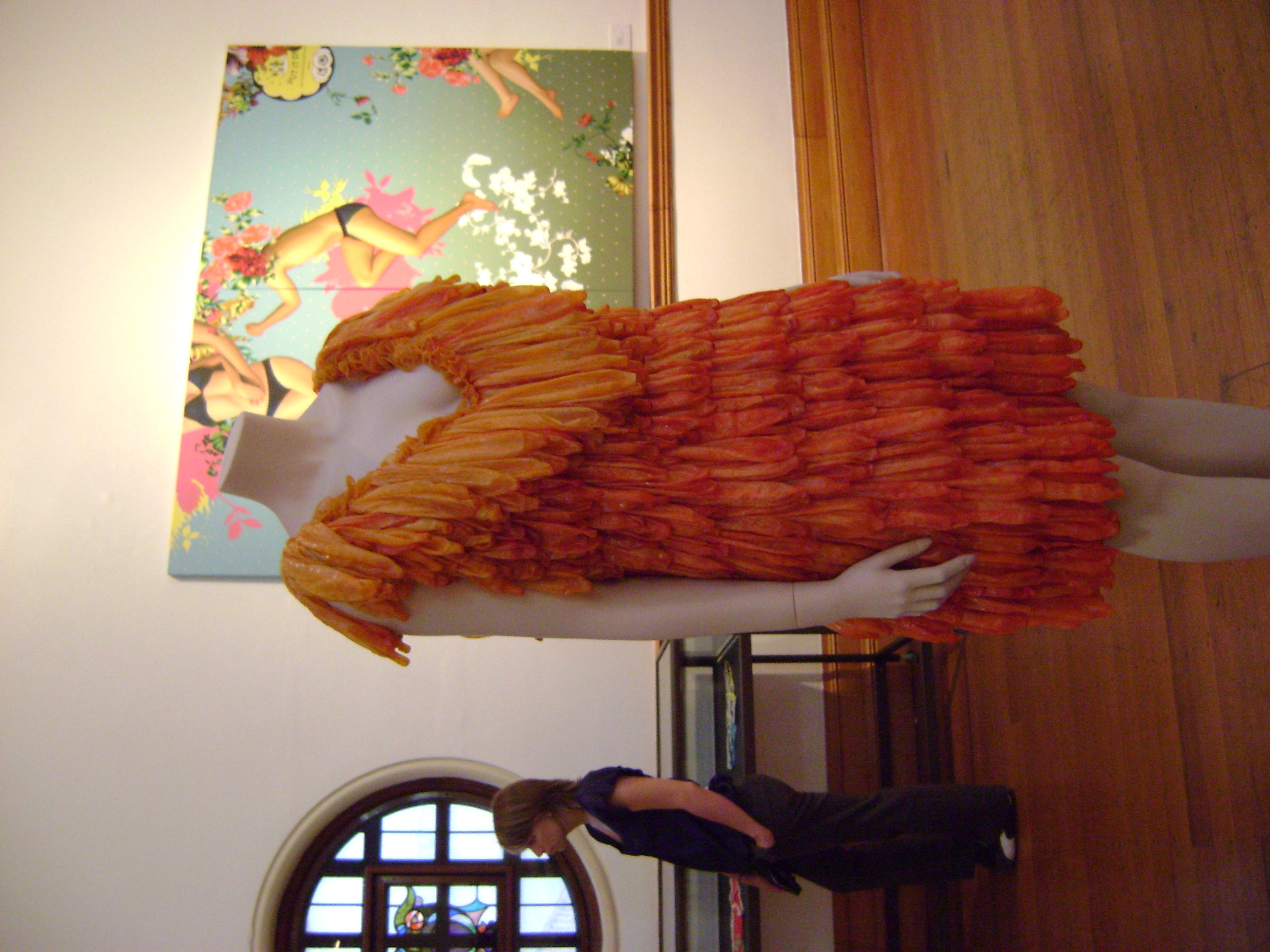
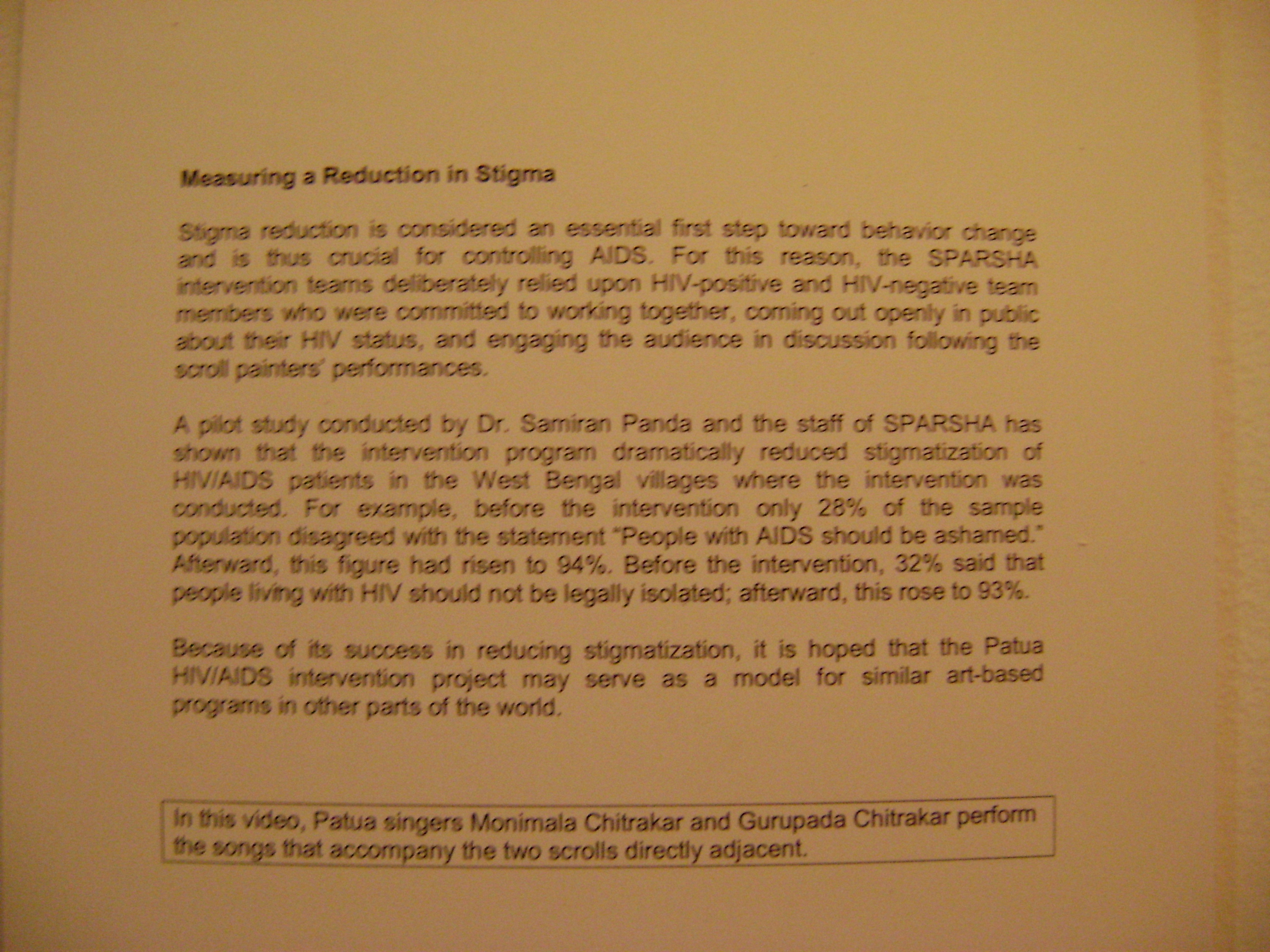
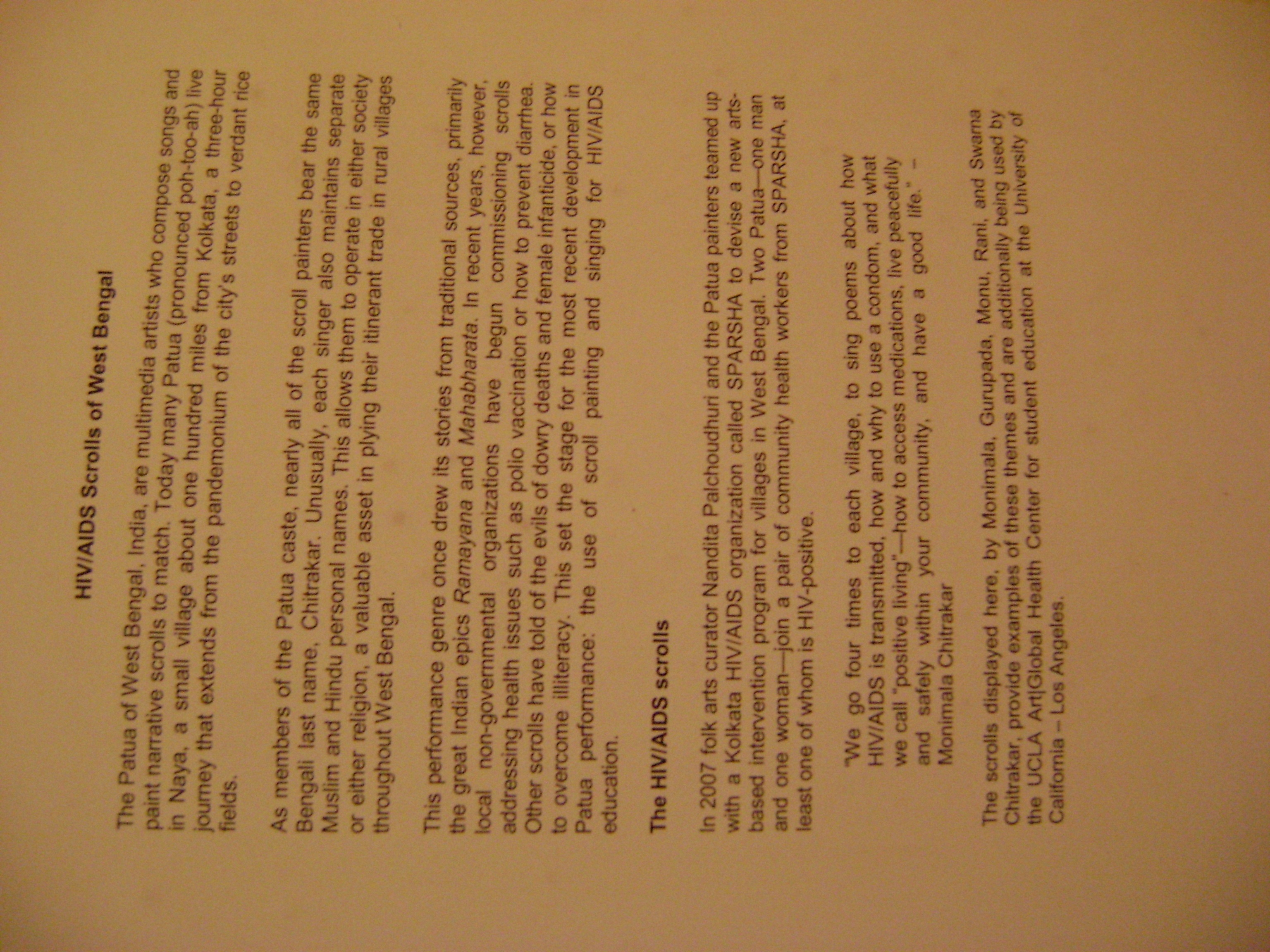
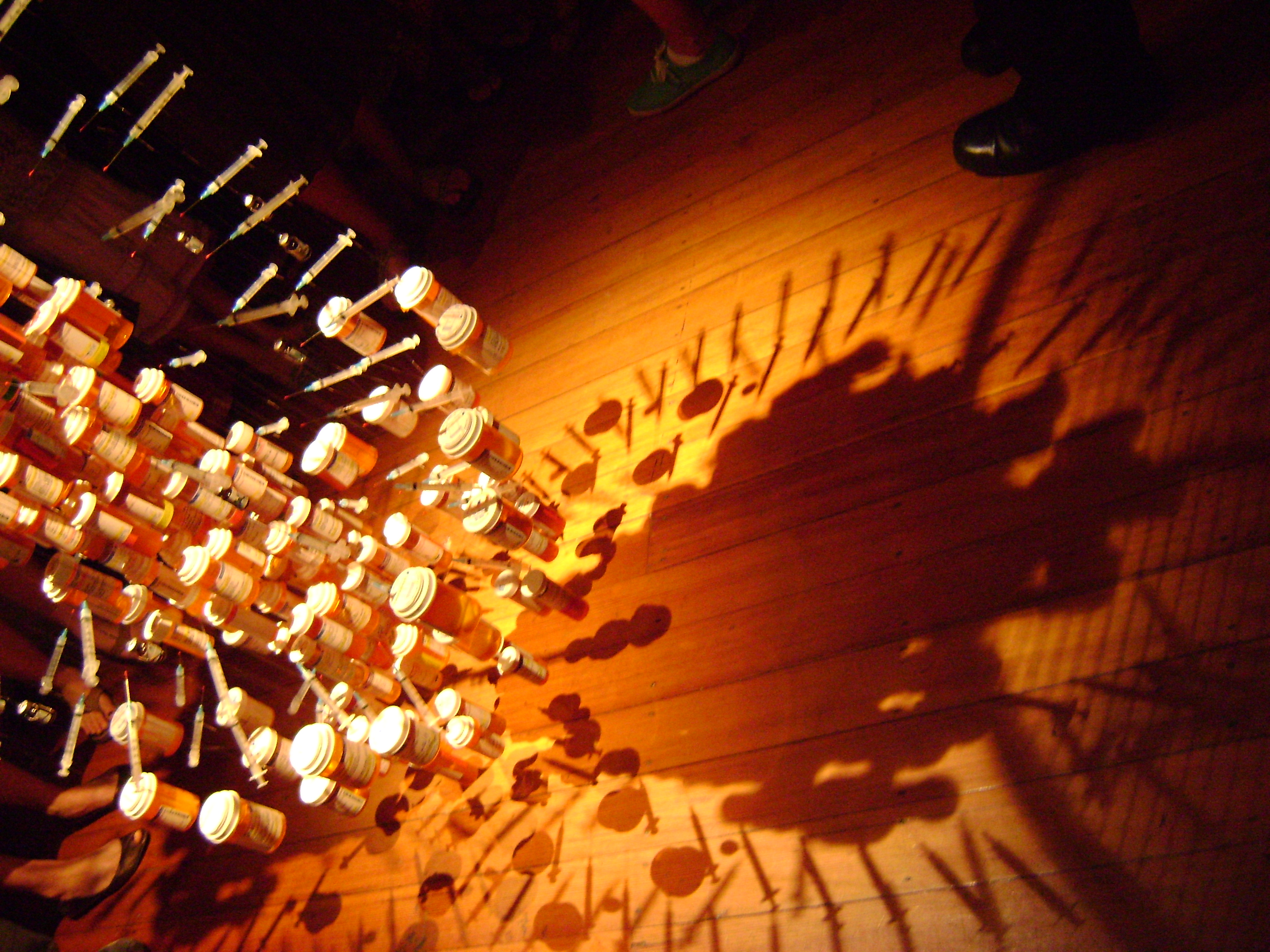
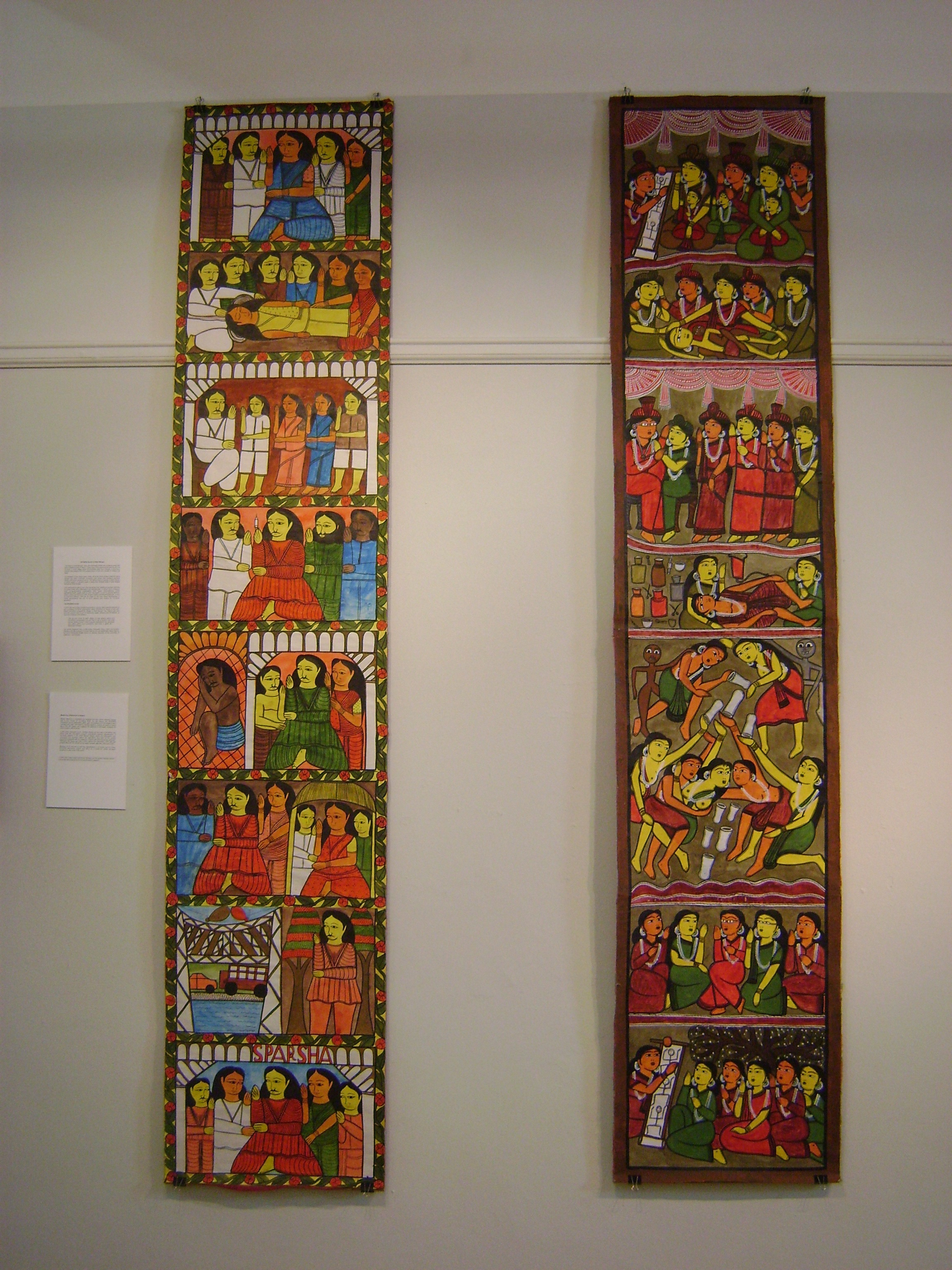
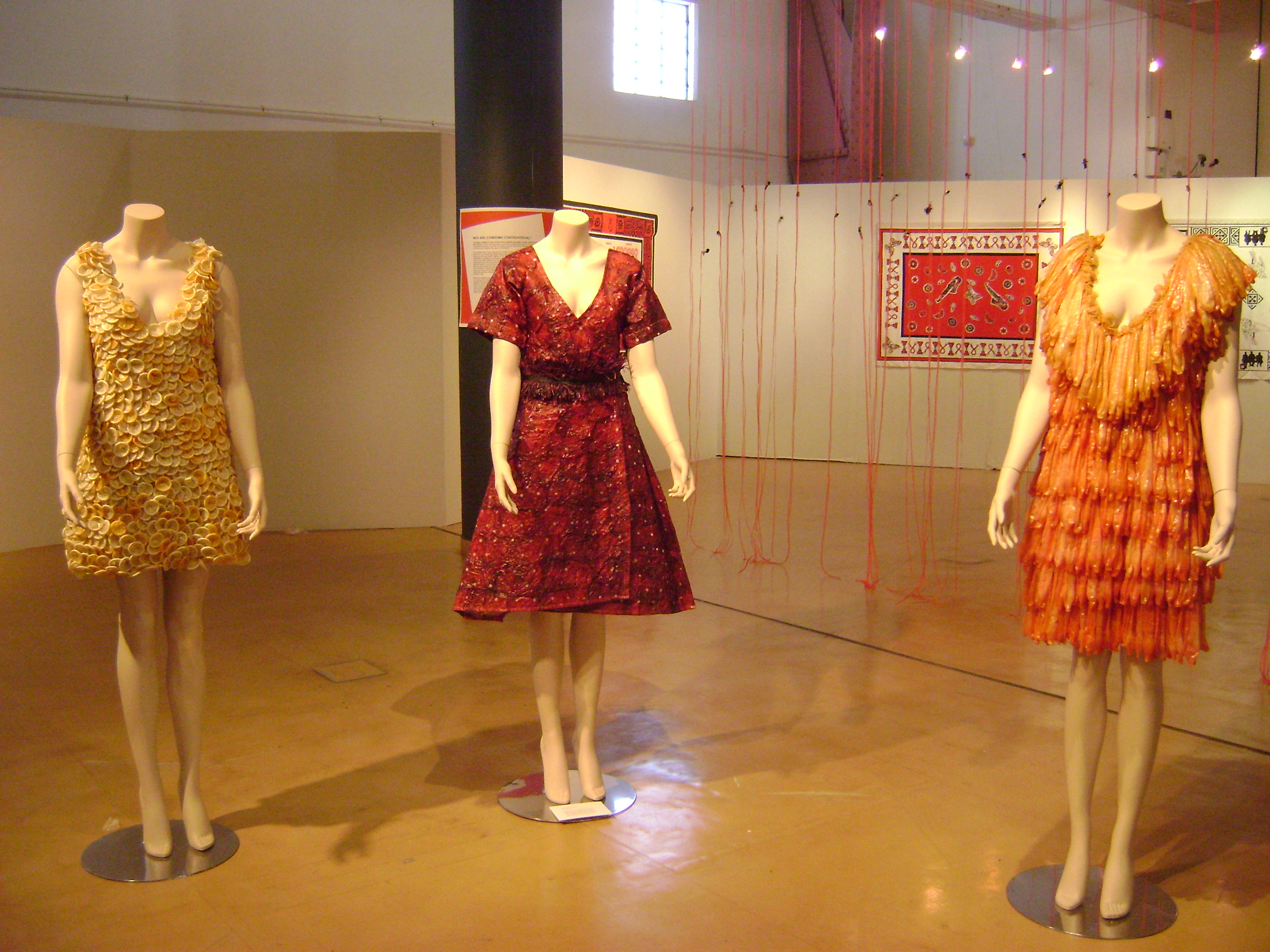
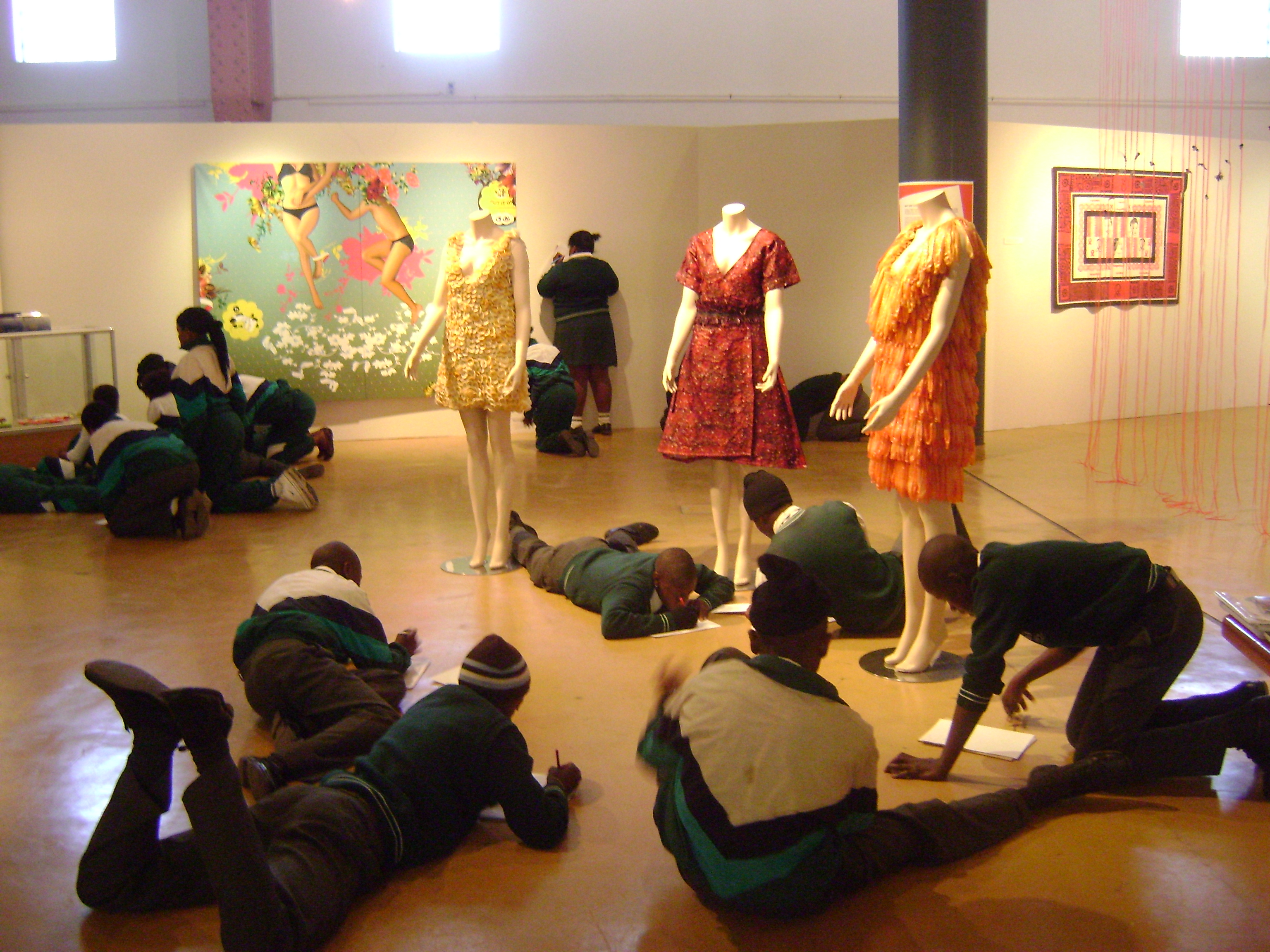
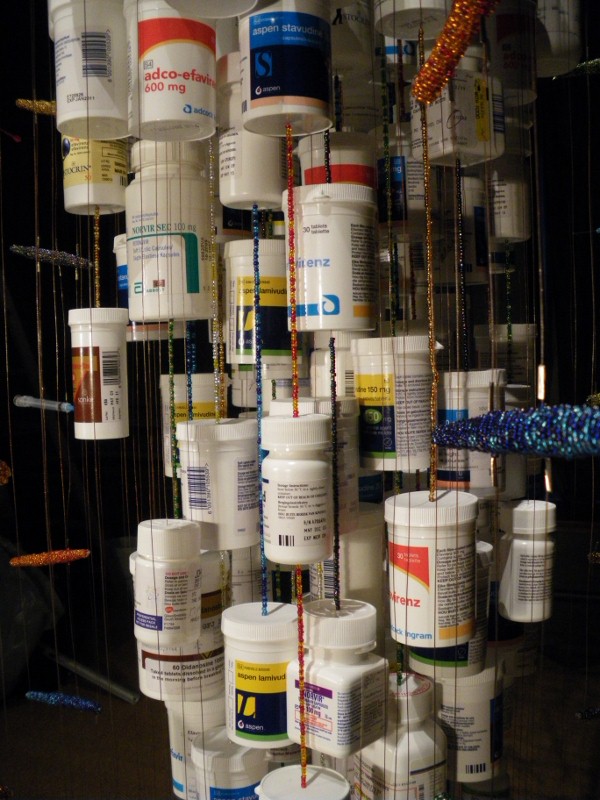
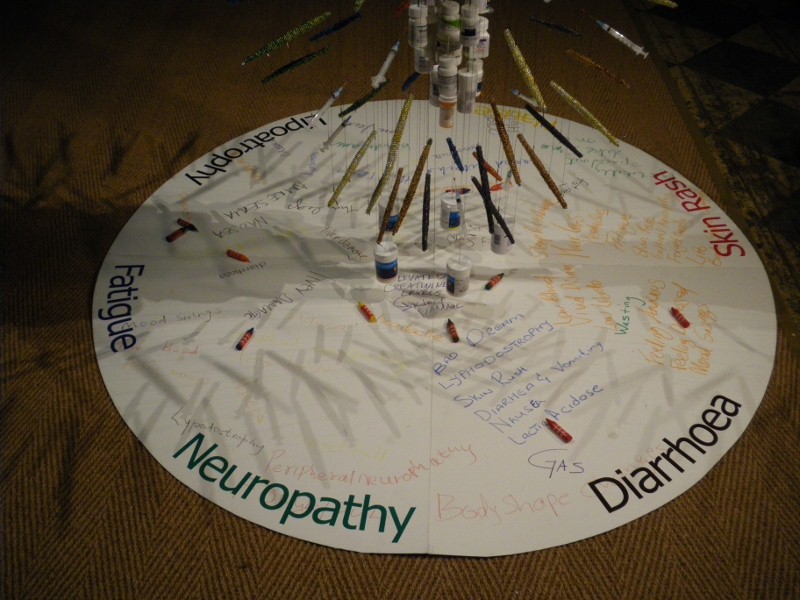
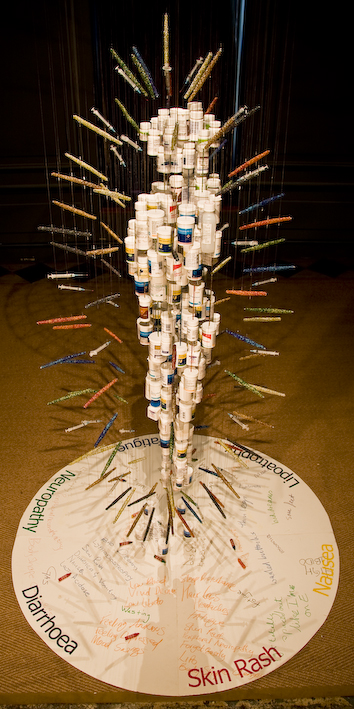
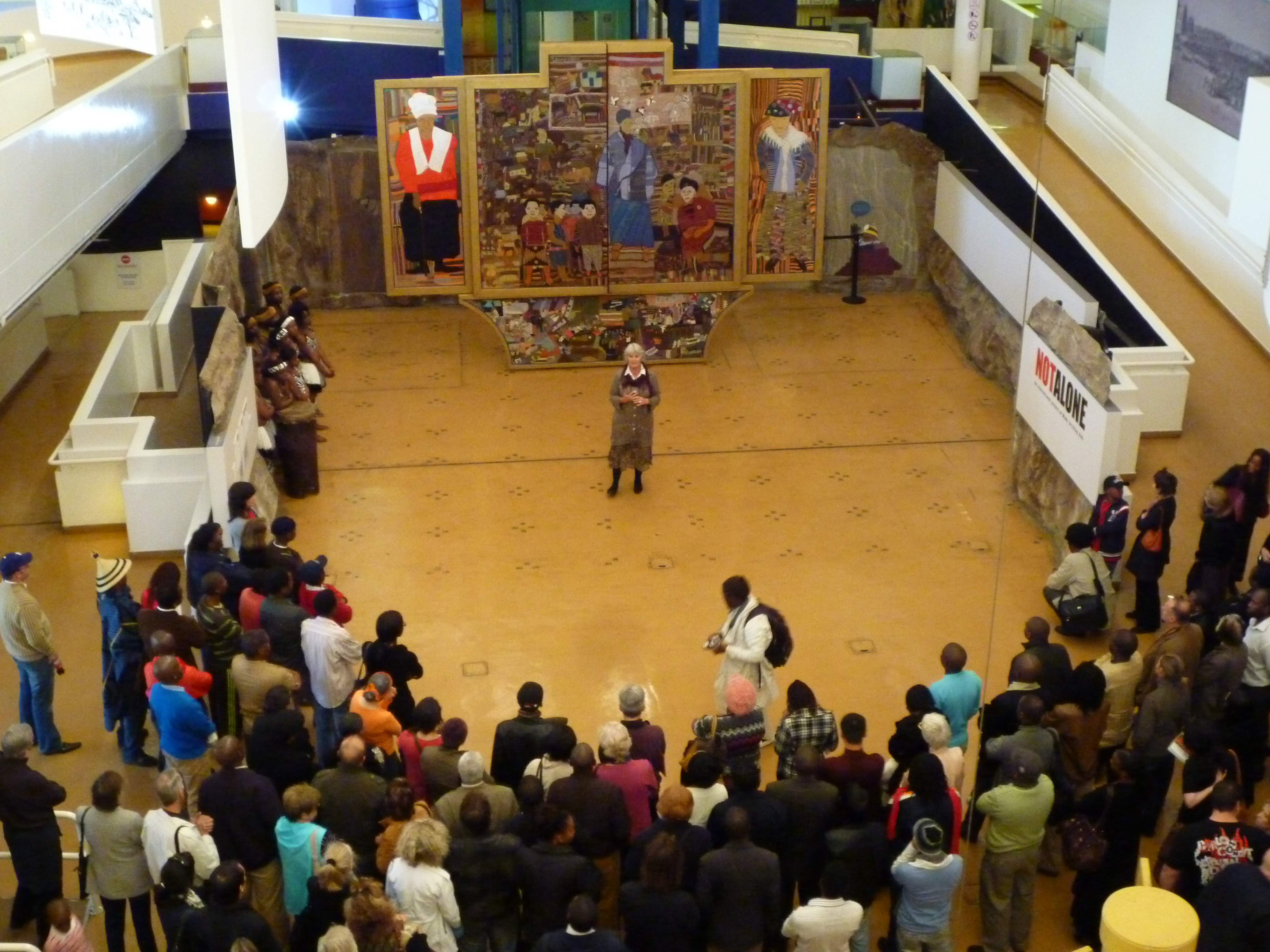
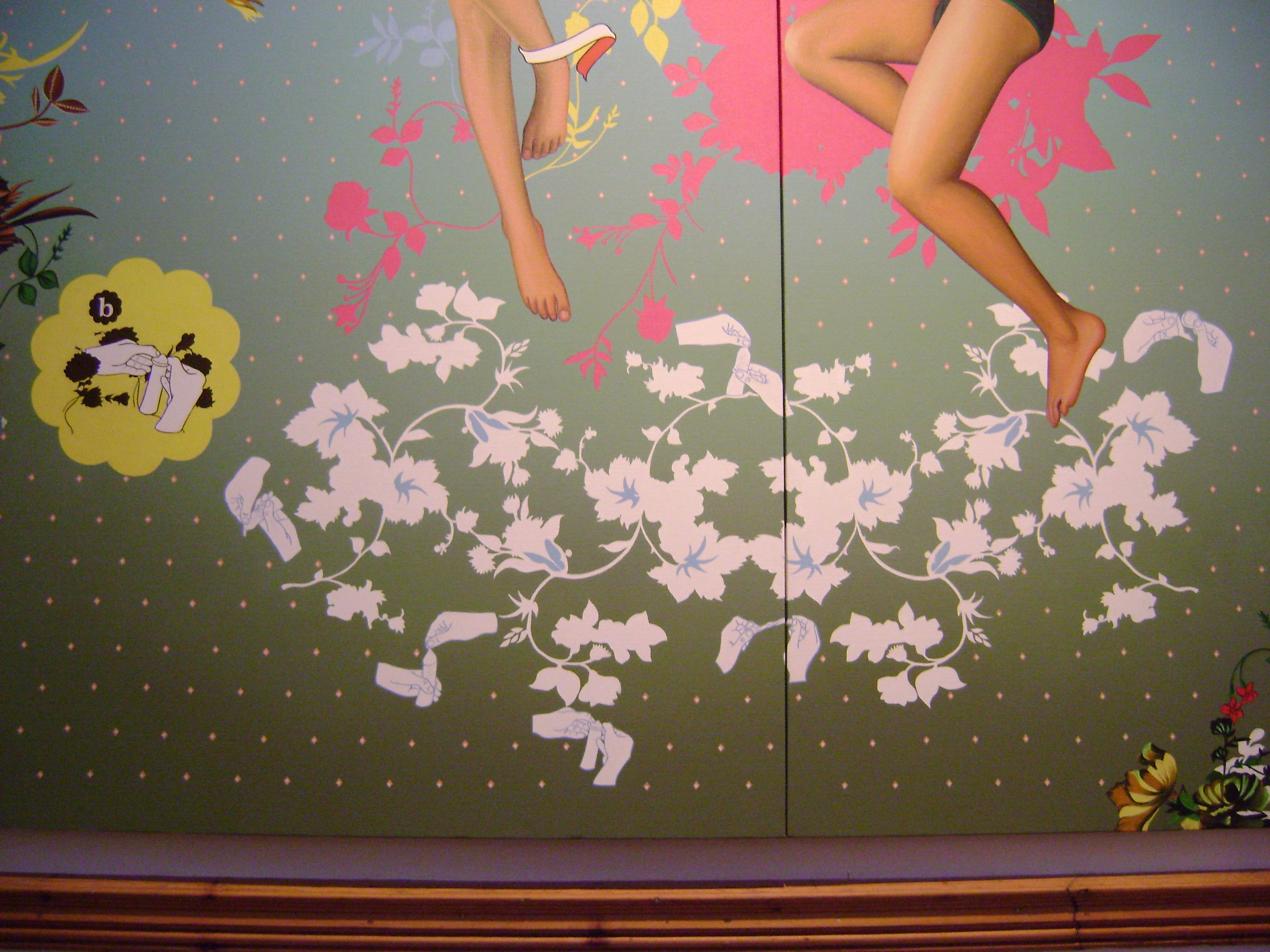
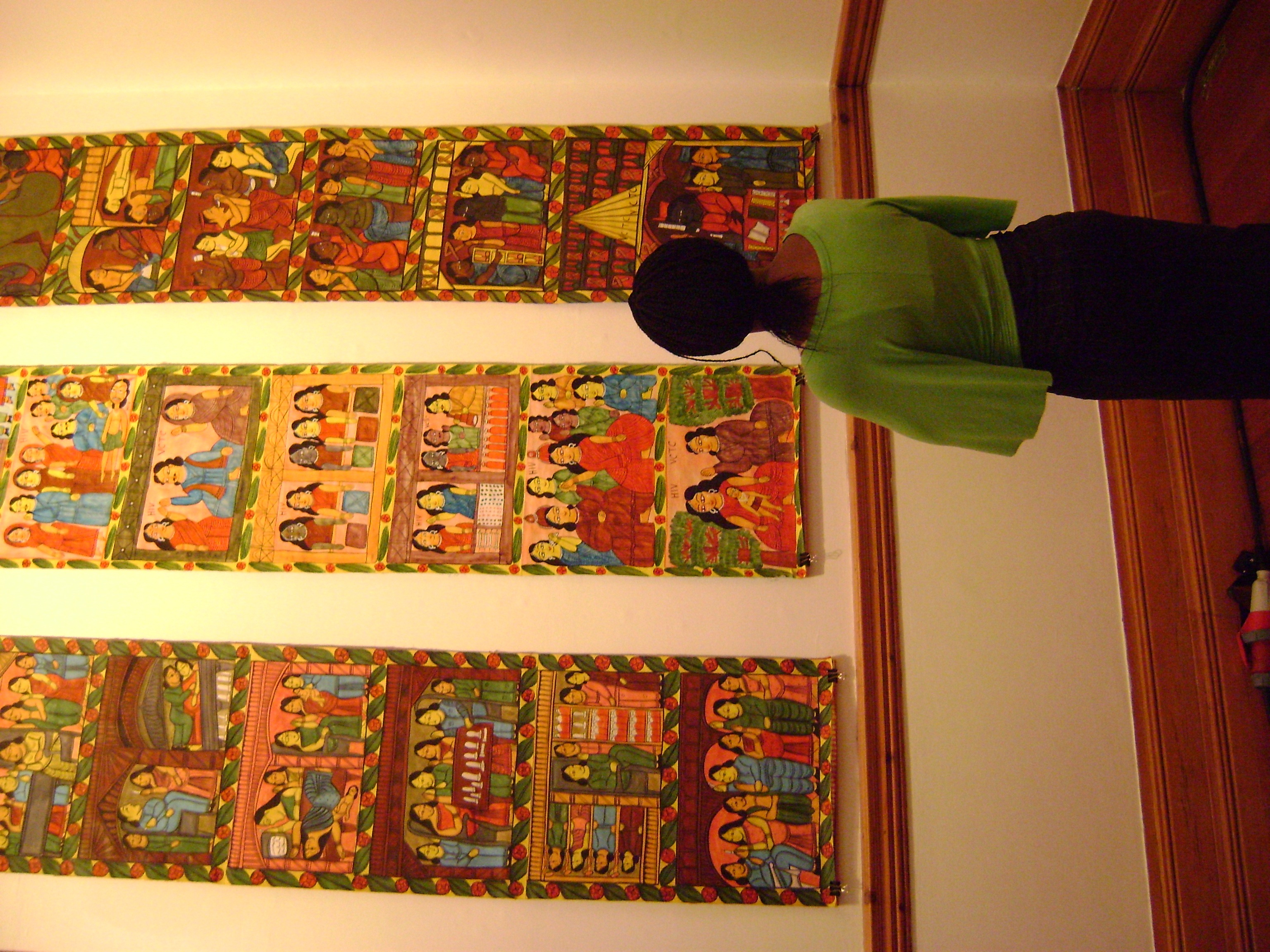
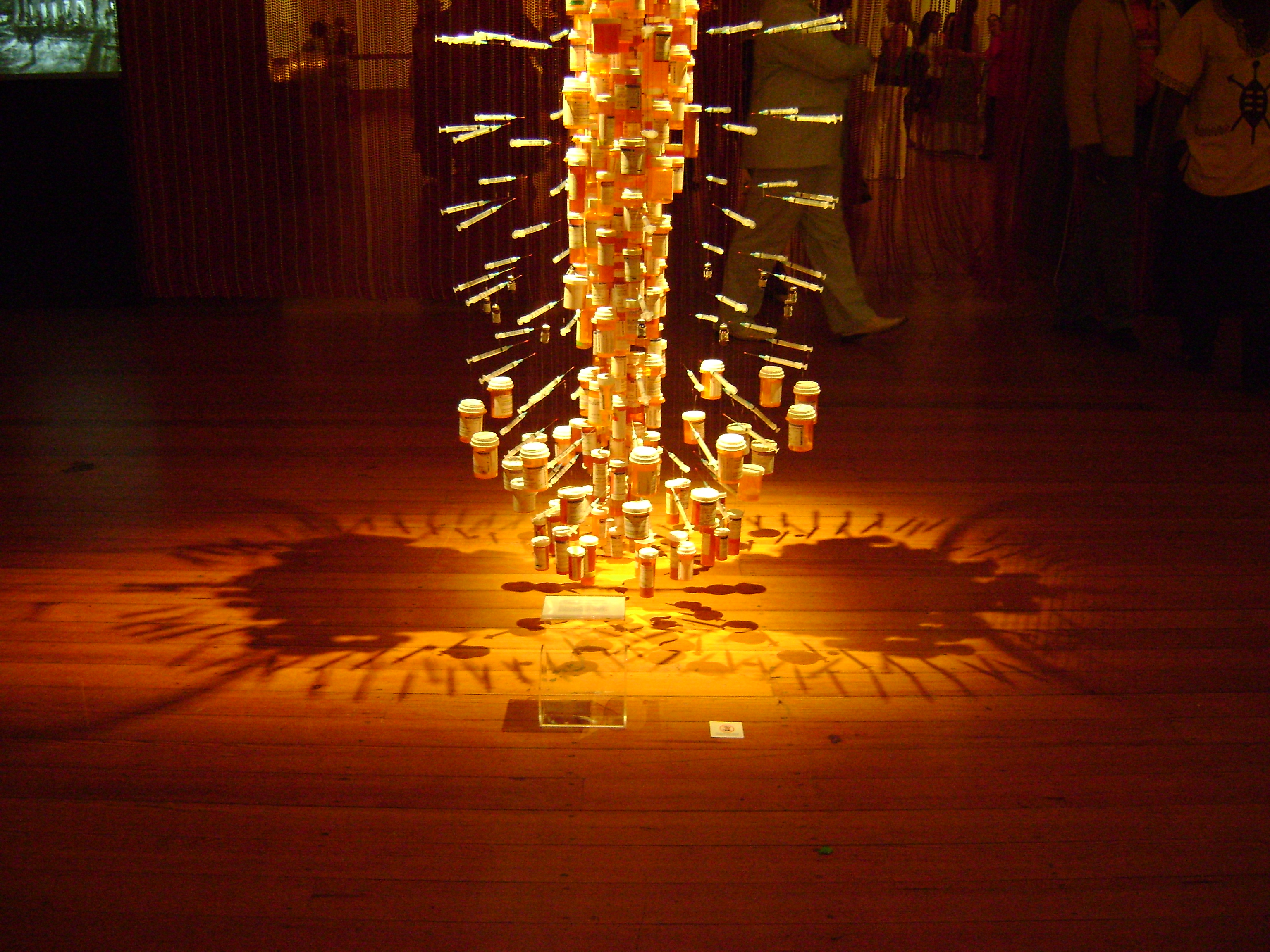
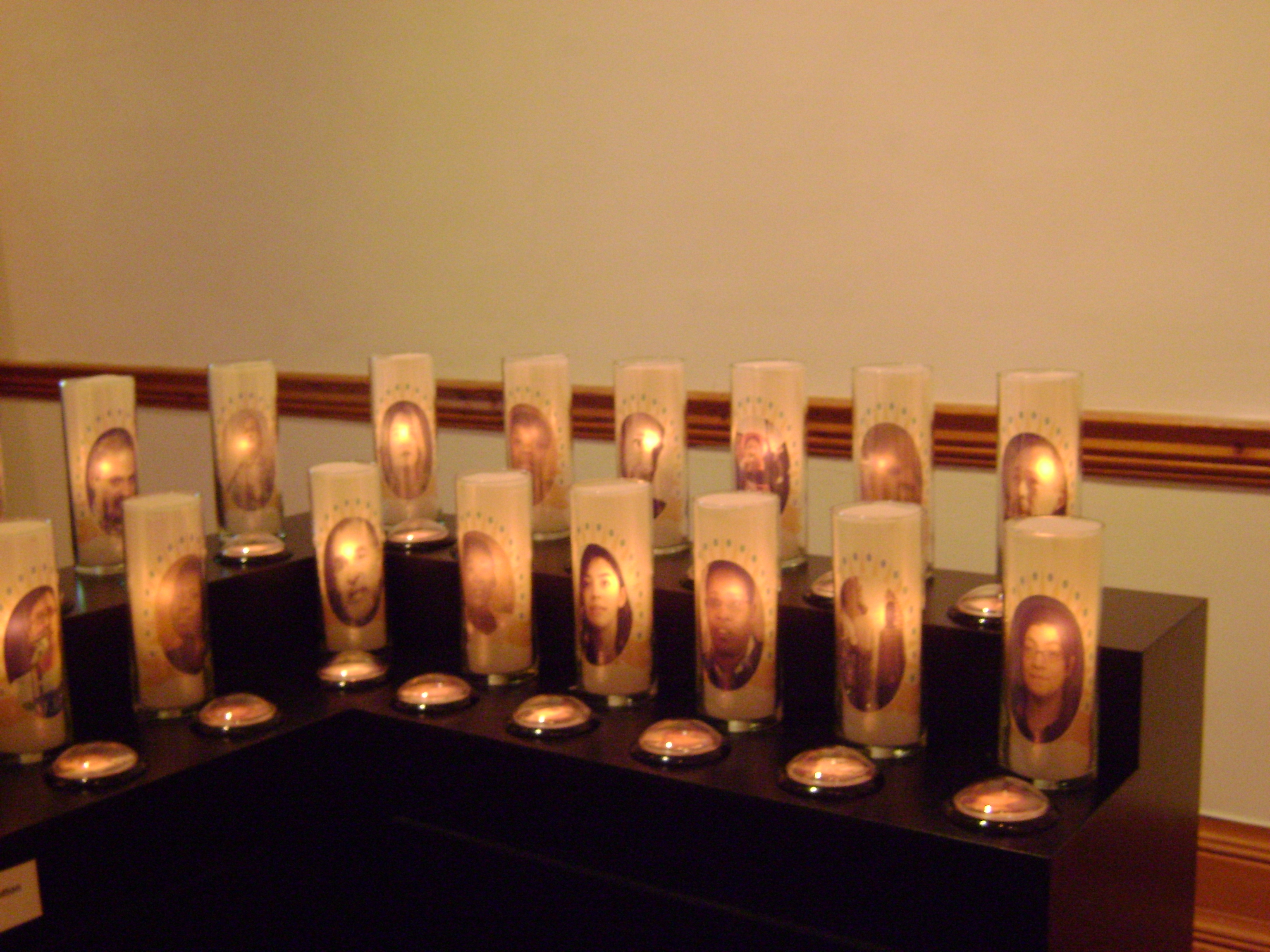
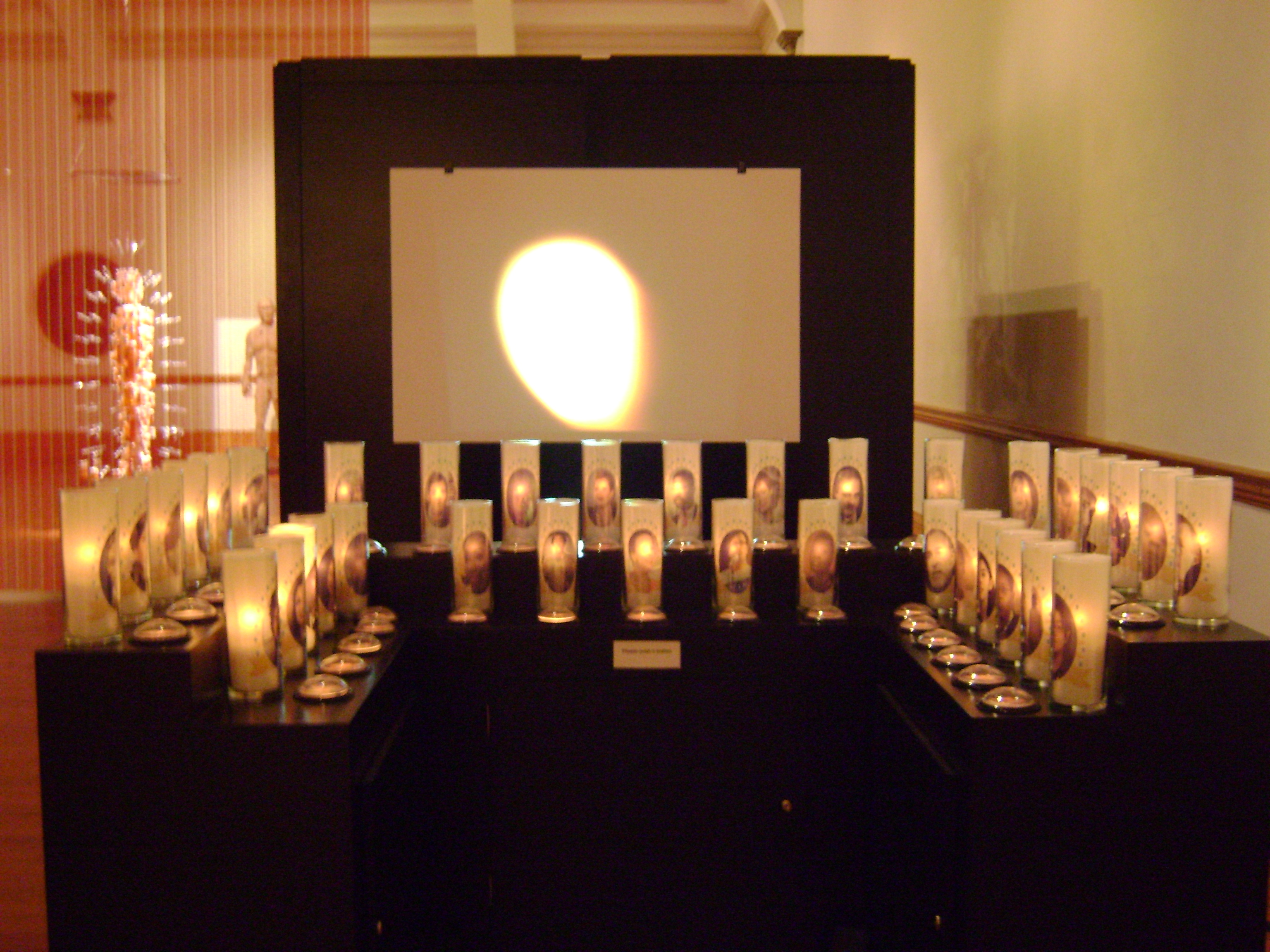
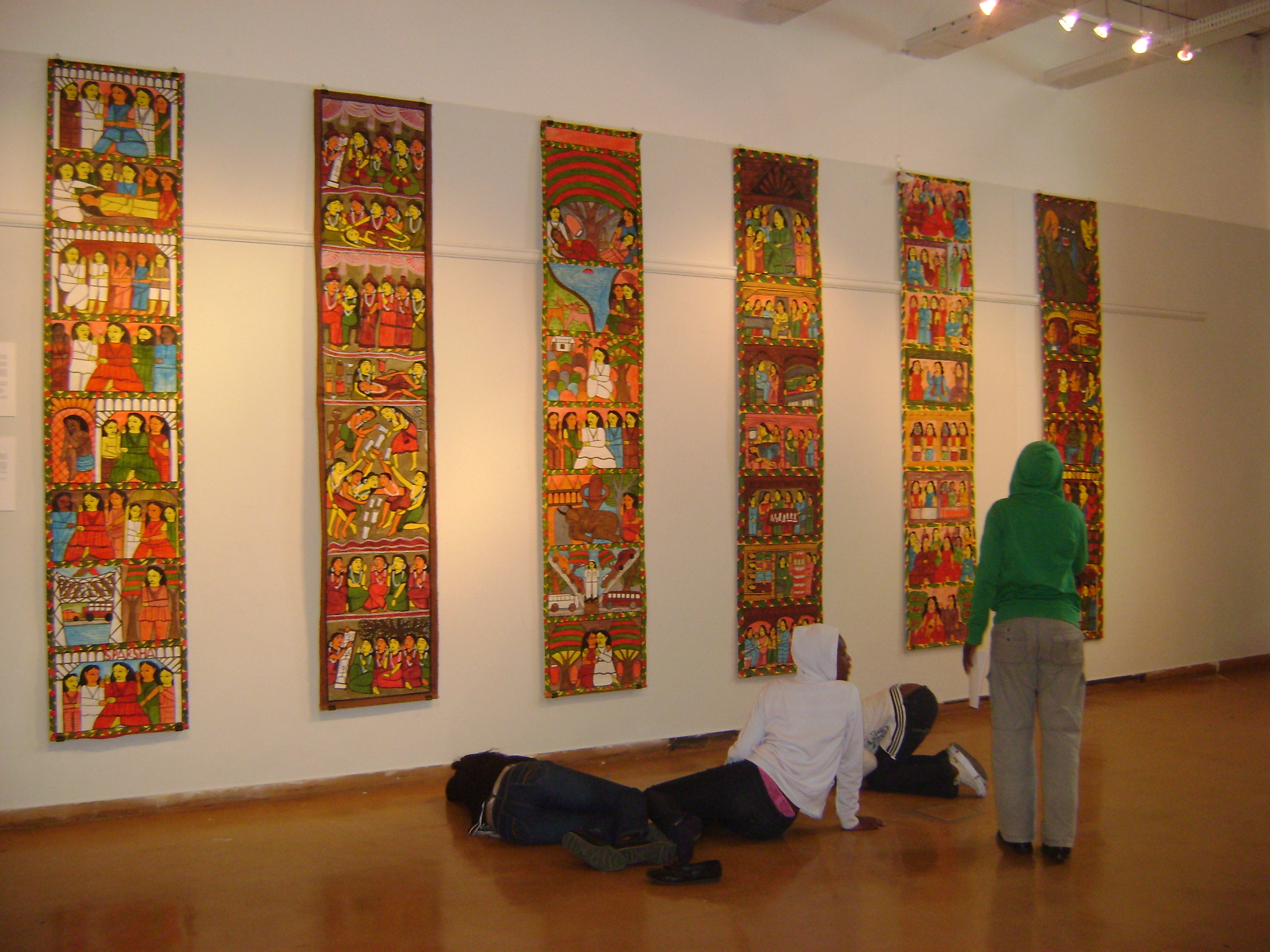
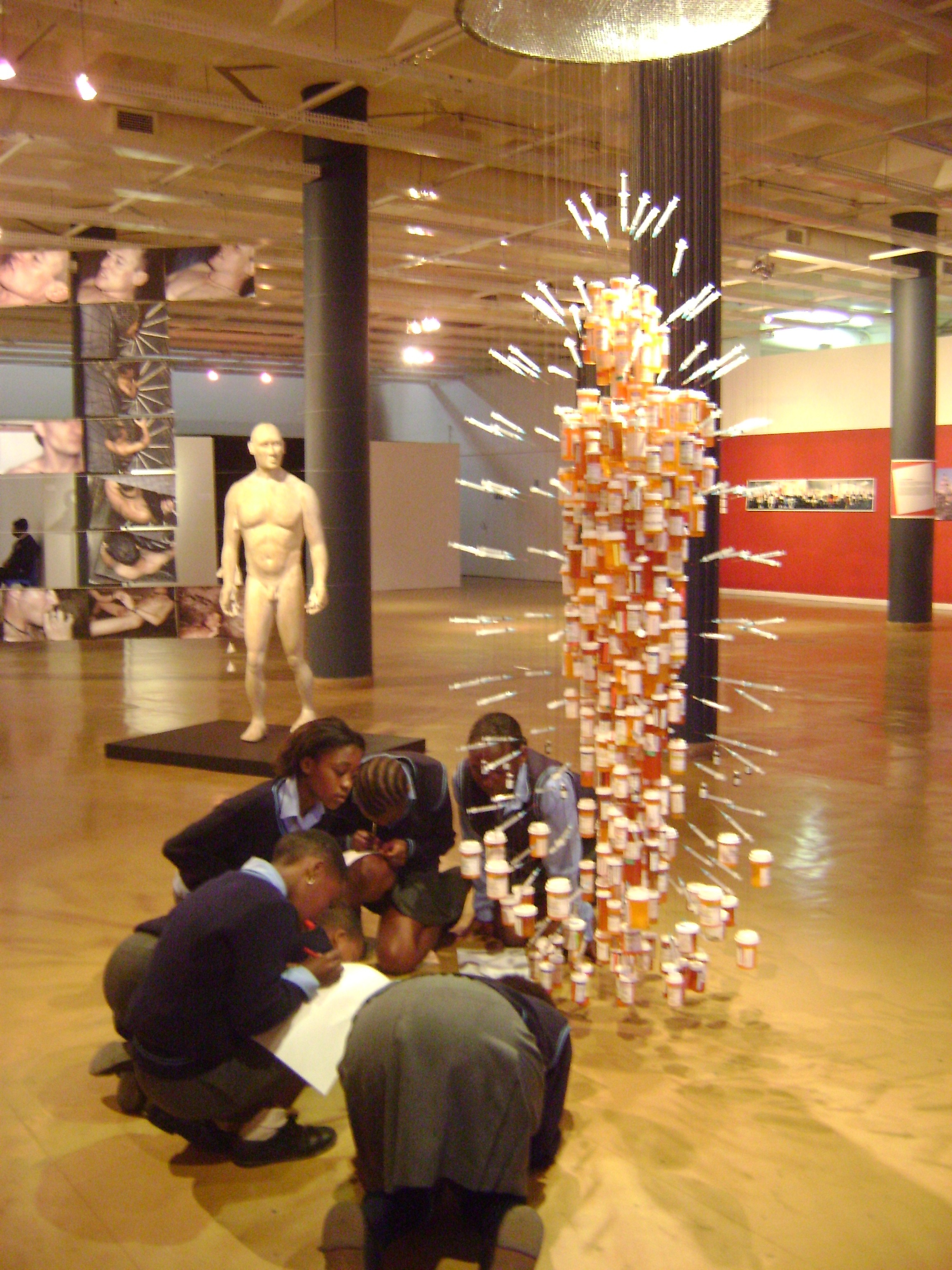
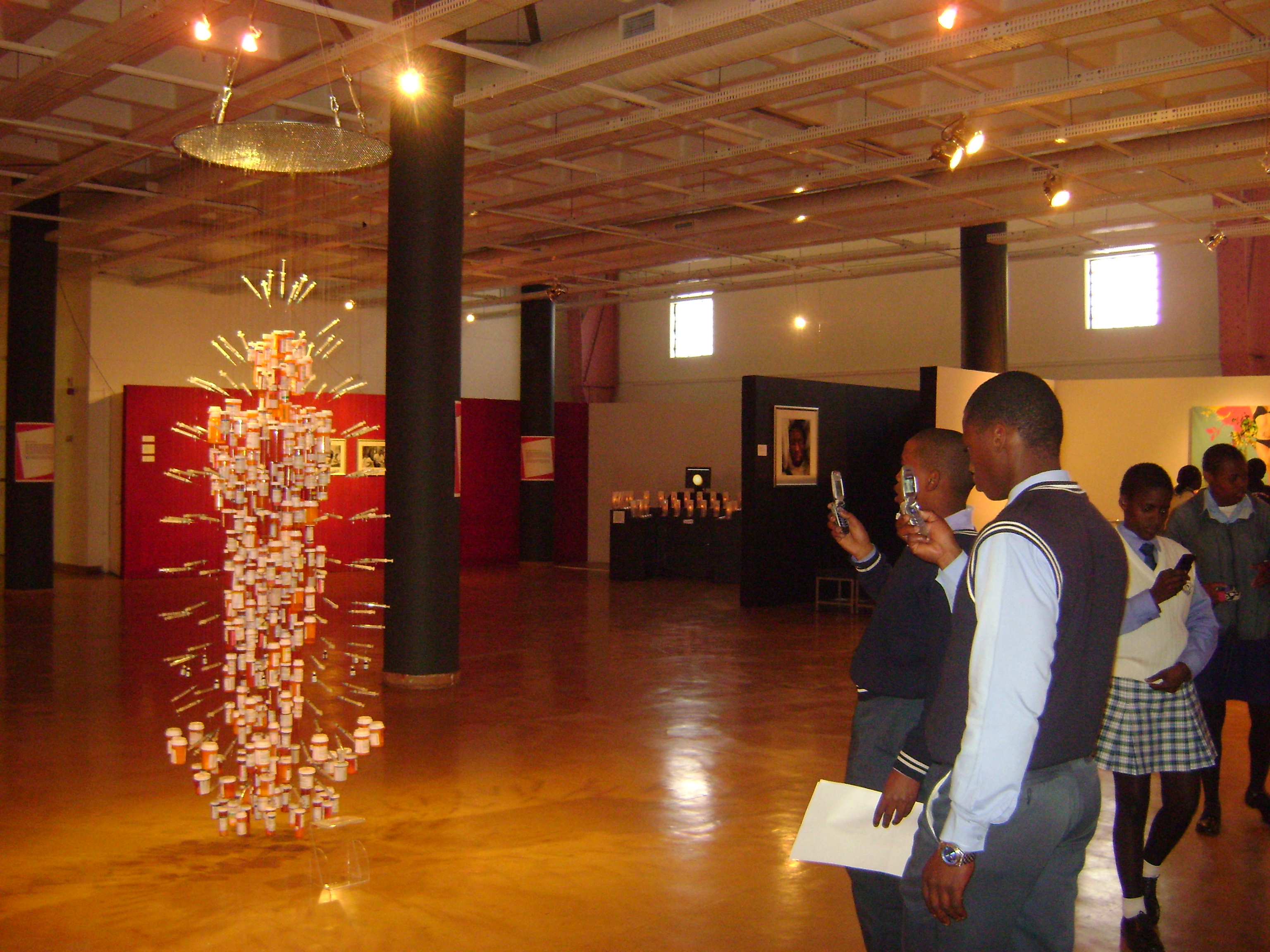
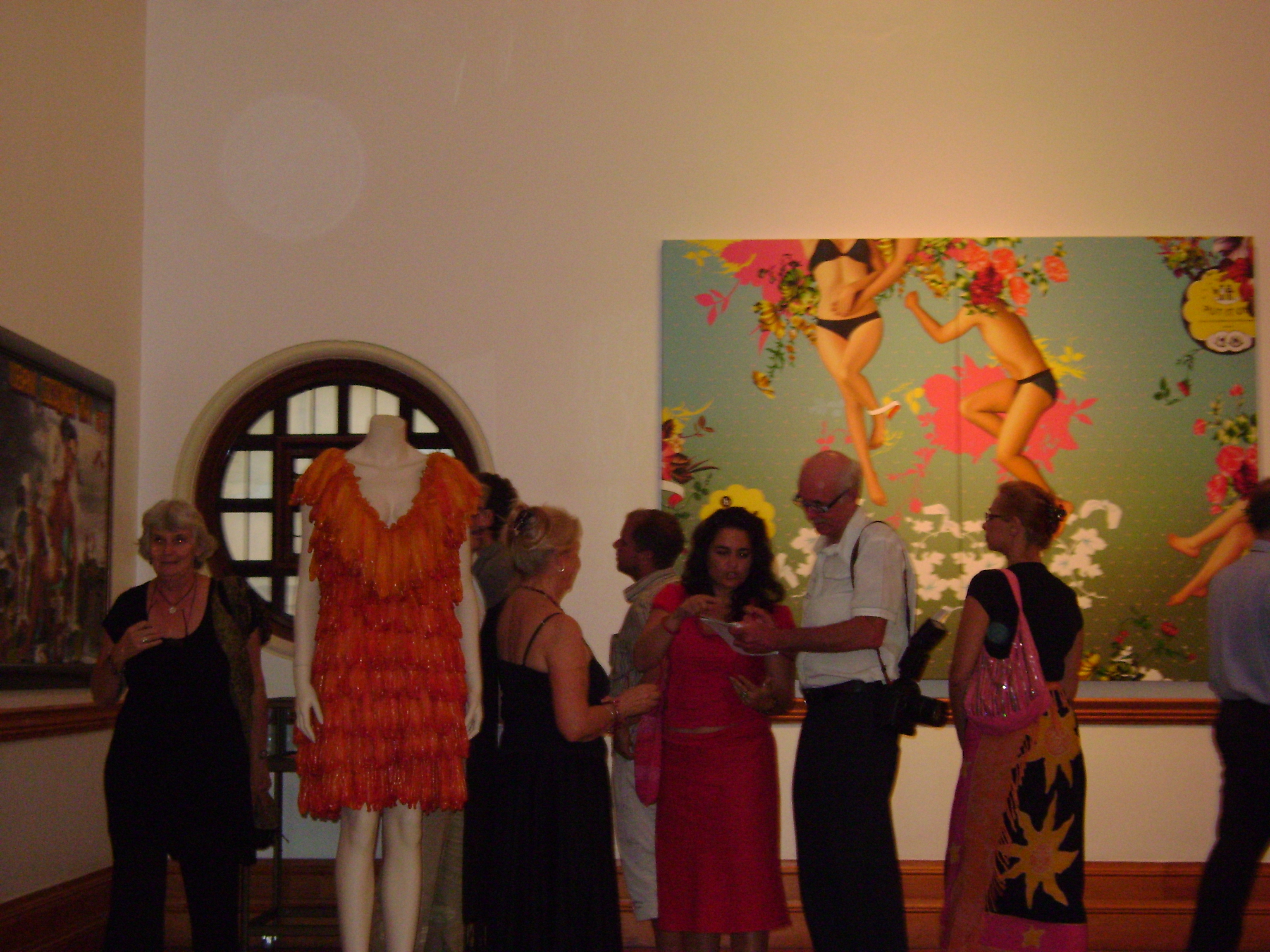
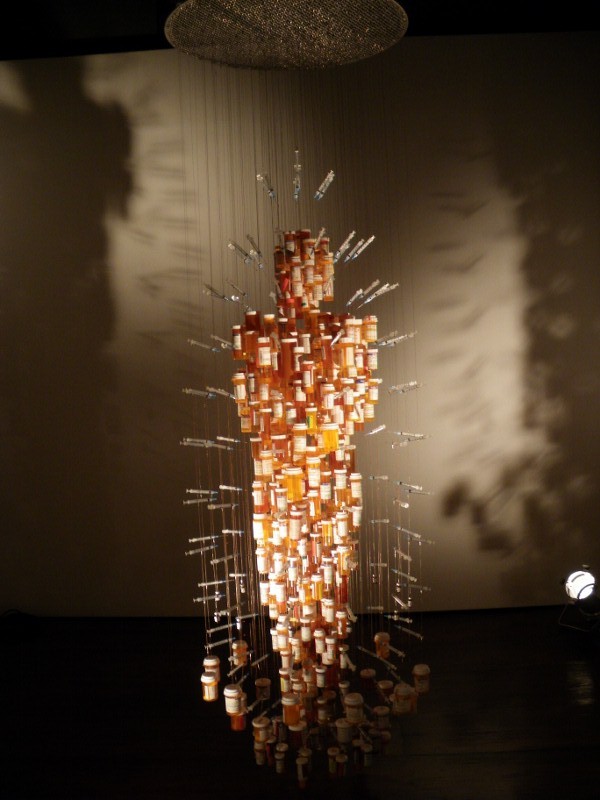
Featuring artists from India, Brazil, the United States, and southeastern Africa, Not Alone presented contemporary works in painting, sculpture, photography, performance video, digital media, and installation art. Notable works included Medicine Man, the iconic six-foot-tall mobile constructed from pill bottles by San Francisco artists Daniel Goldstein and John Kapellas; scroll paintings by artists in West Bengal, India, representing a community-wide response to stigma and fear; couture garments made entirely from factory-rejected condoms by Brazilian artist Adriana Bertini; and Gideon Mendel’s large-scale photographic print of 99 portraits documenting how residents of Lusikisiki, South Africa, restored their health through adherence to antiretroviral treatment.
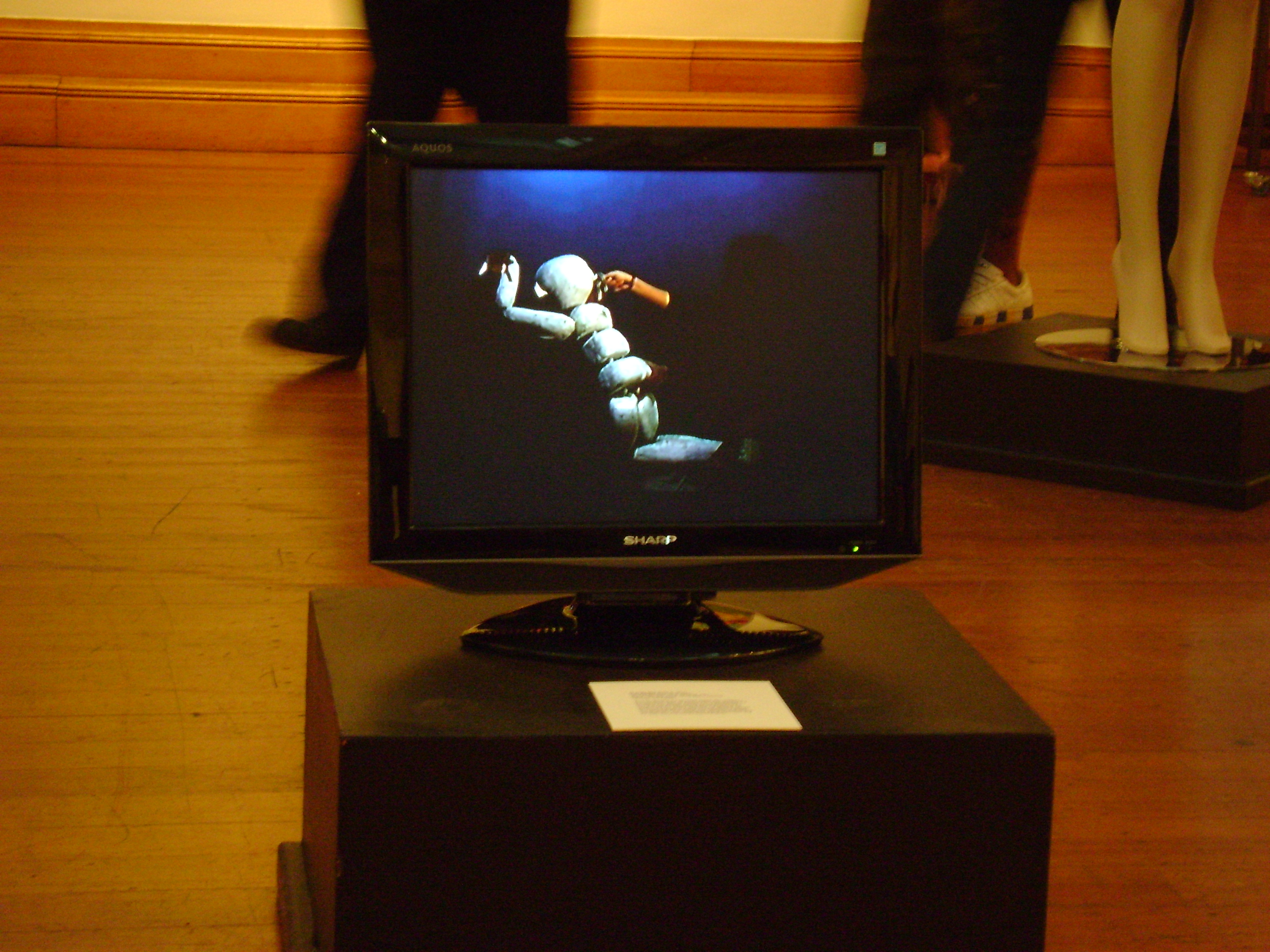
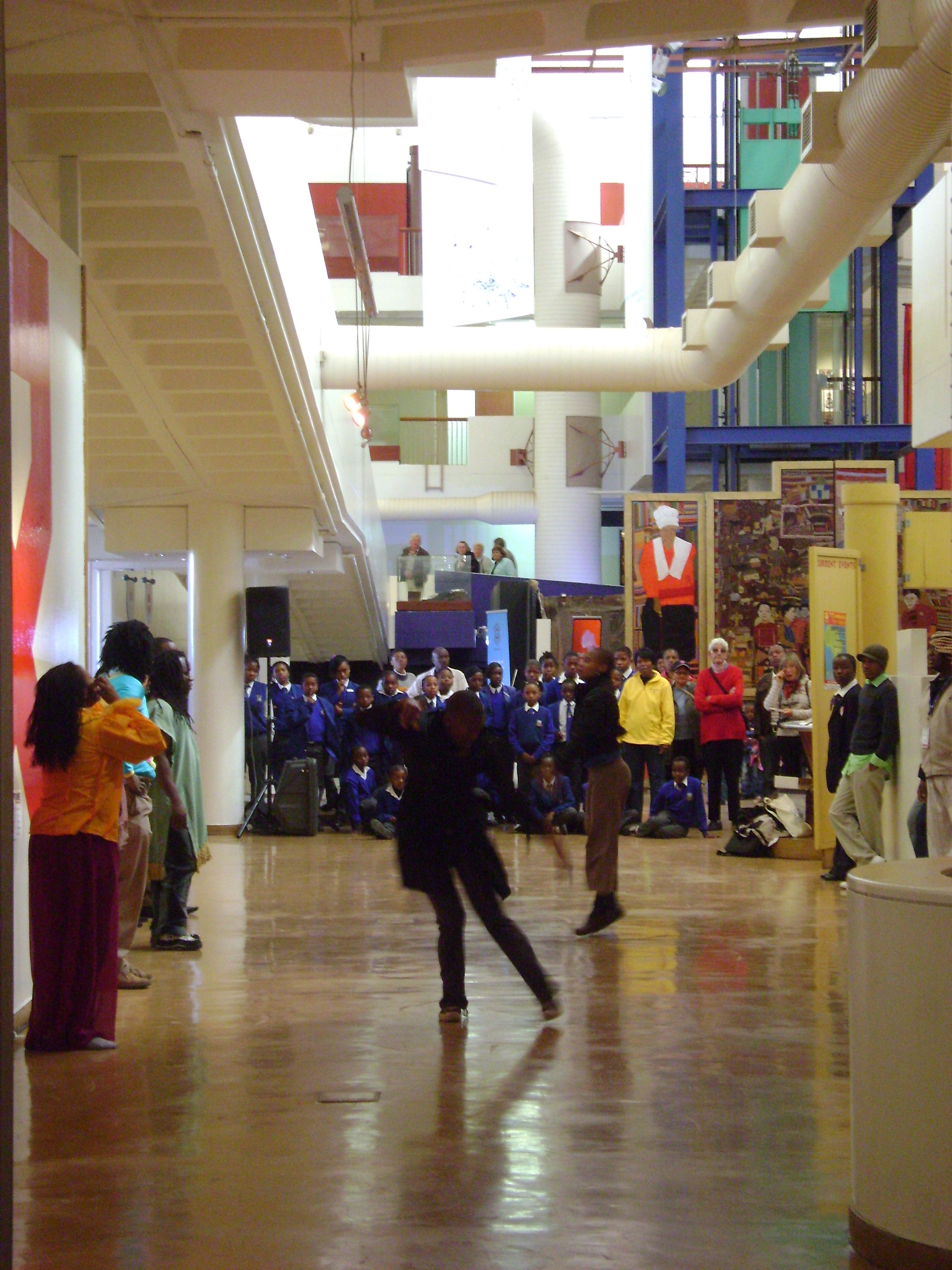
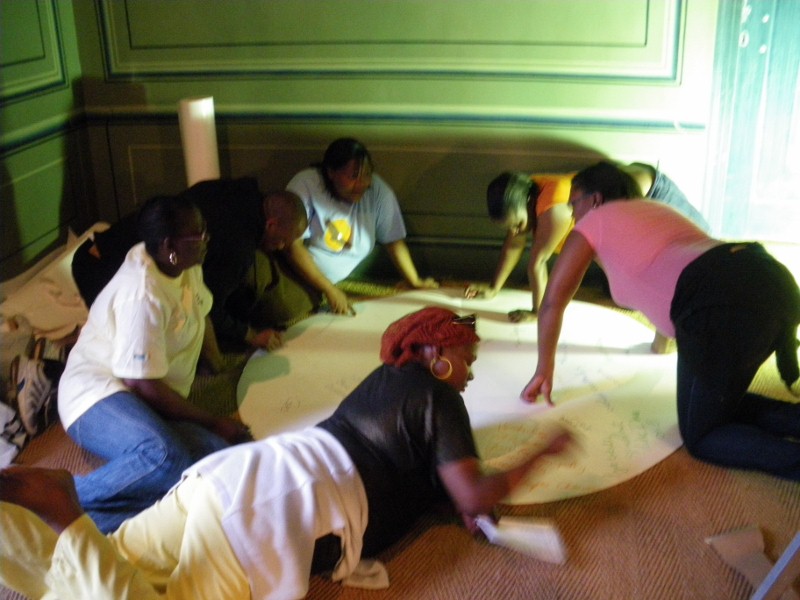
When the exhibition traveled to Johannesburg, it established an enduring collaboration with the Drama for Life program at the University of the Witwatersrand, which mounted theater events and workshops alongside the exhibition. Performance, dance, and installation works engaged directly with the museum space, where related workshops were also held.